
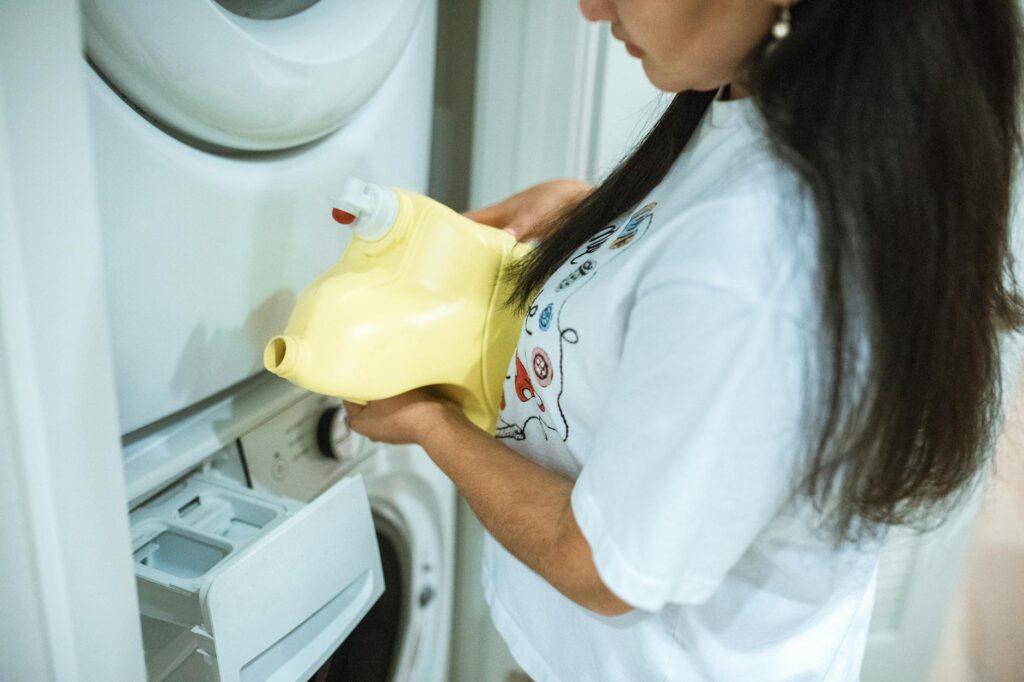
Smelly Laundry Detergent Kitchen Guide Part 1
Introduction
A fresh-smelling kitchen is essential for a pleasant home environment. However, if your kitchen smells like stale laundry detergent, it can be quite off-putting. This article provides practical solutions to help you tackle this common issue. By understanding the causes and implementing effective cleaning methods, you can restore freshness to your kitchen.
What Causes Kitchen Smells?
The smell of laundry detergent in your kitchen can stem from several sources:
1. Residual Detergent: Leftover detergent from washing kitchen linens can linger in the air.
2. Clogged Drains: Food particles and grease can accumulate, creating unpleasant odors.
3. Mold and Mildew: Damp areas in the kitchen, such as under sinks or behind appliances, can harbor mold.
4. Trash Bins: Old food waste in trash bins can produce foul smells that resemble strong detergents.
5. Dirty Sponges and Cloths: Used cleaning materials can emit a musty scent if not cleaned regularly.
Why This Problem Happens
Understanding why your kitchen may smell like laundry detergent is crucial for effective cleaning. Here are some common reasons:
- Improper Rinsing: If kitchen linens aren’t rinsed thoroughly, detergent residues can remain.
- Humidity: High humidity can lead to mold growth, exacerbating odors.
- Neglected Cleaning: Failing to clean surfaces, sponges, and trash cans regularly can lead to odor buildup.
- Poor Ventilation: A lack of airflow can trap smells in your kitchen, making the problem worse.
- Vinegar and Baking Soda: These natural cleaners are excellent for breaking down residues and neutralizing odors.
- Essential Oils: Adding a few drops of essential oils like lemon or lavender to your cleaning solutions can enhance the freshness.
- Commercial Cleaners: Use odor-eliminating sprays specifically designed for kitchens if natural solutions don’t work.
How to Fix Kitchen Smells (Step-by-Step)
Step 1: Identify the Source
Start by identifying the source of the smell. Check your linens, trash bins, and any damp areas in your kitchen.
Step 2: Clean Kitchen Linens
1. Wash Linens: Wash towels, cloths, and aprons with hot water and a cup of white vinegar to eliminate detergent residues.
2. Dry Thoroughly: Ensure all linens are completely dry before storing them, as dampness can trap odors.
Step 3: Clean Drains
1. Clear Clogs: Remove any visible debris from the drain.
2. Flush with Hot Water: Pour boiling water down the drain to help dissolve any buildup.
3. Use Baking Soda and Vinegar: Add half a cup of baking soda followed by half a cup of vinegar. Let it sit for 15 minutes, then flush with hot water.
Step 4: Deodorize Trash Bins
1. Empty the Bin: Remove all waste and clean the bin with hot, soapy water.
2. Use Baking Soda: Sprinkle baking soda at the bottom of the bin to absorb odors.
3. Replace Liners: Ensure you use fresh liners to prevent the smell from returning.
Step 5: Address Mold and Mildew
1. Identify Affected Areas: Check under sinks and behind appliances.
2. Use a Mold Cleaner: Apply a mold and mildew cleaner or a mixture of water and vinegar.
3. Scrub and Dry: Scrub the affected areas and ensure they are completely dry afterward.
Step 6: Improve Ventilation
1. Open Windows: Allow fresh air to circulate.
2. Use Exhaust Fans: Turn on kitchen exhaust fans while cooking to eliminate odors.
Best Cleaning Methods
To effectively eliminate smelly laundry detergent odors, consider the following methods:
Common Mistakes to Avoid
1. Ignoring the Source: Simply masking the smell without addressing the root cause will result in recurring odors.
2. Overusing Detergent: Using too much laundry detergent can lead to residue buildup in linens.
3. Not Cleaning Appliances: Failing to clean behind and beneath appliances can allow odors to linger unnoticed.
4. Neglecting Regular Maintenance: Regular cleaning and maintenance are essential to prevent odors from developing.
Prevention Tips
1. Rinse Thoroughly: Always rinse kitchen linens completely after washing.
2. Store Linens Properly: Ensure that all linens are completely dry before storing them in a well-ventilated area.
3. Regularly Clean Drains: Make cleaning your kitchen drains a monthly routine to prevent buildup.
4. Maintain Trash Hygiene: Empty trash bins regularly and clean them frequently.
5. Use Deodorizers: Consider using natural deodorizers like activated charcoal or baking soda in your kitchen to absorb smells.
Frequently Asked Questions
1. What should I do if the smell persists after cleaning?
If the smell persists, recheck all areas for mold or dampness, and ensure that all linens and cleaning materials are fresh and clean.
2. Can I use bleach to eliminate odors?
While bleach can kill mold, it may not be the best option for everyday cleaning due to its harshness. Consider vinegar or baking soda as safer alternatives.
3. How often should I clean my kitchen to prevent odors?
Aim to clean your kitchen surfaces, drains, and linens at least once a week to keep odors at bay.
4. Is it safe to use essential oils in the kitchen?
Yes, essential oils can be a safe and effective way to add pleasant scents, but use them in moderation and ensure they don’t contact food.
5. Why does my kitchen smell worse after cleaning?
Improper rinsing of cleaning products or using strong-smelling cleaners can sometimes lead to worse odors. Always rinse surfaces thoroughly.
6. How can I improve ventilation in my kitchen?
Open windows, use exhaust fans, and consider installing additional vents if necessary to enhance airflow.
By following these steps and tips, you can effectively eliminate the smell of laundry detergent from your kitchen and ensure it remains a fresh, inviting space. Stay tuned for Part 2, where we will explore more advanced cleaning techniques and solutions!