
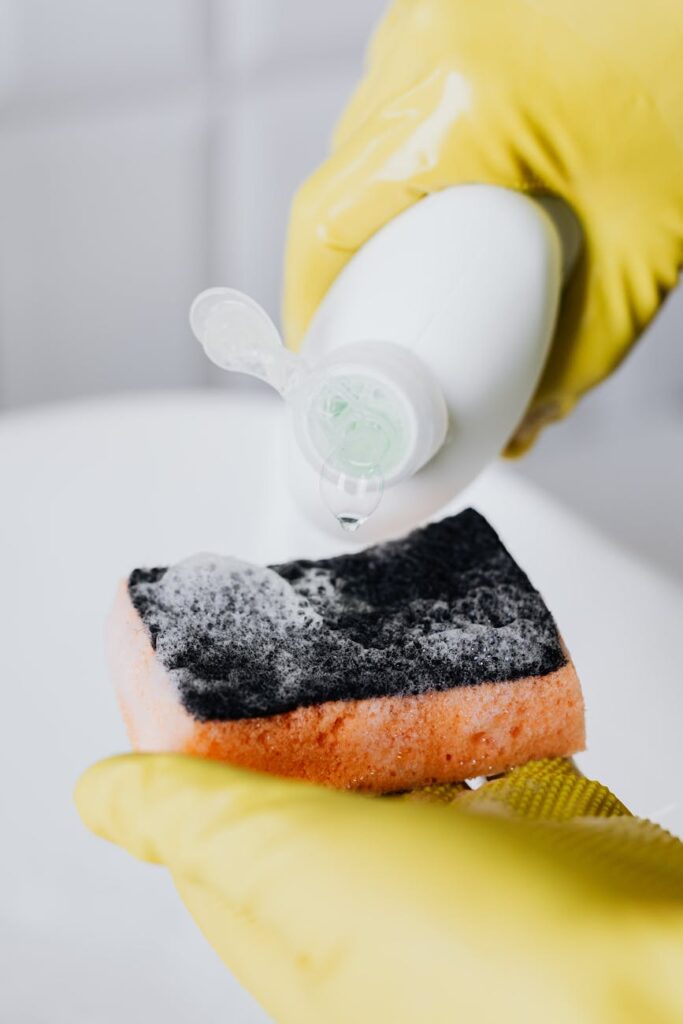
Smelly Kitchen Sponge Stains Guide Part 1
Introduction
A smelly kitchen sponge can turn your cleaning routine upside down. Not only can it harbor bacteria, but it can also leave unsightly stains that make your kitchen less inviting. Understanding how to deal with these stains effectively will not only help you maintain a clean kitchen but also extend the life of your sponges. This guide will provide you with practical solutions to tackle smelly sponge stains head-on.
What Causes Stains?
Stains on kitchen sponges can come from various sources. Here are the most common culprits:
- Food Particles: Leftover food bits can get trapped in the sponge, leading to discoloration and odors.
- Grease and Oils: Cooking oils can cling to sponge fibers, causing dark stains and unpleasant smells.
- Bacteria and Mold: Sponges are a breeding ground for bacteria, which can contribute to staining and odor.
- Hard Water: Minerals in hard water can leave behind unsightly deposits on sponges.
- Frequent Use: Daily cleaning tasks can lead to food residue buildup.
- Lack of Proper Cleaning: Many homeowners overlook the need to clean their sponges regularly.
- Moisture Retention: Sponges left in damp areas can become breeding grounds for bacteria.
- Low-Quality Sponges: Some sponges are not designed to withstand heavy use or cleaning products, leading to quicker deterioration.
- Microwave Method: Wet your sponge and place it in the microwave for 1-2 minutes on high. This kills bacteria and helps eliminate odors.
- Dishwasher Method: Place the sponge in the top rack of your dishwasher during a regular cycle. The hot water will clean and sanitize it.
- Bleach Solution: For tough stains, mix a solution of one tablespoon of bleach in one quart of water. Soak the sponge for 5 minutes, then rinse thoroughly. Use caution with bleach; never mix it with vinegar.
- Ignoring the Problem: Letting stains and odors linger can make them harder to remove later.
- Using the Wrong Cleaning Products: Some harsh chemicals can damage your sponge and may not be effective against stains.
- Not Replacing Sponges: Even with regular cleaning, sponges should be replaced every 2-4 weeks to prevent bacteria buildup.
- Storing Wet Sponges: Always dry your sponge completely before storing it to avoid further odor development.
- Rinse After Use: Always rinse your sponge after use to remove food particles and grease.
- Frequent Cleaning: Make it a habit to clean your sponge regularly, at least once a week.
- Store Properly: Keep your sponge in a dry, ventilated area to prevent moisture buildup.
- Use Multiple Sponges: Designate different sponges for different tasks, such as one for dishes and another for countertops.
- Consider Alternatives: If sponges continue to be a problem, consider using microfiber cloths, which can be washed and reused easily.
Understanding these causes is the first step in effectively eliminating both the stains and the odors.
Why This Problem Happens
The kitchen is a hub of activity, and sponges are often used for multiple tasks, making them prone to stains. Here’s why your sponge might be smelling and staining:
Recognizing these factors can help you make better choices when it comes to sponge care.
How to Fix Stains (Step-by-Step)
If your sponge has developed stains and odors, follow these simple steps to restore it:
1. Rinse the Sponge: Start by rinsing the sponge under hot water to remove any surface debris.
2. Create a Cleaning Solution: Mix equal parts of white vinegar and water in a bowl or sink. Vinegar is a natural disinfectant and deodorizer.
3. Soak the Sponge: Submerge the sponge in the vinegar solution for about 5-10 minutes.
4. Scrub with Baking Soda: After soaking, sprinkle baking soda on the sponge and scrub it gently. Baking soda acts as a mild abrasive, helping to lift stains.
5. Rinse Again: Rinse the sponge thoroughly under hot water to remove any remaining vinegar and baking soda.
6. Dry Completely: Lay the sponge flat on a clean surface or hang it in an airy space to dry. Make sure it’s completely dry before storing it.
By following these steps, you can effectively deal with stains and odors.
Best Cleaning Methods
While the vinegar and baking soda method is effective, there are other cleaning methods you can use:
Choose the method that best suits your needs and preferences.
Common Mistakes to Avoid
When dealing with smelly sponge stains, avoid these common pitfalls:
Steering clear of these mistakes can make a significant difference in maintaining your sponges.
Prevention Tips
Preventing stains and odors is far easier than removing them. Here are some effective tips:
By implementing these tips, you can maintain a fresher kitchen environment.
Frequently Asked Questions
1. How often should I replace my kitchen sponge?
Replace your kitchen sponge every 2-4 weeks, depending on usage and wear.
2. Can I use a sponge for cleaning raw meat surfaces?
It’s best to avoid using the same sponge for raw meat and other surfaces to prevent cross-contamination.
3. What’s the best way to sanitize a sponge?
Soak your sponge in a solution of equal parts vinegar and water or place it in the microwave for a couple of minutes.
4. Are there sponges specifically designed to resist odors?
Yes, many brands offer odor-resistant sponges made with antimicrobial materials.
5. Can I wash sponges in the washing machine?
Yes, you can wash sponges in the washing machine, but ensure they are placed in a mesh bag to prevent damage.
6. Is it safe to use bleach on sponges?
Yes, but use it with caution. Always dilute bleach and rinse thoroughly afterwards to avoid chemical residue.
By following this guide, you’ll be well-equipped to handle smelly kitchen sponge stains, ensuring a cleaner and fresher kitchen environment. Stay tuned for Part 2, where we’ll dive deeper into advanced cleaning techniques and alternatives for kitchen sponges.