
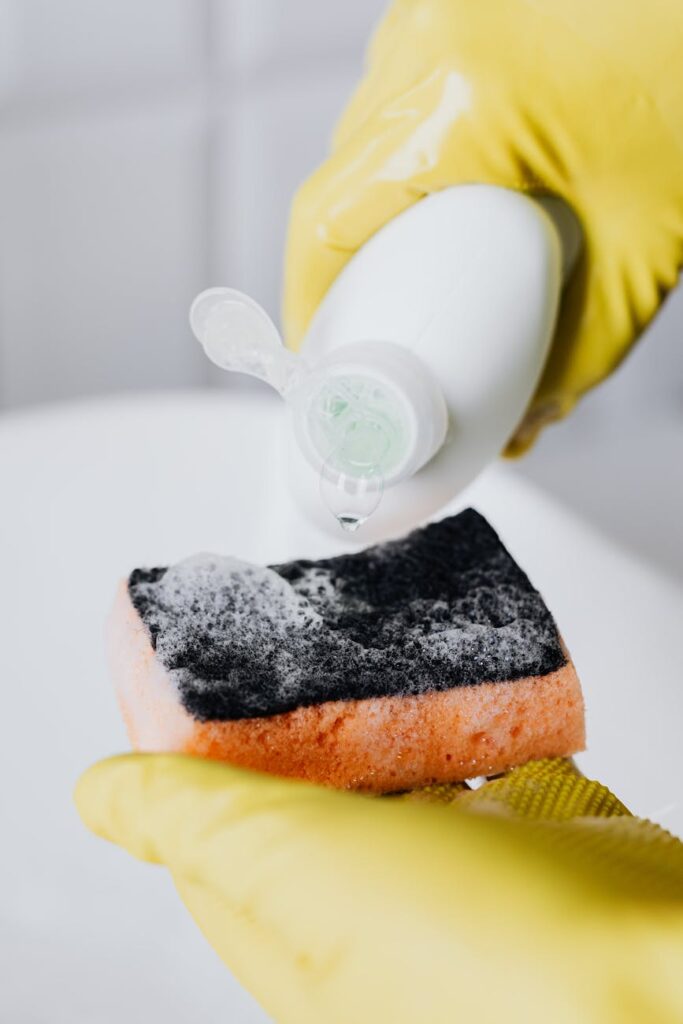
Smelly Kitchen Sponge Odours Guide Part 1
Introduction
A fresh kitchen is essential to a pleasant cooking experience, yet many homeowners overlook a common culprit of unpleasant odours: the kitchen sponge. If your sponge is emitting an unpleasant smell, it’s not just an annoyance; it can also be a breeding ground for bacteria. This guide will help you understand the causes of these odours, how to fix them, and how to prevent them from returning.
What Causes Odours?
The odours coming from your kitchen sponge primarily stem from bacteria and food particles trapped within its fibers. Some of the main culprits include:
- Bacteria Growth: Sponges are moist environments, ideal for bacteria like E. coli and Salmonella. When food particles get trapped, they decompose, leading to foul smells.
- Mold and Mildew: If a sponge remains wet for extended periods, it can develop mold and mildew, which produce musty odours.
- Old Sponges: Even if a sponge appears clean, age can lead to a buildup of grime and bacteria that causes unpleasant smells.
- Vinegar: Mix equal parts of white vinegar and water in a bowl.
- Baking Soda: Alternatively, create a paste with baking soda and water.
- Neglecting Regular Cleaning: Failing to clean your sponge regularly will allow bacteria to multiply.
- Using Old Sponges: Sponges have a lifespan. If your sponge is torn or has a persistent smell despite cleaning, it’s time to replace it.
- Storing Wet Sponges: Avoid keeping sponges in closed containers or wet areas. Always store them in a well-ventilated space.
Why This Problem Happens
Understanding why your sponge becomes smelly is essential for tackling the issue effectively:
1. Moisture Retention: Sponges hold water, creating a damp environment. This moisture is perfect for bacteria to thrive.
2. Infrequent Cleaning: Many homeowners forget to clean their sponges regularly, allowing odours to develop.
3. Improper Storage: Storing sponges in closed cabinets or drawers traps moisture and promotes bacteria growth.
How to Fix Odours (Step-by-Step)
If your sponge has developed a foul smell, follow these simple steps to revive it:
Step 1: Rinse Thoroughly
Rinse the sponge under hot running water to remove any loose food particles. Squeeze it several times to eliminate as much dirt as possible.
Step 2: Soak in a Cleaning Solution
Prepare a cleaning solution using:
Soak the sponge in the solution for about 5-10 minutes. Both vinegar and baking soda are natural deodorizers and sanitizing agents.
Step 3: Microwave Method
If your sponge is microwave-safe:
1. Wet the sponge thoroughly.
2. Place it in the microwave for 1-2 minutes (make sure it doesn’t dry out).
3. Allow it to cool before removing.
This method kills bacteria and neutralizes odours.
Step 4: Rinse Again
After soaking or microwaving, rinse the sponge again under hot water to remove any residual cleaning solution.
Step 5: Air Dry
Place the sponge in a well-ventilated area to dry completely. A dry sponge will help prevent future odours.
Best Cleaning Methods
Different cleaning methods can be effective for various types of odours:
Vinegar Soak
Vinegar is a natural disinfectant and deodorizer. Soaking your sponge in vinegar helps eliminate bacteria and neutralize smells.
Baking Soda Paste
Baking soda is excellent for absorbing odours. Create a paste with water, apply it to the sponge, let it sit for 10-15 minutes, then rinse.
Bleach Solution (Use with Caution)
For a tougher approach, mix one tablespoon of bleach with a quart of water. Soak the sponge for 5 minutes, then rinse thoroughly. Use this method sparingly, as bleach can degrade sponge materials over time.
Common Mistakes to Avoid
Here are some common pitfalls to steer clear of when dealing with smelly sponges:
Prevention Tips
To keep your sponges smelling fresh, follow these preventive measures:
1. Regular Cleaning: Clean your sponge at least once a week using one of the methods mentioned above.
2. Rotate Sponges: Use multiple sponges and rotate them to ensure each one has time to dry out completely.
3. Drying Techniques: After use, rinse sponges thoroughly, squeeze out excess water, and place them in a sunny spot to dry.
4. Use Different Sponges: Consider using separate sponges for different tasks (e.g., one for dishes and another for countertops) to minimize cross-contamination.
5. Replace Frequently: Replace sponges every 4-6 weeks or sooner if they start to smell.
Frequently Asked Questions
1. How often should I replace my kitchen sponge?
Replace your kitchen sponge every 4-6 weeks, or sooner if it becomes worn or has a persistent odour.
2. Can I wash my sponge in the dishwasher?
Yes, you can place your sponge on the top rack of your dishwasher during a hot cycle to sanitize it effectively.
3. What is the best way to store my sponge?
Store your sponge in a well-ventilated area, preferably upright or hanging, to allow it to dry completely after each use.
4. Is it safe to use bleach on my sponge?
While bleach can sanitize, it should be used sparingly and diluted properly to prevent degradation of the sponge material.
5. Why does my sponge still smell even after cleaning?
Persistent odours may indicate that the sponge is too old or has developed deep-seated bacteria. Consider replacing it.
6. Can I use essential oils to freshen my sponge?
Yes, adding a few drops of essential oils like tea tree or lavender to your cleaning solution can help freshen your sponge naturally.
By following these practical steps and tips, you can effectively manage and prevent smelly kitchen sponge odours, ensuring a cleaner and more pleasant kitchen environment. Stay tuned for Part 2, where we’ll explore more advanced techniques and alternative cleaning tools!