
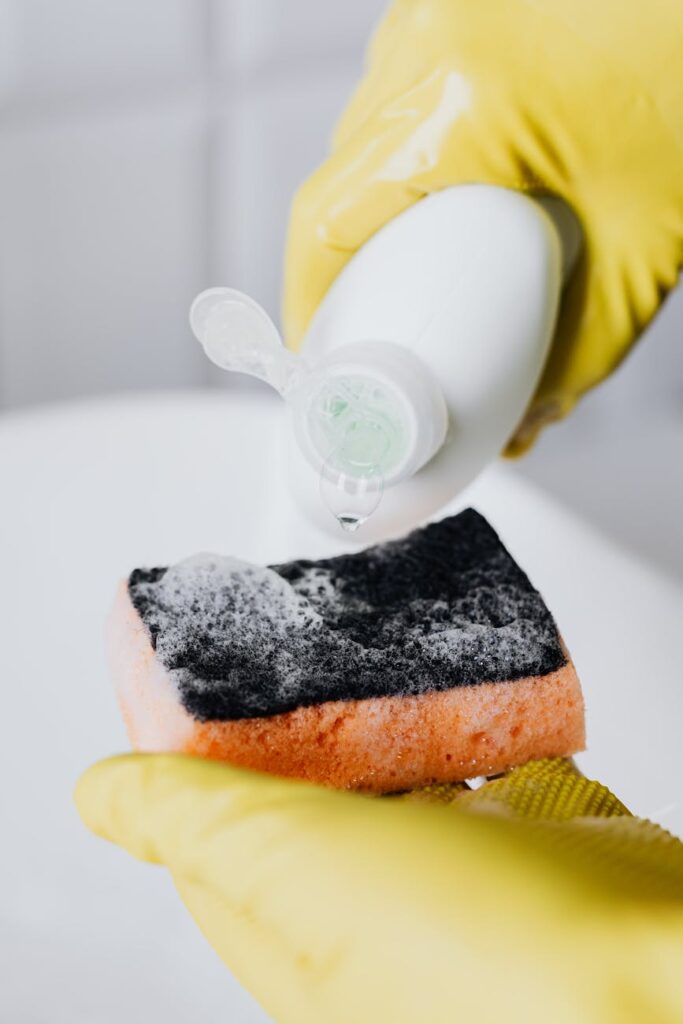
Smelly Kitchen Sponge Mould & Damp Guide Part 1
Introduction
A smelly kitchen sponge can be a source of frustration in any home. Often overlooked, this essential cleaning tool can harbor mould and dampness, leading to unpleasant odors and potential hygiene issues. This guide will help you understand the causes of mould and damp in your kitchen sponge, how to effectively clean it, and ways to prevent future problems.
What Causes Mould & Damp?
Mould thrives in damp, warm environments, making your kitchen sponge an ideal breeding ground. Here are the primary factors contributing to mould and damp in sponges:
1. Moisture Retention: Sponges absorb water, and when left wet, they become a perfect habitat for mould.
2. Food Residue: Leftover food particles provide nutrients for mould and bacteria.
3. Warm Environment: Kitchens can get warm, especially when cooking, increasing the chances of mould growth.
4. Infrequent Cleaning: Regular cleaning of sponges is often neglected, allowing mould to flourish.
Why This Problem Happens
Understanding why your sponge gets mouldy can help you take preventive measures. Here are some reasons:
- Usage Frequency: Frequent use without adequate drying can lead to persistent dampness.
- Storage: Storing sponges in closed containers or drawers traps moisture.
- Sponge Material: Some materials are more prone to retaining moisture.
- Neglect: Forgetting to replace or clean sponges regularly leads to build-up.
- Bleach Solution: Mix one part bleach to ten parts water. Soak the sponge for five minutes.
- Vinegar Solution: Submerge the sponge in white vinegar for 30 minutes. Rinse well afterward.
- Baking Soda Paste: Mix baking soda with water to form a paste. Scrub this mixture into the sponge and rinse thoroughly.
- Wet the sponge and place it in the microwave.
- Heat on high for 1-2 minutes.
- Ensure the sponge is damp to avoid fire hazards.
- Allow it to cool before taking it out.
- Place the sponge on the top rack of your dishwasher.
- Run a hot cycle.
- This method sanitizes while also cleaning.
- Bring a pot of water to a boil.
- Add the sponge and let it boil for 5-10 minutes.
- Remove carefully and let it cool before use.
- Not Cleaning Regularly: Failing to clean your sponge weekly can lead to serious hygiene issues.
- Storing Wet Sponges: Always ensure sponges are dry before storing them.
- Ignoring Signs of Damage: If your sponge is worn out, stop using it. A damaged sponge is ineffective and potentially harmful.
- Using Old Sponges: Replace your sponge every few weeks, or sooner if it shows signs of wear.
How to Fix Mould & Damp (Step-by-Step)
If your sponge has developed mould or an unpleasant smell, follow these actionable steps:
Step 1: Assess the Damage
Check your sponge for visible mould or an overpowering odor. If it’s heavily soiled or discolored, consider replacing it.
Step 2: Rinse Thoroughly
Rinse the sponge under hot running water to remove loose debris and particles.
Step 3: Choose a Cleaning Method
Decide on a cleaning method based on your preference. Here are a few effective choices:
Step 4: Dry Completely
After cleaning, wring out the sponge and place it in a well-ventilated area to dry completely. Avoid putting it in a closed space.
Step 5: Replace if Necessary
If the smell persists or the sponge appears damaged, it’s time to replace it. A new sponge can be a more effective cleaning tool.
Best Cleaning Methods
Here are the most effective methods for cleaning and sanitizing your kitchen sponge:
1. Microwave Method
2. Dishwasher Method
3. Boiling Method
Common Mistakes to Avoid
To maintain a clean and hygienic sponge, avoid these common pitfalls:
Prevention Tips
Taking proactive measures can help you prevent the occurrence of mould and damp in your kitchen sponge:
1. Dry After Use: Always wring out your sponge and place it in a well-ventilated area after each use.
2. Rotate Sponges: Use multiple sponges and rotate them, giving each time to dry.
3. Store Properly: Avoid closed containers; use a holder that allows air circulation.
4. Clean Regularly: Incorporate sponge cleaning into your weekly cleaning routine.
5. Choose the Right Material: Consider using antimicrobial sponges that resist mould growth.
Frequently Asked Questions
1. How often should I replace my kitchen sponge?
You should replace your kitchen sponge every 2-4 weeks, depending on usage.
2. Can I use bleach on all types of sponges?
No, avoid using bleach on non-synthetic sponges as it can break down the material. Stick to vinegar or baking soda for those.
3. What’s the best way to dry my sponge?
Wring it out completely and place it in a well-ventilated area, preferably hanging or on a drying rack.
4. Is it safe to microwave my sponge?
Yes, microwaving a damp sponge can kill bacteria, but ensure it’s wet to avoid fire hazards.
5. How can I tell if my sponge is too old?
If your sponge has an odor that doesn’t go away after cleaning, shows signs of wear, or is discolored, it’s time to replace it.
6. Are there any sponges that resist mould?
Yes, look for sponges labeled as antimicrobial or those made from materials that resist moisture retention.
Conclusion
Addressing mould and damp in your kitchen sponge doesn’t have to be a daunting task. By understanding the causes, applying effective cleaning methods, and taking preventive measures, you can keep your kitchen sponge clean and hygienic. Stay vigilant in your cleaning habits, and enjoy a fresher kitchen environment.