
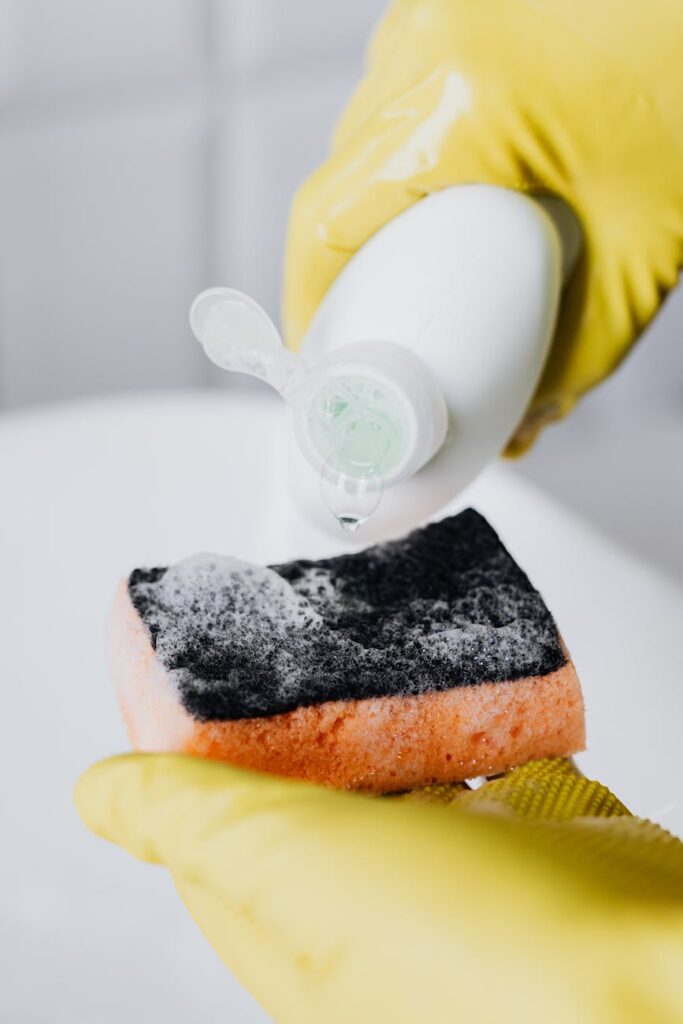
Smelly Kitchen Sponge Laundry Guide Part 1
Introduction
A smelly kitchen sponge is more than just a nuisance; it can harbor bacteria and contribute to unpleasant odors in your kitchen. Learning how to properly clean and maintain your sponges is essential for a hygienic home. In this guide, we’ll explore the causes of a smelly kitchen sponge, effective cleaning methods, and tips for prevention.
What Causes Laundry?
A smelly kitchen sponge typically results from the buildup of food particles, grease, and moisture. These elements create the perfect environment for bacteria and mold to thrive. When you use the sponge to clean surfaces, you may inadvertently spread these harmful organisms, compounding the problem.
Why This Problem Happens
The primary reasons sponges develop odors include:
1. Bacterial Growth: Sponges are often damp and warm, making them an ideal breeding ground for bacteria.
2. Food Residue: Bits of food can get trapped in the sponge, leading to decomposition and foul smells.
3. Improper Drying: If sponges are stored in a wet environment or not allowed to dry out completely, they retain moisture and odors.
4. Age of the Sponge: Over time, sponges become worn and less effective at holding up to cleaning tasks, increasing the likelihood of smells.
Understanding these causes is the first step toward effectively managing and eliminating odors.
How to Fix Laundry (Step-by-Step)
Cleaning a smelly kitchen sponge is straightforward. Follow these steps to restore it to its fresh state:
Step 1: Rinse Thoroughly
- Begin by rinsing the sponge under hot running water. This helps to remove loose debris and food particles.
- Squeeze the sponge several times to ensure it’s thoroughly soaked.
- Vinegar Solution: Mix equal parts of white vinegar and water in a bowl.
- Baking Soda Paste: Combine three tablespoons of baking soda with one tablespoon of water to form a paste.
- For Vinegar Solution: Submerge the sponge in the vinegar solution, ensuring it’s fully soaked. Let it sit for about 5 minutes.
- For Baking Soda Paste: Apply the paste to the sponge, focusing on areas that appear discolored or particularly smelly. Let it sit for 10 minutes.
- After soaking or applying the paste, rinse the sponge thoroughly under hot water. Ensure all cleaning agents are washed out.
- Squeeze out excess water and place the sponge in a well-ventilated area to dry completely. Avoid placing it in enclosed spaces or areas where moisture accumulates.
Step 2: Prepare a Cleaning Solution
Choose one of the following cleaning solutions:
Step 3: Clean the Sponge
Step 4: Rinse Again
Step 5: Dry Properly
Best Cleaning Methods
While the above steps are effective, consider these additional cleaning methods for a deeper clean:
Microwave Method
1. Dampen the Sponge: Make sure the sponge is wet (not dripping).
2. Microwave: Place it in the microwave for 1-2 minutes. Ensure it’s on a microwave-safe plate.
3. Cool Down: Let it cool for a minute before removing, as it will be hot.
Dishwasher Method
1. Top Rack: Place the sponge on the top rack of your dishwasher during a regular cycle.
2. Dry: Allow it to dry completely afterward.
Hydrogen Peroxide Soak
1. Mix Solution: Combine equal parts of hydrogen peroxide and water in a bowl.
2. Soak: Let the sponge soak for about 10-15 minutes.
3. Rinse: Rinse thoroughly with water.
Common Mistakes to Avoid
Avoid these pitfalls to keep your kitchen sponges fresh:
1. Ignoring Regular Cleaning: Clean your sponges regularly, ideally every few days, to prevent odors from developing.
2. Using a Dirty Sponge: Never use a sponge that already smells bad; it can transfer bacteria to surfaces.
3. Storing Wet Sponges: Always store sponges in a dry area to prevent moisture buildup.
4. Neglecting Replacement: Replace sponges every 2-4 weeks, depending on usage.
Prevention Tips
To keep your kitchen sponges smelling fresh, implement these tips:
1. Rotate Sponges: Use multiple sponges and rotate them to allow some to dry completely.
2. Use Vinegar: Regularly soak your sponge in vinegar to inhibit bacterial growth.
3. Avoid Food Residue: Rinse your sponge immediately after use to remove food particles.
4. Drying Rack: Invest in a sponge drying rack to allow air circulation.
5. Limit Use: Use sponges primarily for non-greasy surfaces to reduce odor buildup.
Frequently Asked Questions
1. How often should I clean my kitchen sponge?
Clean your kitchen sponge every few days, and replace it every 2-4 weeks.
2. Can I use bleach to clean my sponge?
Bleach can be effective but may degrade the sponge material. Consider vinegar or baking soda as safer alternatives.
3. What should I do if my sponge still smells after cleaning?
If odors persist, it’s best to replace the sponge entirely, as it may be harboring bacteria deep within its fibers.
4. Is it safe to microwave my sponge?
Yes, but ensure it is damp to avoid fire hazards. Always use a microwave-safe plate.
5. Can I wash my sponge in the washing machine?
Yes, you can place it in the washing machine, but be sure to dry it completely afterward.
6. What’s the best type of sponge to use?
Choose sponges labeled antibacterial or those made from natural materials for less odor retention.
By understanding the causes, cleaning methods, and preventative measures, you can maintain a fresh-smelling kitchen sponge that contributes to a cleaner, healthier home. Stay tuned for Part 2, where we’ll delve into advanced cleaning techniques and tips for different types of sponges.