
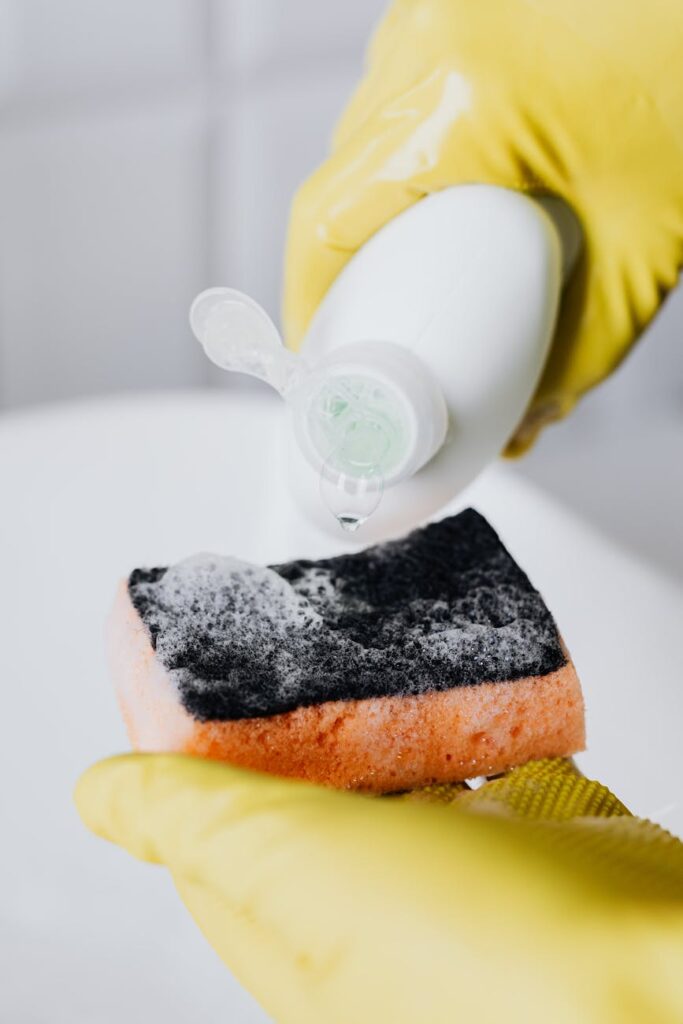
Smelly Kitchen Sponge Kitchen Guide Part 1
Introduction
A smelly kitchen sponge can be an unwelcome guest in any home. Not only does it emit an unpleasant odor, but it can also harbor harmful bacteria. This guide aims to address the causes of a smelly kitchen sponge, provide actionable steps for cleaning and prevention, and help you maintain a fresh and hygienic kitchen environment.
What Causes Kitchen Sponge Odors?
The primary culprits behind smelly kitchen sponges are food particles, grease, and moisture. When sponges are used to wipe up spills or clean dishes, they absorb these materials. If they remain damp and are not properly cleaned, bacteria and mold can thrive, leading to unpleasant smells.
Common Sources of Odor
- Food Residue: Bits of food stuck in the sponge can decompose and create odors.
- Grease: Greasy substances can cling to the sponge, making it a breeding ground for bacteria.
- Moisture: A damp environment is ideal for bacteria and mold growth.
- Action: Rinse the sponge under hot running water to remove food particles and any surface grime.
- Action: Soak the sponge in water and microwave it for 1-2 minutes. Ensure it’s damp to avoid fire hazards.
- Action: Place the sponge in a bowl with equal parts water and vinegar. Let it soak for 5-10 minutes.
- Action: Sprinkle baking soda on the sponge, scrub it, and rinse well. Baking soda neutralizes odors effectively.
- Action: Squeeze out excess water and place the sponge in a well-ventilated area to dry completely.
- Action: If the smell persists after cleaning, it’s time to replace the sponge.
- Rotate Sponges: Have multiple sponges and rotate them regularly.
- Use Dishwasher: Clean sponges in the dishwasher frequently.
- Dry After Use: Always ensure sponges are dried after use.
- Store Upright: Keep sponges upright in a drainable holder to enhance airflow.
- Replace Regularly: Change sponges every 2-4 weeks, depending on usage.
Why This Problem Happens
Understanding the reasons behind a smelly sponge can help you take preventive measures. The following factors contribute to odor development:
1. Lack of Cleaning: Regular cleaning of your sponge is often overlooked.
2. Inadequate Drying: Sponges left in damp areas are more likely to develop odors.
3. Improper Storage: Storing sponges in a closed container can trap moisture and odors.
How to Fix a Smelly Kitchen Sponge (Step-by-Step)
If your sponge has developed an unpleasant smell, here’s how to clean it effectively:
Step 1: Rinse Thoroughly
Step 2: Choose a Cleaning Method
You can select from various cleaning methods, depending on what you have available.
Method 1: Microwave
Method 2: Vinegar Soak
Method 3: Baking Soda Scrub
Step 3: Dry Thoroughly
Step 4: Replace if Necessary
Best Cleaning Methods
Here are the most effective cleaning methods for maintaining a fresh sponge:
1. Dishwasher Cleaning: Place the sponge on the top rack of your dishwasher during a hot cycle.
2. Bleach Solution: Mix one tablespoon of bleach in one gallon of water. Soak the sponge for 5 minutes, then rinse thoroughly.
3. Hydrogen Peroxide: Soak the sponge in a mixture of hydrogen peroxide and water for 10 minutes to kill bacteria and eliminate odors.
Common Mistakes to Avoid
To effectively manage sponge odors, avoid these common pitfalls:
1. Neglecting Regular Cleaning: Clean your sponge at least once a week to prevent buildup.
2. Storing Wet Sponges: Always wring out excess water and store sponges in a dry place.
3. Using the Same Sponge for Everything: Designate sponges for specific tasks (e.g., dishes, countertops) to limit cross-contamination.
Prevention Tips
Taking proactive measures can significantly reduce the chances of a smelly kitchen sponge:
Frequently Asked Questions
1. How often should I clean my kitchen sponge?
It’s best to clean your kitchen sponge at least once a week to prevent odors and bacteria buildup.
2. Can I use the same sponge for cleaning dishes and countertops?
While it’s possible, it’s advisable to have separate sponges for dishes and surfaces to avoid cross-contamination.
3. What’s the best way to dry my sponge?
Wring out the sponge thoroughly and place it in a well-ventilated area to air dry completely.
4. Are there sponges that resist odors better than others?
Yes, some sponges are designed with antimicrobial properties that can help resist odors and bacteria.
5. Is it safe to clean sponges with bleach?
Yes, using a diluted bleach solution is safe for cleaning sponges, but always rinse thoroughly afterward.
6. How can I tell when it’s time to replace my sponge?
If your sponge retains a persistent odor, shows signs of wear, or feels slimy, it’s time for a replacement.
By following these guidelines, you can maintain a clean, odor-free kitchen sponge and ensure a healthier environment in your kitchen. Regular maintenance and proper storage are key to keeping those pesky odors at bay.