
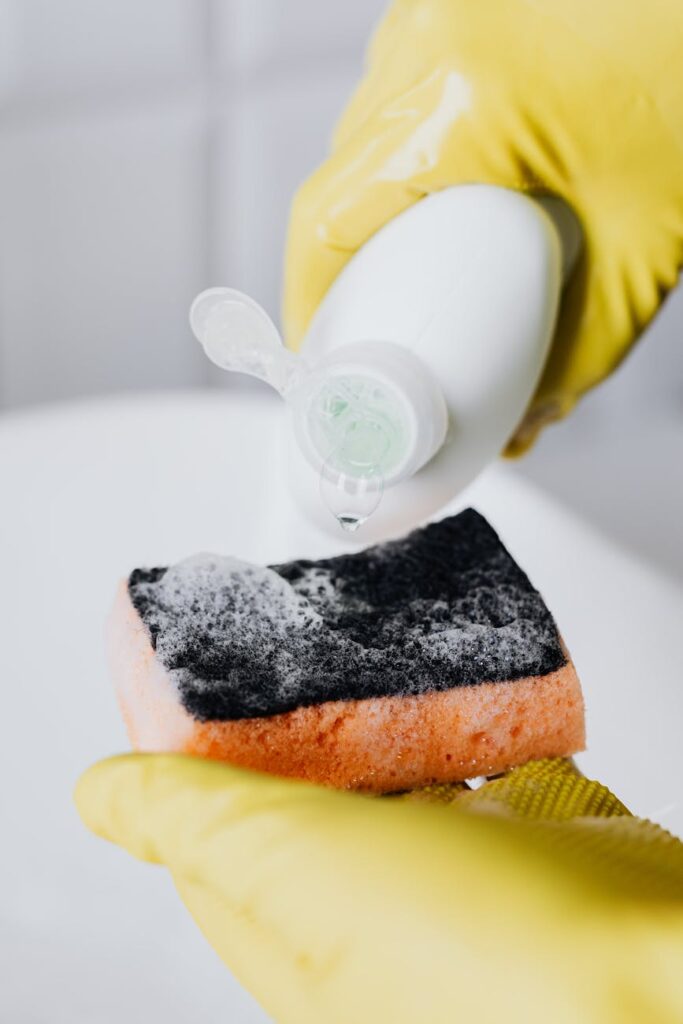
Smelly Kitchen Sponge Bathroom Guide Part 1
Introduction
A smelly kitchen sponge can create an unpleasant environment in your home, and when the odor lingers, it can seem like a never-ending problem. While most focus on the kitchen, the bathroom can also be a source of odors that can lead to a smelly sponge. This guide will cover the causes, solutions, and prevention strategies to keep your kitchen sponge smelling fresh while addressing the bathroom’s role in this issue.
What Causes Bathroom Odors?
Odors in the bathroom can stem from several sources:
1. Humidity: Bathrooms are often damp, creating a breeding ground for bacteria and mold.
2. Poor Ventilation: Lack of airflow can trap moisture and odors.
3. Dirty Surfaces: Grime and residue can accumulate on bathroom surfaces, contributing to unpleasant smells.
4. Plumbing Issues: Leaks or clogs can create stagnant water, leading to musty odors.
Understanding these causes helps identify where the problem might originate.
Why This Problem Happens
The bathroom is a unique environment that can exacerbate sponge odor for several reasons:
- Cross-Contamination: If the sponge is used in the bathroom, it can pick up bacteria and odors from surfaces.
- Moisture Retention: Sponges thrive in wet conditions. If the bathroom isn’t dried properly, sponges can absorb moisture and odors.
- Limited Cleaning: Many homeowners neglect to clean bathroom sponges regularly, allowing odor-causing bacteria to thrive.
- Mold on tiles or grout
- Dirty towels or bathmats
- Standing water in sinks or tubs
- Ventilate: Open windows or install an exhaust fan to improve airflow.
- Use a Dehumidifier: If humidity is consistently high, consider a small dehumidifier.
- Vinegar Soak: Vinegar is a natural disinfectant. Soaking the sponge in vinegar can neutralize odors effectively.
- Baking Soda Paste: Mix baking soda with water to create a paste. Use this to scrub the sponge and remove tough odors.
- Microwave Method: Wet the sponge and microwave it for 1-2 minutes. Ensure it’s wet to avoid fire hazards. This method kills most bacteria and reduces odors.
Recognizing these factors will help you tackle the problem effectively.
How to Fix Bathroom Odors (Step-by-Step)
Step 1: Identify the Source
Examine the bathroom for potential odor sources. Check for:
Step 2: Clean Surfaces
1. Gather Supplies: You’ll need an all-purpose cleaner, disinfectant, sponge, microfiber cloths, and a toilet brush.
2. Clear the Area: Remove items from countertops, shelves, and the floor.
3. Wipe Down Surfaces: Spray the all-purpose cleaner on sinks, countertops, and bathtubs. Wipe with a sponge or cloth.
4. Scrub the Toilet: Use a toilet brush and disinfectant to clean the inside of the toilet bowl.
5. Mop the Floor: Use a damp mop and cleaner to clean the floor, focusing on corners.
Step 3: Address Humidity
Step 4: Clean the Sponge
1. Rinse Thoroughly: After each use, rinse the sponge under hot water to remove any debris.
2. Sanitize: Soak the sponge in a solution of equal parts water and vinegar for 5-10 minutes.
3. Dry: Squeeze out excess water and leave the sponge in a well-ventilated area to dry completely.
Best Cleaning Methods
Common Mistakes to Avoid
1. Neglecting Regular Cleaning: Failing to clean the sponge and bathroom surfaces regularly leads to persistent odors.
2. Leaving Sponges in the Bathroom: If used in the bathroom, avoid leaving sponges in areas prone to moisture.
3. Overusing Products: Using too many cleaning products can lead to a buildup of residue, contributing to odors.
4. Not Drying Properly: Always ensure sponges and bathroom surfaces are dried completely to prevent mold growth.
Prevention Tips
1. Regular Cleaning Schedule: Establish a routine for cleaning the bathroom and sponges at least weekly.
2. Use an Air Freshener: Consider using a bathroom air freshener or essential oils to mask odors.
3. Store Sponges Properly: Keep kitchen sponges in a dry area, away from moisture.
4. Wash Bath Towels Frequently: Regularly wash towels to prevent them from becoming a source of odor.
5. Install a Fan: Adding a bathroom fan can help reduce humidity levels.
Frequently Asked Questions
1. How often should I replace my kitchen sponge?
Replace sponges every 1-2 weeks or sooner if they start to smell or show signs of wear.
2. Can I use my kitchen sponge in the bathroom?
It’s best to have separate sponges for the kitchen and bathroom to prevent cross-contamination.
3. What can I do if my sponge still smells after cleaning?
Try soaking the sponge in a mixture of vinegar and baking soda overnight, then rinse and dry it thoroughly.
4. How do I keep my bathroom smelling fresh?
Regular cleaning, proper ventilation, and using air fresheners can help maintain a fresh scent in your bathroom.
5. Is it safe to microwave sponges?
Yes, but ensure the sponge is wet to prevent fire hazards. Microwaving can help kill bacteria.
6. What are the signs that I need a new sponge?
If the sponge is falling apart, retaining odors despite cleaning, or showing signs of mold, it’s time to replace it.
By addressing bathroom odors and maintaining your kitchen sponge, you can create a cleaner, fresher home environment. Follow these actionable steps to keep your kitchen sponge and bathroom smelling their best.