
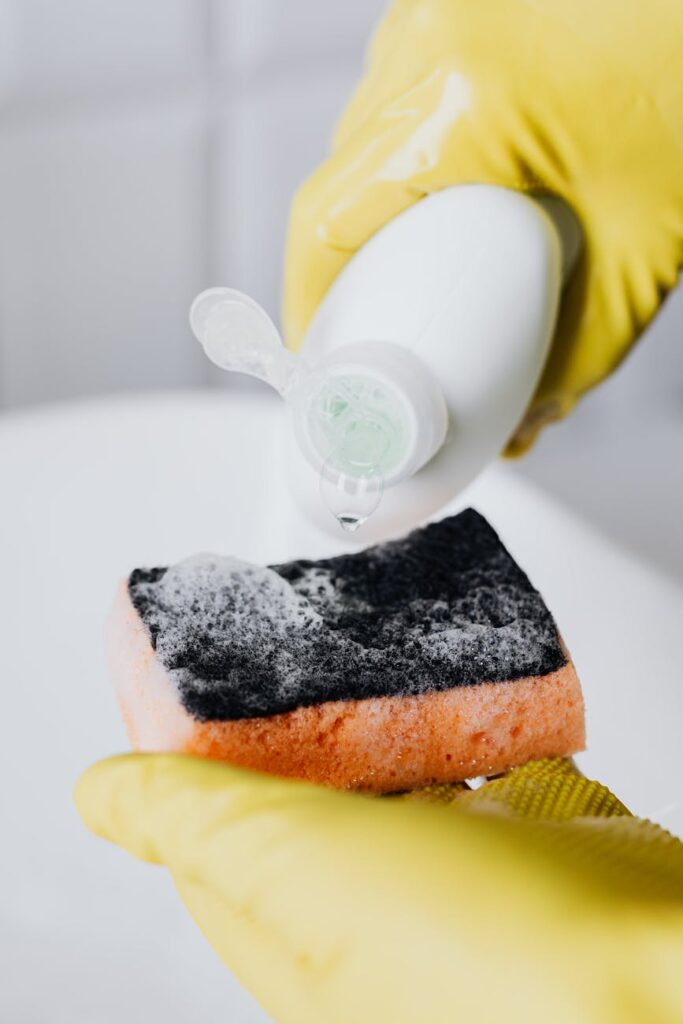
Smelly Kitchen Sponge Appliances Guide Part 1
Introduction
A smelly kitchen sponge is not just an unpleasant sight; it can also be a breeding ground for bacteria. The good news is that you can tackle this issue effectively with the right appliances and methods. This guide will help you understand the causes, solutions, and prevention techniques for keeping your kitchen sponges clean and odor-free.
What Causes Appliances?
When we talk about “appliances” in the context of a smelly kitchen sponge, we refer primarily to the tools and devices you can use to clean, disinfect, and maintain your sponges. The smell usually arises from trapped food particles, moisture, and bacteria that thrive in damp environments.
Key Contributors:
- Bacteria: Common bacteria such as E. coli and Salmonella can live in sponges.
- Mold and Mildew: These fungi thrive in moist conditions, causing unpleasant smells.
- Food Residue: Bits of food left in the sponge can decompose and create odors.
- Mix: Combine equal parts of white vinegar and water.
- Soak: Let the sponge soak for 5-10 minutes.
- Rinse: Rinse thoroughly with water before use.
- Create Paste: Mix baking soda with a little water to form a paste.
- Scrub: Use the paste to scrub the sponge and reduce odors.
- Rinse: Rinse well afterward.
- Sprinkle: Sprinkle salt on the sponge.
- Use Lemon: Rub the sponge with half a lemon, then rinse.
Why This Problem Happens
Understanding why your sponge becomes smelly is crucial. The kitchen sponge is often damp and used repeatedly, making it an ideal environment for bacteria and fungi to multiply.
Factors Contributing to Smell:
1. High Humidity: Sponges absorb moisture and don’t dry quickly, especially in humid kitchens.
2. Improper Storage: Leaving sponges in closed containers or on countertops can trap moisture.
3. Overuse: Using the same sponge for multiple tasks without proper cleaning can lead to build-up.
How to Fix Appliances (Step-by-Step)
Addressing a smelly sponge involves both immediate cleaning and long-term maintenance. Here’s a step-by-step guide for using appliances to fix the issue:
Step 1: Microwave Method
1. Rinse the Sponge: Thoroughly soak the sponge in water.
2. Microwave: Place the damp sponge in the microwave for 1-2 minutes on high heat. This will kill most bacteria and reduce odors.
3. Caution: Ensure the sponge is wet to prevent it from catching fire.
Step 2: Dishwasher Method
1. Load the Sponge: Place the sponge on the top rack of your dishwasher.
2. Select a Cycle: Run a normal wash cycle with a heated dry option.
3. Dry: Allow the sponge to dry completely before using it again.
Step 3: Boiling Water Method
1. Boil Water: Bring a pot of water to a rolling boil.
2. Submerge Sponge: Carefully place the sponge in the boiling water for 5-10 minutes.
3. Cool and Dry: Let it cool down before using it again.
Best Cleaning Methods
Different methods can help keep your kitchen sponge fresh and odor-free. Here’s a rundown of the best cleaning techniques:
1. Vinegar Soak
2. Baking Soda Scrub
3. Salt and Lemon
Common Mistakes to Avoid
To effectively manage sponge odors, avoid these common missteps:
1. Neglecting Drying
Leaving sponges damp can lead to bacteria growth. Always allow sponges to dry completely.
2. Using the Same Sponge for Everything
Using one sponge for multiple tasks (like washing dishes and cleaning countertops) can transfer bacteria. Use separate sponges for different tasks.
3. Ignoring Signs of Wear
When a sponge starts to fray or smell, it’s time to replace it. Don’t wait until it’s too late.
Prevention Tips
Taking proactive steps can help you keep your sponges smelling fresh. Here are some effective prevention strategies:
1. Regular Cleaning
Clean your sponges at least once a week using one of the methods outlined above.
2. Proper Storage
Store sponges in a ventilated area. Avoid closed containers that trap moisture.
3. Rotate Sponges
Keep multiple sponges on hand and rotate them regularly to give each one a chance to dry out completely.
4. Use a Sponge Holder
Consider investing in a sponge holder that allows for drainage, helping to keep sponges dry.
Frequently Asked Questions
1. How often should I replace my kitchen sponge?
It’s best to replace your kitchen sponge every 2-4 weeks, depending on usage.
2. Can I sanitize my sponge in the dishwasher?
Yes, running your sponge through a dishwasher cycle can effectively sanitize it.
3. Is using a microwave safe for all sponges?
Most synthetic sponges are safe for microwaving, but avoid using metal sponges.
4. What if my sponge still smells after cleaning?
If your sponge smells after cleaning, it may be time to replace it. Persistent odors indicate deep contamination.
5. Are there any sponges that are less prone to odors?
Yes, consider using silicone sponges or those made from natural materials like cellulose, which tend to resist odors better.
6. Can I use bleach to clean my sponge?
While bleach can disinfect, it’s not recommended for regular sponge cleaning due to potential harmful fumes and degradation of the sponge material.
Keeping your kitchen sponge fresh and odor-free doesn’t have to be a daunting task. By applying the right cleaning methods and making a few adjustments to your habits, you can maintain a clean and hygienic kitchen environment. Stay tuned for Part 2, where we’ll explore more advanced cleaning techniques and tools!