
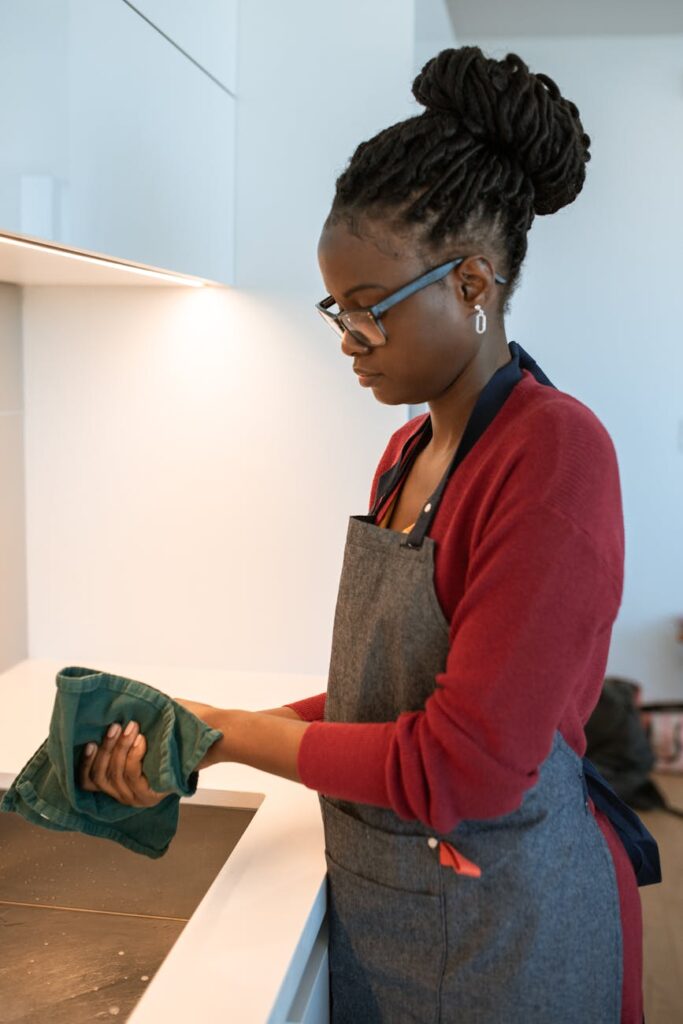
Smelly Dishcloth Mould & Damp Guide Part 1
Introduction
A smelly dishcloth can be more than just an unpleasant nuisance; it can also be a breeding ground for mould and dampness. Understanding how to tackle this issue effectively will help you maintain a healthier kitchen environment. In this guide, we will explore the causes of mould and damp, how to fix the problem, and ways to prevent it from recurring.
What Causes Mould & Damp?
Mould thrives in damp, humid environments, making dishcloths a prime target. Here are the main culprits:
1. Moisture: Dishcloths are often wet, whether from cleaning dishes or spills. This moisture can linger, creating a perfect environment for mould to grow.
2. Food Residue: Leftover food particles can cling to dishcloths, providing nutrients for mould spores.
3. Lack of Airflow: Storing damp dishcloths in closed spaces can trap moisture, exacerbating the problem.
4. High Humidity: Living in a humid climate can increase the likelihood of dampness in household items.
Why This Problem Happens
Mould and dampness occur when the conditions are right. Dishcloths often become damp during regular use, and if they’re not dried promptly or properly, mould can begin to grow.
The primary reasons include:
- Neglect: Forgetting to wash or dry dishcloths regularly.
- Overlapping Use: Using the same cloth for various tasks without proper cleaning.
- Improper Storage: Storing wet cloths in drawers or other enclosed spaces.
- Hot water
- White vinegar or baking soda
- A washing machine or a large basin
- A drying rack or a well-ventilated area
- Not Washing Regularly: Aim to wash dishcloths at least once a week or more frequently if they are heavily used.
- Using the Same Cloth for Everything: Designate specific cloths for various tasks to prevent cross-contamination.
- Storing Wet Cloths: Never leave damp cloths in a pile or closed space; always hang them to dry.
- Ignoring Signs of Mould: Address any musty smells or visible mould immediately to prevent further growth.
How to Fix Mould & Damp (Step-by-Step)
If your dishcloth has developed mould or a musty smell, follow these actionable steps to resolve the issue:
Step 1: Gather Your Supplies
You will need:
Step 2: Pre-soak the Cloth
1. Fill a basin with hot water.
2. Add one cup of white vinegar or half a cup of baking soda.
3. Submerge the dishcloth in the solution and let it soak for at least 30 minutes. This will help loosen any mould and neutralize odours.
Step 3: Wash the Cloth
1. After soaking, wring out excess water.
2. Place the dishcloth in the washing machine with your regular laundry detergent.
3. Run on the hottest wash cycle suitable for the fabric.
Step 4: Dry Thoroughly
1. Remove the cloth from the washing machine.
2. Either tumble dry on a low heat or hang it outside in the sun. Sunlight is a natural mould inhibitor.
3. Ensure it is completely dry before storing it.
Best Cleaning Methods
Here are some effective cleaning methods to remove mould and odours from dishcloths:
1. Vinegar Soak
Vinegar naturally kills mould spores. Soaking your dishcloth in a vinegar solution can eliminate both mould and lingering smells.
2. Baking Soda Wash
Baking soda is an excellent deodorizer and can help remove stains. Add half a cup to your laundry load for added cleaning power.
3. Bleach Solution (for white cloths)
If the dishcloth is white, a diluted bleach solution can effectively kill mould. Mix one cup of bleach with a gallon of water, soak for 10 minutes, and then wash as usual. Always ensure proper ventilation when using bleach.
4. Essential Oils
Adding a few drops of tea tree oil or lavender oil to your wash can provide a pleasant scent and combat mould.
Common Mistakes to Avoid
Avoid these pitfalls to keep your dishcloths fresh and clean:
Prevention Tips
To ensure your dishcloths remain fresh and mould-free, consider these preventive measures:
1. Regular Washing: Establish a routine for washing dishcloths; weekly is a good standard.
2. Proper Drying: Always dry cloths thoroughly after each use.
3. Use Multiple Cloths: Keep several dishcloths on hand and rotate them.
4. Airflow: Store clean, dry dishcloths in a well-ventilated area.
5. Limit Dampness: Use dishcloths only for their intended purpose and avoid excessive soaking.
Frequently Asked Questions
1. How often should I wash my dishcloths?
Aim to wash them at least once a week, or more frequently if they are used daily.
2. Can I use fabric softener on dishcloths?
It’s best to avoid fabric softener, as it can leave a residue that reduces absorbency.
3. What’s better for cleaning, vinegar or baking soda?
Both are effective. Vinegar is excellent for killing mould, while baking soda is great for deodorizing.
4. How can I tell if my dishcloth is too worn out?
If the cloth is frayed, has persistent odours, or stains that don’t come out, it’s time to replace it.
5. Can I use my dishcloth for cleaning surfaces?
Yes, but designate separate cloths for different tasks to avoid cross-contamination.
6. What should I do if I see mould on my dishcloth?
Immediately wash it using one of the cleaning methods outlined above and ensure it dries completely.
By following this guide, you can maintain fresh, clean dishcloths and keep mould and dampness at bay. Stay tuned for Part 2, where we will delve deeper into advanced cleaning techniques and solutions.