
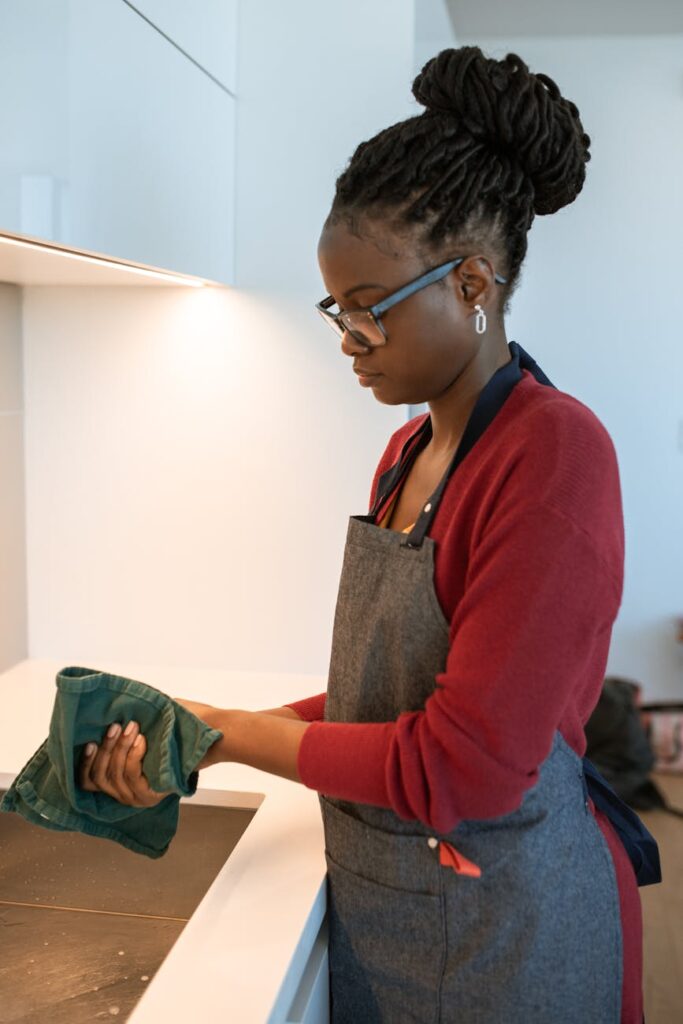
Smelly Dishcloth Laundry Guide Part 1
Introduction
A smelly dishcloth can be a frustrating problem for any homeowner. Not only does it make your kitchen smell unpleasant, but it can also transfer odors to your dishes and utensils. This guide will help you understand what causes those odors, why they persist, and how to effectively clean and prevent them from returning.
What Causes Laundry?
Dishcloths pick up food particles, oils, and bacteria from your kitchen. Over time, these residues can build up and lead to unpleasant odors. Common causes include:
- Food Residues: Leftover oils and bits of food cling to the fabric.
- Bacteria Growth: Warm, damp environments are perfect for bacteria to thrive.
- Improper Drying: If dishcloths are left damp, they can develop a musty smell.
- Hot water
- Laundry detergent
- White vinegar or baking soda
- A washing machine
- A drying rack or dryer
Understanding these causes is the first step to tackling the problem.
Why This Problem Happens
When dishcloths are used repeatedly without proper cleaning, they can become a breeding ground for bacteria and mold. Here’s why the problem persists:
1. Infrequent Washing: Many people wash their dishcloths too infrequently, allowing odors to accumulate.
2. Low-Temperature Washing: Washing at low temperatures may not kill all bacteria and can fail to remove stubborn stains.
3. Using Fabric Softener: While it makes fabrics smell nice, fabric softeners can leave a residue that traps odors.
4. Poor Storage: Storing damp dishcloths in a closed space can create an ideal environment for odor-causing bacteria.
Now that we understand the causes and underlying issues, let’s move on to how to fix the problem.
How to Fix Laundry (Step-by-Step)
Step 1: Gather Supplies
Before you start, gather the following supplies:
Step 2: Pre-Treat Stains
If your dishcloth has visible stains or strong odors, pre-treat it. Here’s how:
1. Soak: Fill a bowl with hot water and add a cup of white vinegar or half a cup of baking soda.
2. Submerge: Place the dishcloth in the mixture and let it soak for 30 minutes.
3. Scrub: Gently scrub any stained areas with a soft brush.
Step 3: Load the Washing Machine
1. Place in Machine: Add the dishcloth to your washing machine.
2. Add Detergent: Use a quality laundry detergent; avoid using fabric softeners.
3. Set Temperature: Select the hottest setting that is safe for the fabric.
Step 4: Wash
Run the washing machine for a full cycle. This should help eliminate odors and bacteria effectively.
Step 5: Dry Properly
1. Drying Options: You can either air dry your dishcloth on a drying rack or use a dryer.
2. Ensure Complete Drying: Make sure your dishcloth is completely dry before storing it to prevent odors from returning.
Step 6: Store Correctly
Store your cleaned dishcloths in a dry, well-ventilated area. Avoid closed spaces where moisture can accumulate.
Best Cleaning Methods
Hot Water Wash
Using hot water is essential for killing bacteria. Ensure that your dishcloths are safe to wash in hot water according to their care labels.
Vinegar and Baking Soda
These natural cleaners are effective at neutralizing odors and breaking down residues. Use either vinegar in the wash or baking soda as a pre-soak.
Bleach (if applicable)
For white dishcloths, a diluted bleach solution can be used to sanitize and remove tough stains. Always follow the manufacturer’s guidelines for safe use.
Common Mistakes to Avoid
1. Not Washing Frequently: Wash dishcloths at least once a week or more often if heavily soiled.
2. Using Too Much Detergent: Excess detergent can leave residues that trap odors.
3. Ignoring Care Labels: Always follow washing instructions on the care label to avoid damaging the fabric.
4. Storing Damp Cloths: Never store dishcloths while damp; this encourages mold and odors.
Prevention Tips
1. Change Regularly: Rotate dishcloths frequently to prevent odors from building up.
2. Wash After Each Use: For particularly messy jobs, consider washing dishcloths after each use.
3. Use Multiple Cloths: Designate different cloths for different tasks (e.g., drying versus wiping).
4. Air Dry After Use: Hang dishcloths to dry immediately after use to minimize dampness.
Frequently Asked Questions
1. How often should I wash my dishcloths?
Aim to wash dishcloths at least once a week. If they become heavily soiled or odorous, wash them more frequently.
2. Can I use fabric softener on dishcloths?
It’s best to avoid fabric softener, as it can leave a residue that traps odors.
3. What if my dishcloth still smells after washing?
Try soaking it again in a mixture of hot water and white vinegar before washing it again.
4. Is it safe to use bleach on dishcloths?
Yes, as long as they are white and the care label allows it. Always dilute bleach and follow safety precautions.
5. Can I wash dishcloths with other laundry?
Yes, but ensure that you’re washing similar fabrics together. Avoid washing heavily soiled items with lighter fabrics.
6. How can I ensure my dishcloths dry completely?
After washing, hang them in a well-ventilated area or use a dryer. Make sure they are spread out to allow airflow.
By following these steps and tips, you can effectively tackle the issue of smelly dishcloths and keep your kitchen fresh and clean. Stay tuned for Part 2, where we’ll delve deeper into advanced cleaning techniques and product recommendations.