
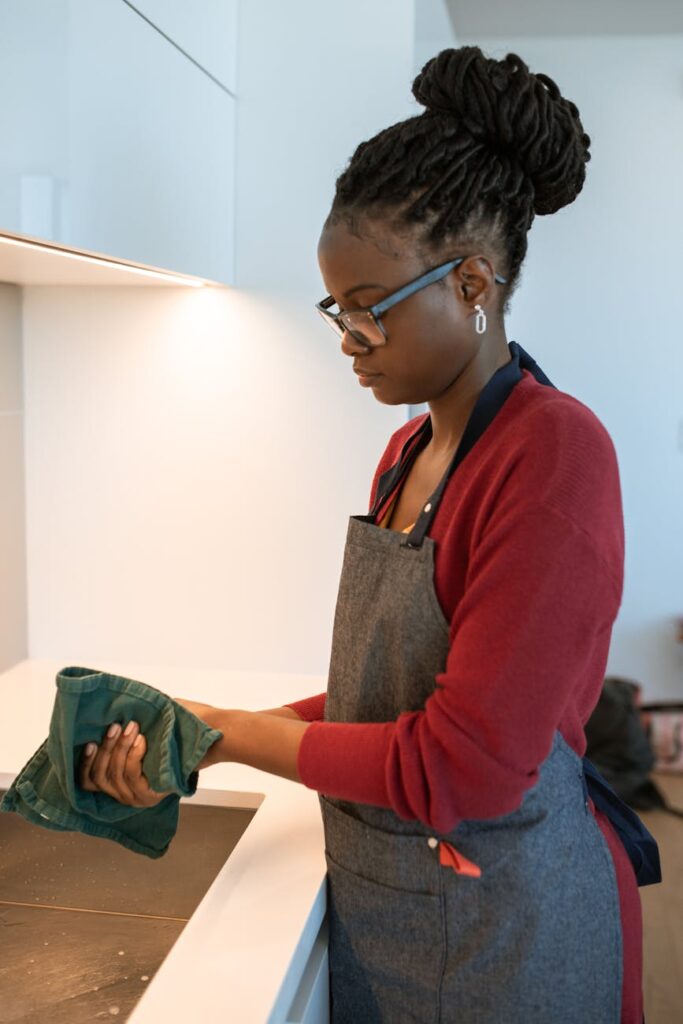
Smelly Dishcloth Kitchen Guide Part 1
Introduction
A smelly dishcloth can be a significant nuisance in any kitchen. Not only does it emit unpleasant odors, but it can also harbor bacteria, leading to potential food safety concerns. In this guide, we’ll uncover the causes of these odors, provide actionable steps to fix the issue, and share effective prevention tips so you can maintain a fresh and clean kitchen environment.
What Causes Kitchen Smells?
Several factors contribute to a dishcloth developing an unpleasant smell:
- Food Residue: Leftover food particles can cling to the fabric, causing odors over time.
- Moisture: A damp dishcloth sitting in a closed space encourages bacterial growth.
- Bacteria and Mold: Both thrive in warm, humid environments, leading to foul smells.
- Improper Washing: If not cleaned properly, dishcloths can retain odors.
- Inadequate Drying: If you leave your dishcloth in a damp pile or closed container, it won’t dry out, promoting odor development.
- Neglecting Regular Washing: Skipping regular washes allows bacteria to multiply.
- Using the Wrong Cleaning Products: Some cleaners can leave residues that contribute to smells.
- Neglecting to Rinse: Always rinse your dishcloth right after use.
- Using Cold Water: Cold water may not effectively kill bacteria. Use warm or hot water instead.
- Ignoring Stains: Treat stains as soon as possible to prevent odors.
- Not Replacing Regularly: Dishcloths should be replaced every few months, even if they seem clean.
- Have Multiple Dishcloths: Rotate between a few to allow each to dry fully.
- Use a Dish Rack: Hang your dishcloth on a rack to promote airflow and drying.
- Limit Moisture: Avoid leaving the dishcloth in a wet sink or pile.
- Regularly Wash: Establish a washing routine to keep your dishcloth fresh.
Understanding these causes is the first step in tackling the problem effectively.
Why This Problem Happens
The kitchen is a busy space where food is prepared and cleaned up. Dishcloths often come into contact with various food items, oils, and spills. When they aren’t cleaned or dried properly, they can become breeding grounds for bacteria and mold. Here’s a breakdown of why this happens:
By recognizing these factors, you can take proactive steps to prevent your dishcloth from smelling.
How to Fix Kitchen Smells (Step-by-Step)
Follow these steps to eliminate odors from your dishcloth effectively:
Step 1: Rinse Immediately
After using your dishcloth, rinse it under hot water to remove any food particles and soap residues. This quick action helps prevent smells from developing.
Step 2: Soak in Vinegar Solution
Create a solution using one part white vinegar to four parts water. Soak your dishcloth in this mixture for 30 minutes. Vinegar is a natural deodorizer and will help kill bacteria.
Step 3: Wash Thoroughly
Place the dishcloth in your washing machine with regular detergent. Use the hottest water temperature that’s safe for the fabric. You may add a cup of baking soda to the wash cycle for extra odor-fighting power.
Step 4: Dry Completely
After washing, dry your dishcloth thoroughly. If possible, hang it outside in the sun, as sunlight helps eliminate bacteria and odors. If using a dryer, ensure it’s fully dry to prevent moisture accumulation.
Step 5: Inspect Regularly
Check your dishcloth for any lingering odors. If it still smells, repeat the process or consider replacing it.
Best Cleaning Methods
Here are the most effective cleaning methods for your dishcloth:
1. Vinegar Soak
As mentioned, vinegar is excellent for neutralizing odors. Soak your dishcloth in a vinegar solution to kill bacteria.
2. Baking Soda Boost
Adding baking soda to your washing machine can help absorb lingering smells. It’s especially effective for stubborn odors.
3. Bleach Solution (for White Cloths)
For white dishcloths, a diluted bleach solution can be effective. Mix one tablespoon of bleach in a gallon of water. Soak for 5-10 minutes, then rinse thoroughly.
4. Essential Oils
Adding a few drops of essential oils like tea tree or lavender to your wash can leave your dishcloth smelling fresh. These oils also have antimicrobial properties.
Common Mistakes to Avoid
Avoid these pitfalls to keep your dishcloth smelling fresh:
Prevention Tips
To prevent your dishcloth from smelling in the first place, consider these tips:
Frequently Asked Questions
1. How often should I wash my dishcloth?
You should wash your dishcloth at least every two to three days, or more often if it gets particularly dirty or smelly.
2. Can I use fabric softener on dishcloths?
It’s best to avoid fabric softeners, as they can leave residues that trap odors and reduce absorbency.
3. What’s the best way to dry my dishcloth?
Hang it in a well-ventilated area or use a dryer. Ensure it’s completely dry to prevent odors.
4. Are there specific fabrics that resist odors better?
Microfiber dishcloths tend to resist odors better than cotton. However, all fabrics can develop smells if not cared for properly.
5. Is it safe to use bleach on all dishcloths?
Bleach should only be used on white dishcloths. For colored ones, stick to vinegar or baking soda solutions.
6. What if my dishcloth still smells after washing?
If odors persist, try soaking it in a stronger vinegar solution or replacing it altogether. Long-term odors may indicate it’s time for a new cloth.
By following these guidelines and tips, you can maintain a fresh and clean kitchen environment. A smelly dishcloth doesn’t have to be a regular part of your kitchen routine—take action today to keep your space odor-free!