
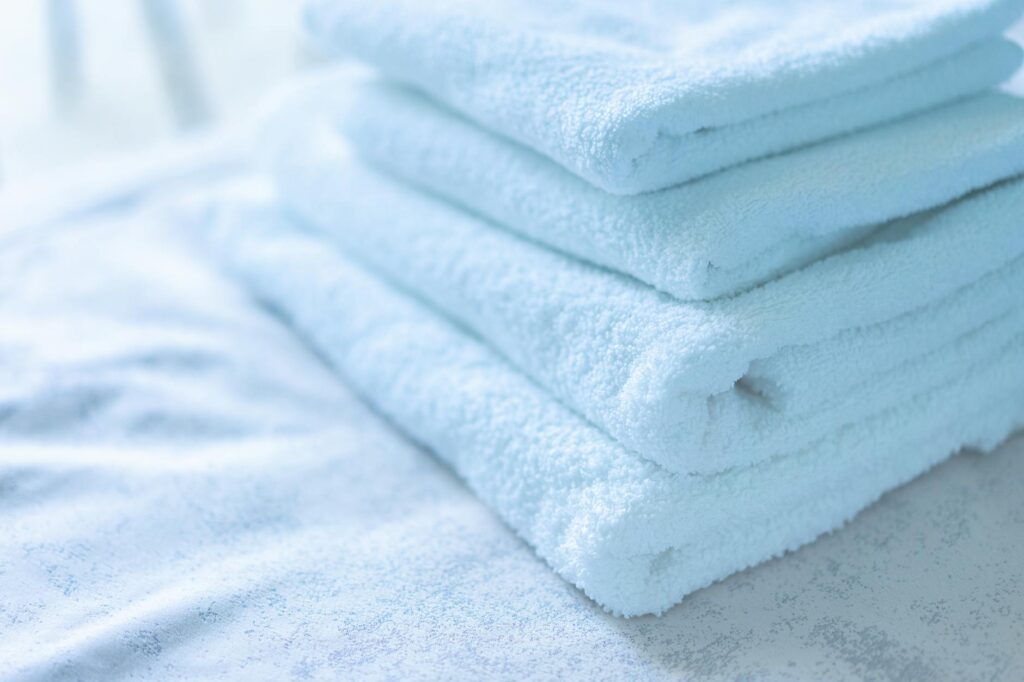
Smelly Dish Towels Kitchen Guide Part 1
Introduction
Dish towels are an essential part of any kitchen, but they can quickly become a source of unpleasant odors. A smelly dish towel not only disrupts your cooking environment but can also transfer odors to your clean dishes. In this guide, we will explore the causes of smelly dish towels, how to fix the problem, and preventive measures to keep your kitchen fresh.
What Causes Kitchen Smells?
Several factors contribute to the unpleasant odors that can develop in dish towels:
1. Bacteria and Mold Growth: Dish towels often absorb moisture, which creates an ideal breeding ground for bacteria and mold. These microorganisms thrive in damp conditions, leading to foul smells.
2. Food Residue: If towels are used to wipe up spills or clean dishes, they may retain food particles. Even small amounts can become a breeding ground for odors.
3. Improper Drying: Leaving wet towels in a pile or hanging them in a humid environment can result in stagnant odors.
4. Fabric Composition: Some dish towels are made from synthetic materials that can trap odors more than natural fibers.
Why This Problem Happens
Understanding the reasons behind smelly dish towels is crucial for effective cleaning. Here are some common causes:
- Infrequent Washing: If towels are not washed regularly, bacteria can multiply rapidly, leading to smells.
- Low-Quality Towels: Some dish towels do not absorb moisture well and can retain odors.
- Using the Same Towel for Multiple Tasks: Using one towel for various kitchen tasks can transfer smells from one area to another.
- Storage Conditions: Storing damp towels in a closed space can cause them to smell musty.
- Hot water
- Laundry detergent
- White vinegar
- Baking soda
- A washing machine (or a large basin for hand washing)
- Combine hot water with a cup of white vinegar in a basin and let the towels soak for an hour before washing.
- Add baking soda directly to your washing machine to neutralize odors during the wash cycle.
- A few drops of essential oils like lavender or tea tree oil can be added to the wash for a pleasant scent and extra antibacterial properties.
How to Fix Smelly Dish Towels (Step-by-Step)
If you’re dealing with smelly dish towels, follow these steps to clean them effectively:
Step 1: Gather Your Supplies
Step 2: Pre-soak the Towels
1. Fill a basin or your washing machine with hot water.
2. Add one cup of white vinegar to the water.
3. Place the smelly towels in the water and let them soak for at least 30 minutes. This helps to break down odors and bacteria.
Step 3: Wash the Towels
1. After soaking, drain the water and transfer the towels to the washing machine.
2. Add your usual laundry detergent. If you want extra odor-fighting power, sprinkle half a cup of baking soda into the wash.
3. Set the machine to a hot wash cycle for the best results.
Step 4: Dry Thoroughly
1. After washing, check the towels for any lingering odors. If they smell fresh, proceed to dry them; if not, repeat the washing process.
2. Dry the towels in a dryer or hang them in a well-ventilated area to ensure they dry completely.
Step 5: Store Properly
1. Once dry, store your dish towels in a cool, dry place. Avoid keeping them in enclosed spaces to prevent moisture buildup.
Best Cleaning Methods
While the steps above are effective, there are additional methods you can use to keep your dish towels smelling fresh:
Hot Water and Vinegar Method
Baking Soda Boost
Essential Oils
Common Mistakes to Avoid
1. Neglecting Regular Washing: Failing to wash dish towels frequently allows odors to build up. Aim to wash them every few days, or more often if they get particularly soiled.
2. Using Fabric Softener: Fabric softeners can leave a residue that traps odors. Instead, use vinegar as a natural softener.
3. Storing Wet Towels: Never store damp towels in a pile or closed space. Always hang them up to dry.
4. Ignoring Stains: Stains can harbor bacteria. Treat any stains promptly to prevent odors.
Prevention Tips
Keeping your dish towels smelling fresh requires a proactive approach. Here are some tips:
1. Rotate Towels: Have a rotation of several towels so that you always have a clean one available.
2. Use Separate Towels: Designate specific towels for drying hands, cleaning dishes, and wiping surfaces.
3. Dry Immediately: After using a towel, hang it up to dry immediately to prevent odors.
4. Keep Humidity in Check: Use a dehumidifier or ensure proper ventilation in your kitchen to minimize moisture.
5. Choose Quality Towels: Invest in high-quality, absorbent cotton or linen towels that are less likely to retain odors.
Frequently Asked Questions
1. How often should I wash my dish towels?
Aim to wash dish towels every 2-3 days, or daily if they are heavily used.
2. Can I wash dish towels with other laundry?
Yes, but try to wash them with similar fabrics to avoid cross-contamination with other odors.
3. What if my towels still smell after washing?
Consider re-washing them with a cup of vinegar and half a cup of baking soda to tackle stubborn odors.
4. Is it safe to use bleach on dish towels?
While bleach can kill bacteria, it may not be necessary and can weaken the fabric. Opt for vinegar or baking soda for a gentler approach.
5. How can I freshen my towels between washes?
Sprinkle baking soda on damp towels and let them dry before shaking it off. You can also hang them outside in the sun.
6. Can I use essential oils on my dish towels?
Yes, adding a few drops of essential oils to the wash can provide a pleasant scent and additional antibacterial properties.
By following these guidelines, you can keep your kitchen smelling fresh and ensure your dish towels remain clean and odor-free. Stay tuned for Part 2 of this guide, where we will delve deeper into specific cleaning techniques and troubleshooting tips for stubborn odors!