
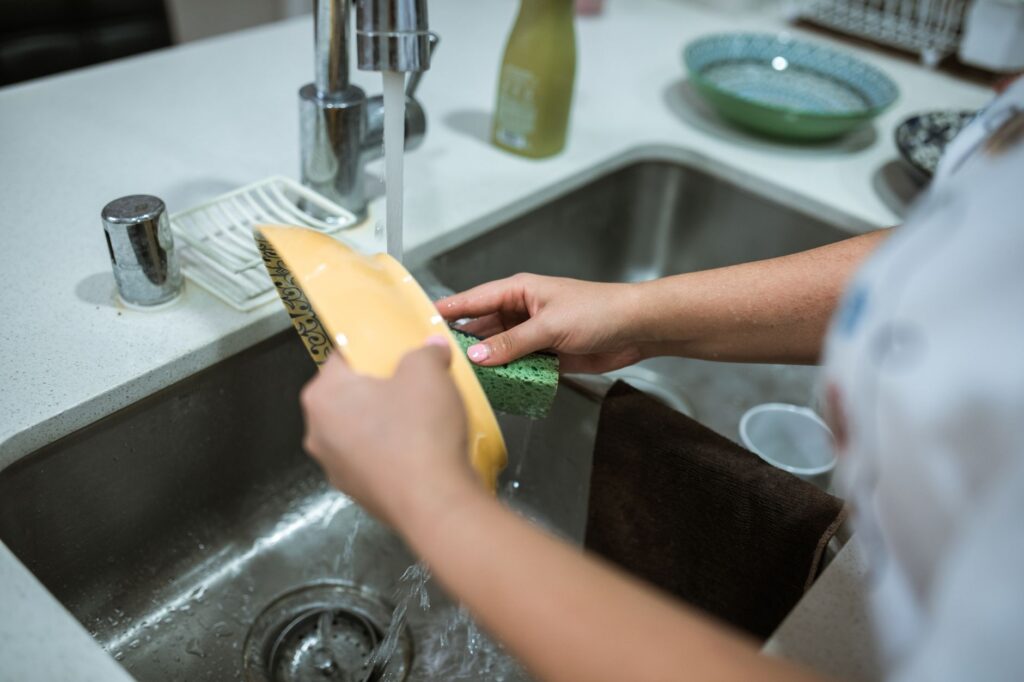
Smelly Dish Sponge Odours Guide Part 1
Introduction
If you’ve ever opened your kitchen sink cabinet and been met with a pungent smell, chances are your dish sponge is the culprit. A smelly dish sponge is not just unpleasant; it can also harbor bacteria that may affect your kitchen hygiene. In this guide, we’ll explore the causes of these odours, how to effectively eliminate them, and tips to keep your sponges fresh for longer.
What Causes Odours?
Dish sponges are breeding grounds for odours due to their porous nature and constant exposure to food particles and moisture. The main causes of odours include:
- Bacteria and Mold: Sponges can accumulate bacteria from leftover food, leading to foul smells.
- Food Particles: Bits of food trapped in the sponge can decay, contributing to bad odours.
- Moisture: A damp sponge is an ideal environment for bacteria and mold to flourish.
- Improper Cleaning: Many people don’t clean their sponges regularly, allowing bacteria to grow.
- Overuse: Using the same sponge for extended periods can trap more bacteria and smells.
- Wrong Storage: Storing sponges in confined spaces can keep them damp and odorous.
- Vinegar Solution: Mix equal parts of white vinegar and water in a bowl. Soak the sponge for 5-10 minutes.
- Baking Soda Paste: Mix baking soda with a little water to create a paste. Rub the paste on the sponge and let it sit for 5 minutes.
- Bleach Solution: If your sponge is white, you can soak it in a solution of 1 part bleach to 9 parts water for 5 minutes. Rinse thoroughly afterward.
- Microwave Method: Wet the sponge and microwave it on high for 1-2 minutes. This can kill bacteria and eliminate odours. Be cautious and let it cool before handling.
- Dishwasher Method: Place the sponge on the top rack of your dishwasher during a regular wash cycle. The heat and detergent will help clean it.
- Hydrogen Peroxide: Soak the sponge in hydrogen peroxide for 10 minutes, then rinse thoroughly.
- Neglecting Regular Cleaning: Don’t wait until the sponge smells. Clean it regularly, ideally every few days.
- Using a Sponge for Too Long: Replace your sponge every 1-2 weeks, depending on usage.
- Storing in a Closed Container: Avoid keeping sponges in a closed area. Let them breathe.
- Using the Same Sponge for Different Tasks: Have separate sponges for dishes and surfaces to prevent cross-contamination.
- Rinse After Use: Always rinse your sponge after washing dishes to remove food particles.
- Store Properly: Keep sponges in a dry and well-ventilated area. Consider using a sponge holder that allows air circulation.
- Rotate Sponges: If you use multiple sponges, rotate them regularly to prevent one from getting overly worn or soiled.
- Use a Sponge with Antimicrobial Properties: Some sponges are designed to resist bacteria growth, making them a better option for avoiding odours.
Understanding these causes is the first step toward effectively tackling the problem.
Why This Problem Happens
The kitchen is a high-activity zone where food and water are constantly interacting. Sponges are often left wet and neglected, making them susceptible to:
Recognizing these factors can help you address the root causes of sponge odours.
How to Fix Odours (Step-by-Step)
Here’s a straightforward method to eliminate odours from your dish sponge:
Step 1: Rinse Thoroughly
Start by rinsing your sponge under hot water to remove any loose debris or food particles.
Step 2: Soak in a Cleaning Solution
Prepare a cleaning solution using one of these options:
Step 3: Squeeze and Rinse
After soaking, squeeze the sponge several times to release any trapped dirt and cleaning solution. Rinse under running water until the water runs clear.
Step 4: Dry Completely
Place the sponge in a well-ventilated area or near a sunny window to dry completely. Ensure it’s not left in a damp environment.
Step 5: Check for Damage
Inspect the sponge for any signs of wear or damage. If it’s falling apart or too odorous after cleaning, it’s time to replace it.
Best Cleaning Methods
Different cleaning methods can be effective based on your preferences:
Choose the method that works best for you, considering convenience and sponge material.
Common Mistakes to Avoid
Avoid these pitfalls to ensure your sponges remain fresh and effective:
By steering clear of these mistakes, you can maintain a cleaner and fresher sponge.
Prevention Tips
Keeping your dish sponge odour-free requires proactive measures:
Implementing these tips can significantly extend the life of your sponge and keep odours at bay.
Frequently Asked Questions
1. How often should I replace my dish sponge?
Generally, you should replace your dish sponge every 1-2 weeks, depending on usage. If it starts to smell or shows visible wear, it’s time for a new one.
2. Can I use dish soap to clean my sponge?
While dish soap can help remove some grime, it may not be effective in killing bacteria. Pair it with other methods like vinegar or bleach for better results.
3. Is it safe to microwave my sponge?
Yes, microwaving a wet sponge for 1-2 minutes can kill bacteria. Ensure it’s fully wet and let it cool before handling, as it can become very hot.
4. Why does my sponge smell even after cleaning?
If your sponge continues to smell, it may be too worn out or damaged. Cleaning methods can help, but if it doesn’t improve, consider replacing it.
5. Can I wash my sponge in the washing machine?
Yes, you can wash sponges in the dishwasher or washing machine. Just ensure they are secured and won’t get damaged during the cycle.
6. How can I tell if my sponge is too old to use?
If your sponge is falling apart, has a persistent smell after cleaning, or feels slimy, it’s time to replace it.
Conclusion
A smelly dish sponge is a common household problem, but it’s manageable with the right techniques. By understanding the causes, following effective cleaning methods, and adopting preventive measures, you can keep your sponges fresh and your kitchen hygienic. Stay tuned for Part 2, where we’ll delve deeper into advanced cleaning techniques and sustainable sponge alternatives.