
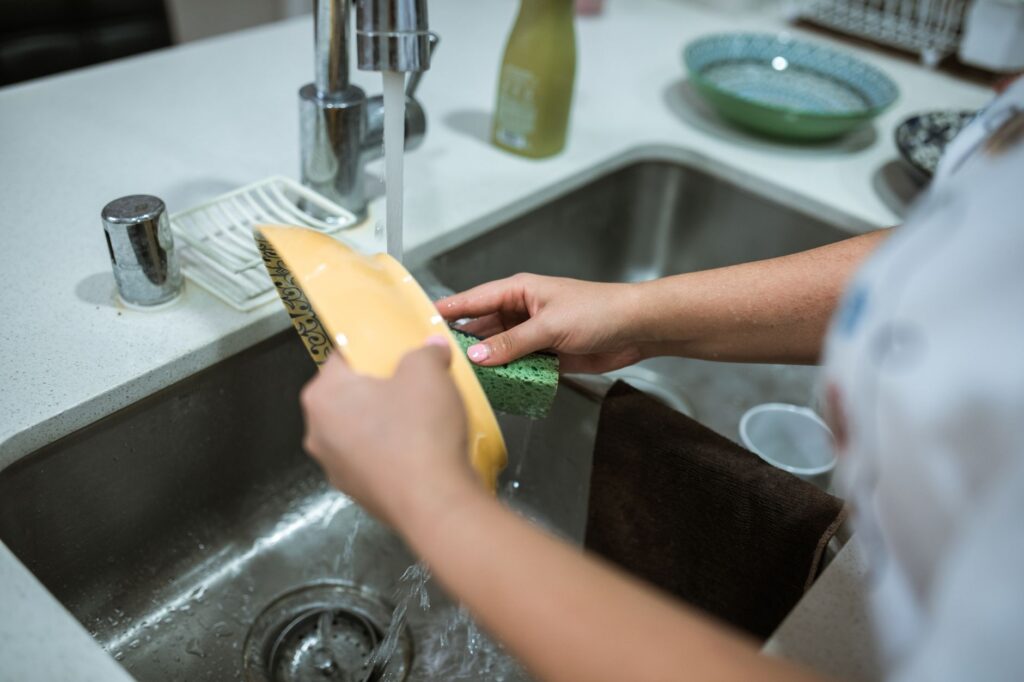
Smelly Dish Sponge Mould & Damp Guide Part 1
Introduction
A smelly dish sponge can be more than just an unpleasant sight—it can be a breeding ground for mould and damp. This guide aims to help you understand the causes of this problem and provides actionable steps to clean and prevent it. By the end, you’ll have the tools you need to maintain a fresh and hygienic kitchen sponge.
What Causes Mould & Damp?
Mould and damp in dish sponges are primarily caused by moisture, food particles, and lack of proper cleaning. Here are the main culprits:
- Moisture: Sponges are often wet, providing an ideal environment for mould to thrive.
- Food Residue: Bits of food trapped in the sponge attract bacteria and fungi.
- Poor Ventilation: Storing sponges in closed spaces can trap moisture, encouraging growth.
- Temperature: Warm environments accelerate bacterial growth.
- Visual Inspection: Check for visible signs of mould or discoloration.
- Smell Test: If it smells foul, it’s time for a thorough cleaning or replacement.
- For Mild Cases: If the sponge is still in good condition but smells:
- Rinse it thoroughly under hot water.
- Soak it in a mixture of equal parts white vinegar and water for 5-10 minutes.
- Rinse again and allow it to dry completely.
- For Severe Cases: If the sponge is heavily mouldy or has a persistent smell:
- It’s best to replace it entirely. While cleaning can help, a heavily soiled sponge may not be salvageable.
- Air Dry: Place the sponge in a well-ventilated area to dry completely after each use.
- Avoid Closed Spaces: Don’t store sponges in cabinets or containers that trap moisture.
Understanding these causes is crucial for taking preventive measures and ensuring your sponge remains in tip-top shape.
Why This Problem Happens
Sponges are designed to absorb water, which makes them great for cleaning but also great for fostering bacteria and mould when not properly cared for. Here’s why this problem escalates:
1. Frequency of Use: The more you use a sponge, the more it can accumulate food particles and moisture.
2. Infrequent Washing: Many people neglect to wash their sponges regularly, allowing bacteria to multiply.
3. Storage Practices: Not allowing sponges to dry out adequately after use creates a damp environment.
4. Ignoring Signs: A smelly sponge often indicates mould growth, yet many homeowners continue to use it instead of replacing or cleaning it.
How to Fix Mould & Damp (Step-by-Step)
If you’ve discovered mould or a damp smell in your sponge, follow these steps to address the issue effectively:
Step 1: Assess the Condition
Step 2: Clean or Replace
Step 3: Drying
Best Cleaning Methods
To keep your sponges clean and fresh, consider these effective methods:
Method 1: Microwave
1. Wet the sponge thoroughly.
2. Place it in the microwave on a microwave-safe plate.
3. Heat for 1-2 minutes on high.
4. Allow it to cool before removing.
Method 2: Dishwasher
1. Place the sponge on the top rack of the dishwasher.
2. Run a regular cycle with detergent.
3. Allow it to air dry post-wash.
Method 3: Bleach Solution
1. Mix one part bleach to ten parts water in a bowl.
2. Soak the sponge for 5 minutes.
3. Rinse thoroughly to remove any bleach residue.
Method 4: Baking Soda Paste
1. Mix baking soda with water to create a paste.
2. Scrub the sponge with the paste.
3. Rinse well and allow to dry.
Common Mistakes to Avoid
To ensure your sponge remains clean and free from mould, avoid these common pitfalls:
1. Not Washing Regularly: Aim to wash your sponge at least once a week.
2. Ignoring Smells: Don’t wait for a strong odour—act as soon as you notice any scent.
3. Storing Wet Sponges: Always allow sponges to dry completely before storage.
4. Using Old Sponges: If a sponge is frayed, discolored, or has an unremovable smell, replace it.
5. Using for All Surfaces: Avoid using the same sponge for dishes and wiping down surfaces to reduce cross-contamination.
Prevention Tips
Keeping your dish sponge free of mould and damp is easier than you might think. Here are some practical tips:
1. Regular Washing: Clean your sponge weekly using one of the methods described above.
2. Proper Storage: Store sponges in a dry, open area rather than closed containers.
3. Use Multiple Sponges: Rotate between a few sponges to allow them to dry out fully.
4. Limit Food Contact: Rinse sponges immediately after use to minimize food residue.
5. Use a Sponge Holder: Consider a holder that allows for drainage and airflow.
Frequently Asked Questions
1. How often should I replace my dish sponge?
It’s advisable to replace your dish sponge every 2-4 weeks, depending on usage.
2. Can I wash my sponge in the washing machine?
Yes, you can wash it in the dishwasher, but avoid the washing machine as it may not clean effectively.
3. Is it safe to use a sponge that has mould?
Using a mouldy sponge is not safe. It can transfer bacteria and pathogens to your dishes.
4. What’s the best way to store my sponges?
Store them in a dry, well-ventilated area, preferably in a holder that allows for air circulation.
5. Can I use vinegar to kill mould?
Yes, vinegar is effective against mould. Soaking the sponge in vinegar and water can help eliminate it.
6. Are there any sponges that resist mould?
Yes, some sponges are made with antimicrobial materials designed to resist mould and odour.
By following this guide, you can effectively manage and prevent mould and damp in your dish sponges, ensuring a cleaner and healthier kitchen. Keep your sponges fresh, and your cleaning routine will become much more effective!