
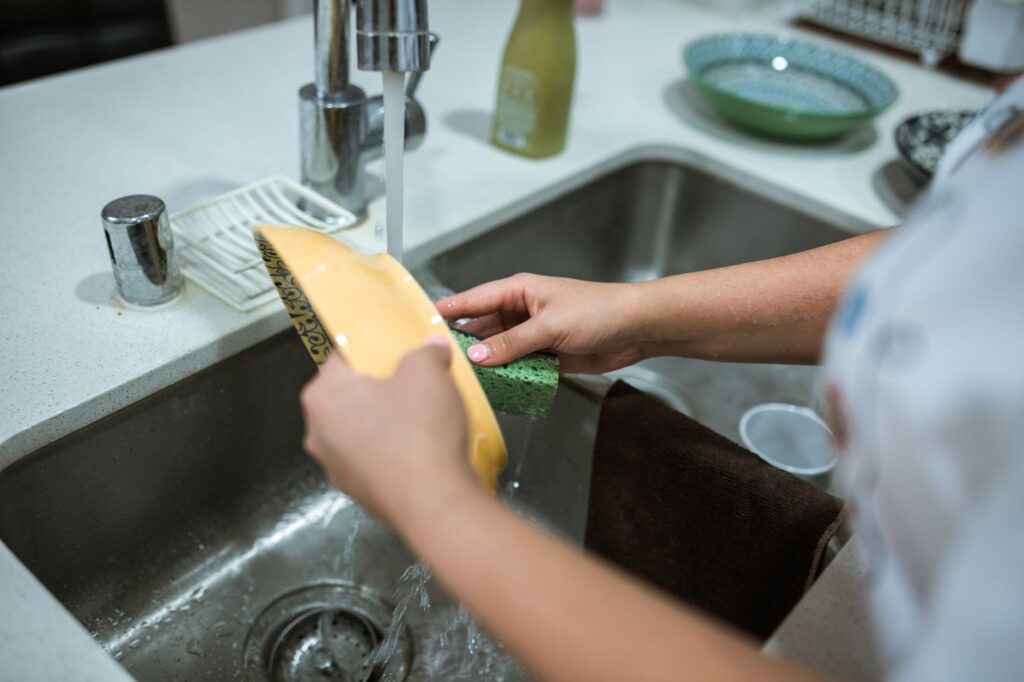
Smelly Dish Sponge Kitchen Guide Part 1
Introduction
A smelly dish sponge can turn your kitchen into an unpleasant environment. It’s not just about the odor; it can also harbor bacteria that may contaminate your dishes. In this guide, we will tackle the causes behind smelly sponges, provide effective cleaning methods, and share tips for prevention. Let’s dive into the nitty-gritty of keeping your kitchen fresh and hygienic.
What Causes Kitchen Sponges to Smell?
Kitchen sponges absorb food particles, grease, and moisture, creating an ideal environment for bacteria and mold to thrive. The main culprits behind the foul smell include:
- Food Residue: Bits of food trapped in the sponge can start to decompose.
- Moisture: Sponges retain water, which promotes bacterial growth.
- Bacteria and Mold: Certain types of bacteria produce sulfur compounds that emit bad odors.
- Microwave Method: Wet the sponge and place it in the microwave on high for 1-2 minutes. Make sure it’s damp to prevent burning.
- Bleach Solution: Mix one part bleach with nine parts water. Soak the sponge for five minutes, then rinse thoroughly.
- Vinegar Soak: Submerge the sponge in white vinegar for at least 30 minutes. Rinse afterward.
- How to Use: Dampen the sponge, place it in the microwave, and heat for 1-2 minutes. This method kills 99% of germs.
- Pros: Fast and effective.
- Cons: Not suitable for sponges with metal parts.
- How to Use: Soak the sponge in equal parts white vinegar and water for 30 minutes. Rinse afterward.
- Pros: Natural and non-toxic.
- Cons: May not eliminate all odors.
- How to Use: Soak the sponge in a bleach solution for five minutes, then rinse well.
- Pros: Effective at killing bacteria.
- Cons: Strong smell and may damage some sponge materials.
- How to Use: Place the sponge on the top rack of your dishwasher during a hot wash cycle.
- Pros: Convenient and thorough.
- Cons: Not all sponges are dishwasher-safe.
Understanding these causes is the first step in effectively addressing the issue.
Why This Problem Happens
Several factors contribute to the development of smelly sponges:
1. Improper Rinsing: Failing to thoroughly rinse the sponge after use allows food particles to linger.
2. Infrequent Cleaning: Neglecting to clean your sponge regularly fosters bacterial growth.
3. Poor Drying: Leaving sponges in damp areas of the kitchen prevents them from drying out, encouraging odor.
4. Type of Sponge: Some sponges are made from materials that are more prone to retaining odors.
By recognizing these factors, you can take proactive measures to prevent odors from developing.
How to Fix Kitchen Sponges (Step-by-Step)
Step 1: Rinse Thoroughly
After every use, rinse the sponge under hot water to remove food particles. Squeeze it several times to ensure all residue is washed away.
Step 2: Disinfect
Disinfecting your sponge is essential. You can choose one of the following methods:
Step 3: Dry Properly
After cleaning, make sure to wring out the sponge and place it in a well-ventilated area to dry completely. Avoid leaving it in a damp sink or container.
Step 4: Replace Regularly
No matter how well you clean it, sponges should be replaced every 2-4 weeks to prevent bacteria buildup.
Best Cleaning Methods
Microwave Cleaning
Vinegar Cleaning
Bleach Cleaning
Dishwasher Cleaning
Common Mistakes to Avoid
1. Ignoring Regular Cleaning: Skipping regular cleanings will lead to persistent odors and bacteria buildup.
2. Using a Sponge for Too Long: Holding onto a sponge for too long can make it a breeding ground for germs.
3. Not Rinsing Properly: Failing to rinse the sponge after each use allows food particles to remain.
4. Storing in Damp Areas: Leaving sponges in wet places prevents them from drying and promotes odor.
5. Using the Wrong Cleaning Method: Not all sponges can withstand microwave or bleach treatments. Always check the manufacturer’s recommendations.
Prevention Tips
1. Rinse After Use: Always rinse your sponge thoroughly after washing dishes.
2. Use Multiple Sponges: Consider using separate sponges for different tasks, such as washing dishes and cleaning surfaces.
3. Air Dry: Store sponges in a well-ventilated area to ensure they dry completely.
4. Rotate Sponges: Use multiple sponges and rotate them to allow each one ample time to dry out.
5. Consider Alternatives: Look into using dishcloths or silicone scrubbers, which may be easier to clean and less prone to odors.
Frequently Asked Questions
1. How often should I replace my dish sponge?
It’s best to replace your sponge every 2-4 weeks, depending on usage.
2. Can I use the microwave cleaning method on all sponges?
No, avoid using the microwave on sponges with metal components.
3. What should I do if my sponge still smells after cleaning?
If the smell persists, it’s time to replace the sponge. Sometimes, odors can be ingrained and difficult to eliminate.
4. Are there sponges that are less prone to odor?
Yes, look for antimicrobial sponges designed to resist odors and bacteria.
5. Can I use vinegar and baking soda together to clean my sponge?
Using vinegar and baking soda together can create a fizzing reaction, which may help with cleaning, but it’s best to rinse thoroughly afterward.
6. Is it safe to use bleach on my sponge?
Yes, but be sure to rinse thoroughly afterward to avoid any residual bleach, and use it sparingly to prevent damage.
By following these guidelines, you can keep your kitchen sponges fresh and odor-free, ensuring a cleaner and more hygienic cooking environment. Stay tuned for Part 2, where we’ll dive deeper into the best practices for maintaining a clean kitchen.