
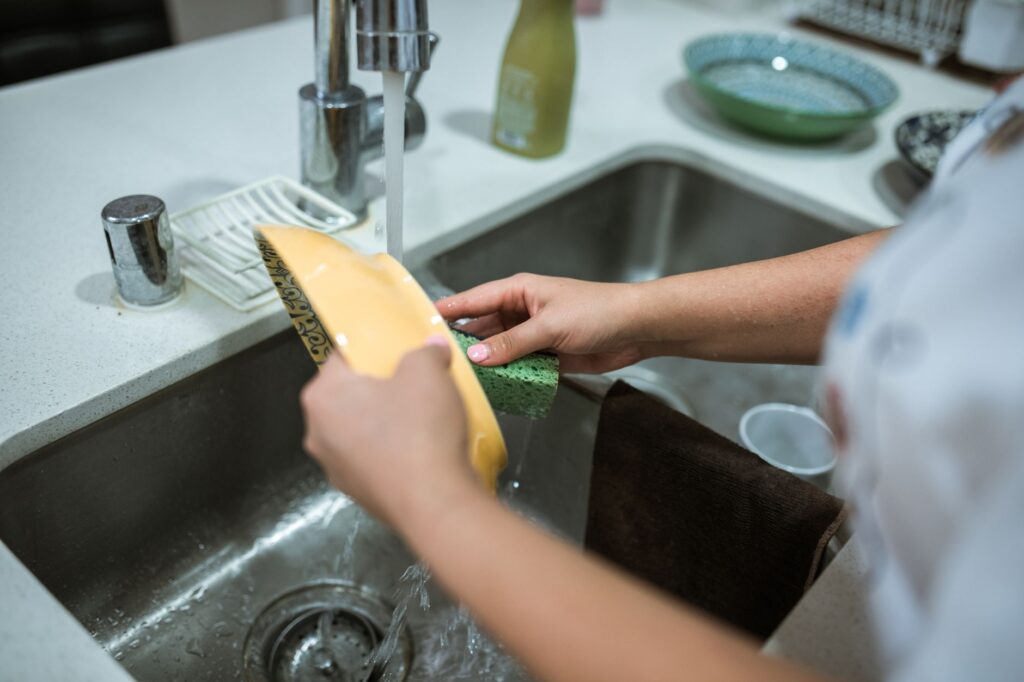
Smelly Dish Sponge Cleaning Guide Part 1
Introduction
A smelly dish sponge can turn your kitchen from a welcoming space into a source of unpleasant odors. Sponges, although essential for cleaning, can harbor bacteria and food particles that lead to awful smells. This guide will help you understand the causes of the odor, how to clean your sponge effectively, and steps to prevent it from happening again.
What Causes Cleaning?
The primary cause of a smelly dish sponge is the accumulation of bacteria. When you use a sponge to clean dishes, it absorbs food particles, grease, and moisture. These conditions are perfect for bacteria to thrive. Common bacteria that can grow on sponges include:
- E. coli: Often found in food remnants.
- Salmonella: Can come from raw meat and poultry.
- Staphylococcus: Commonly found on skin and can transfer to sponges during usage.
- For Quick Results: The microwave method is fast and kills most bacteria.
- For Persistent Odors: Baking soda is excellent for neutralizing smells.
- For Natural Cleaning: Vinegar is an effective, non-toxic option.
These bacteria not only cause unpleasant odors but can also pose health risks.
Why This Problem Happens
There are several reasons why your sponge may develop an odor:
1. Moisture: Sponges retain water, creating a humid environment ideal for bacteria.
2. Food Residue: Bits of food trapped in the sponge can decompose and contribute to foul smells.
3. Infrequent Cleaning: Regular cleaning of your sponge is often overlooked, allowing bacteria to flourish.
4. Poor Drying: Not allowing your sponge to dry completely between uses can exacerbate the problem.
Understanding these causes is the first step to effective cleaning and prevention.
How to Fix Cleaning (Step-by-Step)
Step 1: Assess the Condition of Your Sponge
Check if your sponge is beyond saving. If it’s discolored, falling apart, or has an unpleasant texture, it might be time to replace it.
Step 2: Rinse Thoroughly
Before applying any cleaning method, rinse your sponge under hot water to remove loose debris and food particles. This initial rinse will help in the cleaning process.
Step 3: Choose a Cleaning Method
You can choose from several effective cleaning methods:
Method 1: Microwave Cleaning
1. Wet the Sponge: Ensure it’s damp but not dripping.
2. Microwave: Place the sponge in the microwave for 1-2 minutes.
3. Cool Down: Let it cool before removing, as it will be hot.
Method 2: Vinegar Soak
1. Mix Solution: Combine equal parts white vinegar and water.
2. Soak: Submerge the sponge in the mixture for 5-10 minutes.
3. Rinse: Rinse thoroughly with hot water.
Method 3: Baking Soda Scrub
1. Sprinkle: Apply baking soda generously to the damp sponge.
2. Scrub: Work the baking soda into the sponge.
3. Rinse: Rinse with hot water to remove the baking soda.
Step 4: Dry Thoroughly
After cleaning, squeeze out excess water and place the sponge in a well-ventilated area to dry completely. Avoid leaving it in a closed container or on a wet surface.
Best Cleaning Methods
While all the methods mentioned above are effective, some may work better for your specific situation:
Experiment with these methods to find which one works best for you.
Common Mistakes to Avoid
1. Not Rinsing: Skipping the rinse step before cleaning can leave debris that can continue to smell.
2. Using a Dry Sponge: Always wet your sponge before microwaving; a dry sponge can catch fire.
3. Neglecting Drying: Failing to dry your sponge can lead to quicker regrowth of bacteria.
4. Ignoring Replacement: If your sponge is stained or falling apart, it’s time for a new one.
Prevention Tips
To keep your sponge fresh and odor-free, implement these practices:
1. Regular Cleaning: Clean your sponge at least once a week using one of the methods described above.
2. Rotate Sponges: Use multiple sponges and rotate them to allow each to dry thoroughly.
3. Use Hot Water: When washing dishes, use hot soapy water, which can help minimize bacteria on the sponge.
4. Store Properly: Keep your sponge in a dry, well-ventilated area.
5. Replace Regularly: Replace sponges every 2-4 weeks, depending on usage.
Frequently Asked Questions
1. How often should I clean my dish sponge?
Aim to clean your sponge at least once a week. If it smells, clean it immediately.
2. Can I sanitize my sponge in the dishwasher?
Yes! Place your sponge on the top rack of your dishwasher and run a hot cycle.
3. Is it safe to use a sponge that smells bad?
It’s best to avoid using a smelly sponge, as it may harbor harmful bacteria.
4. Can I use bleach to clean my sponge?
While diluted bleach can be effective, it may not be necessary. Opt for vinegar or baking soda for a safer, natural alternative.
5. How can I tell if my sponge is too old to use?
If your sponge is discolored, smells bad after cleaning, or shows signs of wear, it’s time to replace it.
6. What’s the best way to store my sponge?
Store your sponge in a dry, well-ventilated area away from moisture to prevent bacteria growth.
By following this guide, you can tackle the problem of smelly dish sponges effectively, ensuring a cleaner and healthier kitchen environment. Stay tuned for Part 2, where we’ll dive deeper into advanced cleaning techniques and additional tips!