
Sink Odor Removal: Odours Guide Part 1
Introduction
Dealing with unpleasant odors from your sink can be frustrating. Not only do these smells linger, but they can also affect the overall atmosphere of your kitchen or bathroom. In this guide, we’ll explore the common causes of sink odors, how to fix them, and preventative measures to keep your sink smelling fresh.
What Causes Odours?
Several factors contribute to the foul smells emanating from your sink. Here are some of the most common culprits:
1. Food Debris: Bits of food that get trapped in the drain can decompose, leading to unpleasant odors.
2. Grease Buildup: Over time, grease can accumulate in your pipes, creating a breeding ground for bacteria.
3. Trapped Water: Standing water in P-traps can become stagnant, leading to bad smells.
4. Mold and Mildew: Moisture can create an environment for mold and mildew, especially in sinks that aren’t used frequently.
5. Sewer Gas: A dry P-trap can allow sewer gas to escape into your home, causing strong odors.
Why This Problem Happens
Understanding why odors occur can help you tackle the root of the issue. Here are some key reasons:
- Neglected Cleaning: Regular cleaning prevents food particles and grease buildup.
- Improper Use: Pouring grease or non-biodegradable items down the drain can exacerbate problems.
- Old Plumbing: Deteriorating pipes can harbor smells and bacteria.
- Lack of Maintenance: A neglected sink can develop multiple issues over time, including clogs and odors.
- Baking soda
- White vinegar
- Dish soap
- Hot water
- A brush or toothbrush
- A bucket or bowl
How to Fix Odours (Step-by-Step)
Follow these step-by-step instructions to eliminate sink odors effectively.
Step 1: Gather Your Supplies
You’ll need:
Step 2: Clear the Drain
1. Remove any visible debris from the sink.
2. If you have a garbage disposal, run it with cold water to clear out any food particles.
Step 3: Use Baking Soda and Vinegar
1. Pour about half a cup of baking soda down the drain.
2. Follow it with half a cup of white vinegar.
3. Let the mixture fizz for 10-15 minutes to break down any buildup.
Step 4: Flush with Hot Water
1. Boil a kettle of water.
2. Carefully pour the hot water down the drain to flush out any remaining debris.
Step 5: Clean the Sink and Surrounding Areas
1. Mix a few drops of dish soap with warm water.
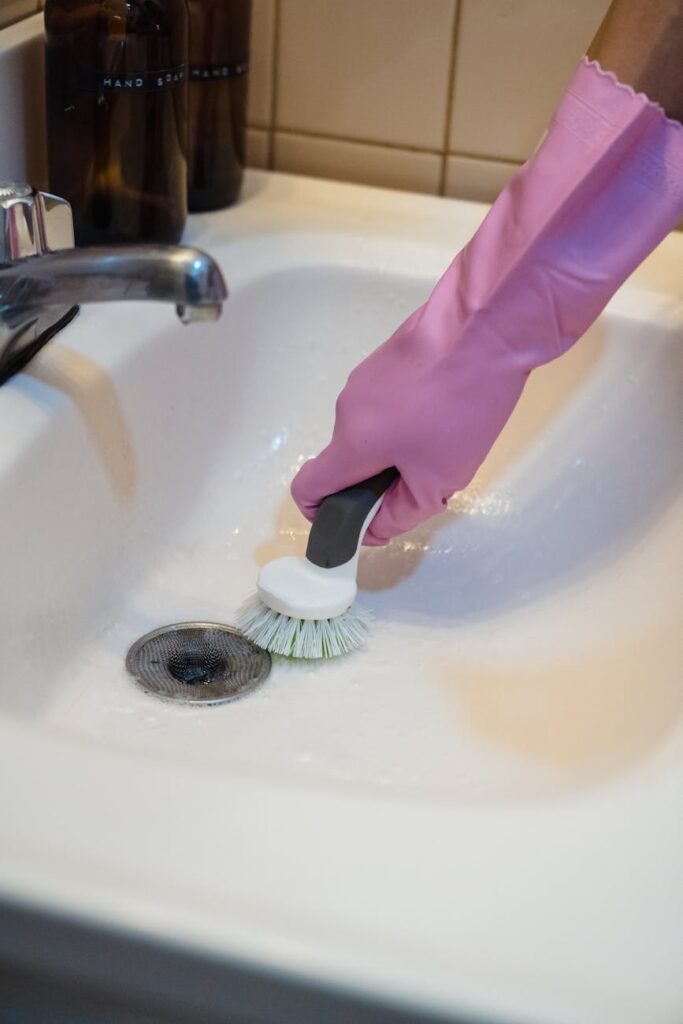
2. Use a brush or toothbrush to scrub the sink and the faucet, paying special attention to any crevices.
Step 6: Rinse Thoroughly
1. Rinse your sink with warm water to remove any soap residue.
2. Finally, run the garbage disposal with cold water for a minute to ensure everything is clear.
Best Cleaning Methods
The following methods are effective for maintaining a fresh-smelling sink:
1. Regular Baking Soda and Vinegar Treatment: Once a month, repeat the baking soda and vinegar treatment to prevent buildup.
2. Dish Soap and Hot Water: Running hot, soapy water through your sink regularly can help break down grease.
3. Commercial Drain Cleaners: If odors persist, consider using a commercial drain cleaner, but follow the instructions carefully.
4. Hydrogen Peroxide: For more stubborn odors, pour a small amount of hydrogen peroxide down the drain to disinfect.
Common Mistakes to Avoid
When dealing with sink odors, avoid these pitfalls:
1. Ignoring Regular Maintenance: Skipping regular cleaning can lead to more significant problems.
2. Using Too Much Chemical Cleaner: Excessive use can harm your plumbing and create more issues.
3. Pouring Grease Down the Drain: This common mistake leads to buildup and odors.
4. Not Running Water Regularly: If you have a sink you don’t use often, make sure to run water through it occasionally to keep the P-trap filled.
Prevention Tips
Preventing odors from returning is key to maintaining a fresh sink:
1. Run Hot Water Regularly: After washing dishes, run hot water to flush out grease.
2. Use a Sink Strainer: Prevent food debris from going down the drain by using a sink strainer.
3. Avoid Chemical Drain Cleaners: These can cause damage over time; instead, use natural methods.
4. Keep the Sink Dry: Wipe down your sink after use to prevent mildew growth.
Frequently Asked Questions
1. How often should I clean my sink to prevent odors?
Aim for a weekly cleaning routine, with a deeper clean using baking soda and vinegar once a month.
2. Can I use essential oils to eliminate odors?
Yes, adding a few drops of essential oils to your cleaning routine can help mask odors, but it’s essential to address the root cause first.
3. What should I do if the odor persists after cleaning?
If odors continue, consider checking your plumbing for clogs or leaks, or hire a professional plumber for a thorough inspection.
4. Is it safe to use bleach in my sink?
While bleach can disinfect, it can also harm your plumbing and should be used sparingly and with caution.
5. Can I pour boiling water down the drain?
Yes, boiling water can help dissolve grease and food particles, but avoid pouring it down PVC pipes, as it may cause damage.
6. Why does my sink smell like rotten eggs?
A rotten egg smell often indicates a gas leak or a problem with your sewer system. If you notice this odor, contact a plumber immediately for safety.
By following these steps and tips, you can tackle sink odors effectively and keep your home smelling fresh. Stay tuned for Part 2 of our Sink Odor Removal Guide, where we will delve deeper into advanced cleaning techniques and solutions.