
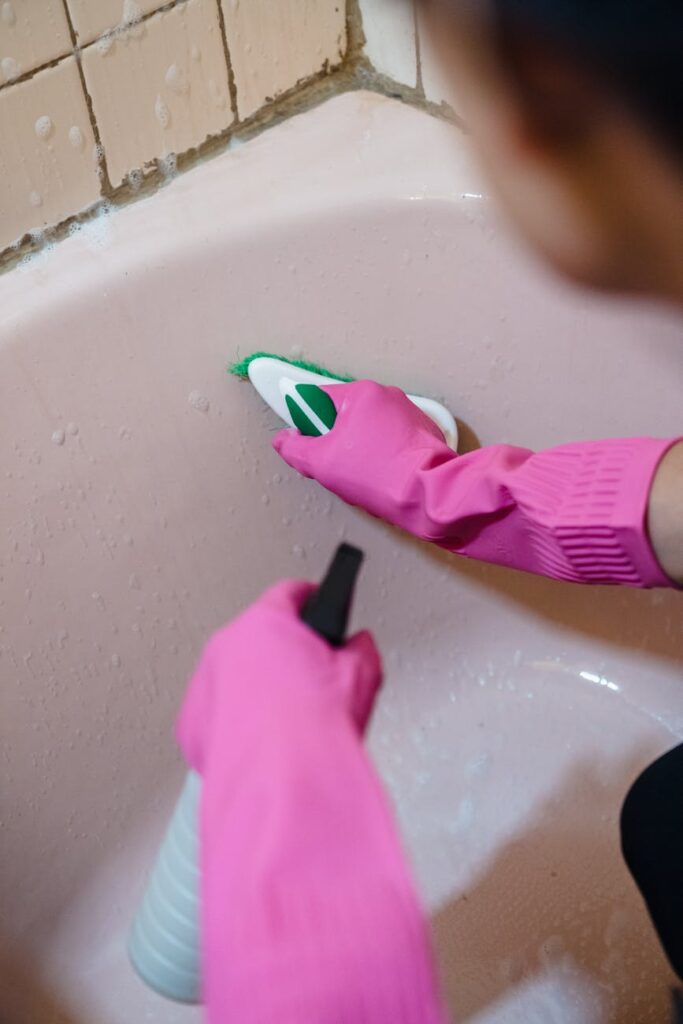
Sink Mold Removal Odours Guide Part 1
Introduction
Dealing with unpleasant odours in your sink can be frustrating. These smells often signal the presence of mold, mildew, or trapped food particles. Fortunately, removing these odours is possible with the right approach. This guide will walk you through understanding the causes, fixing the problem, and preventing it from returning.
What Causes Odours?
Several factors contribute to odours in your sink. Common culprits include:
1. Food Residue: Bits of food can get trapped in the sink drain, leading to decay and foul smells.
2. Mold and Mildew: Moist environments, like sinks, can foster mold growth, which produces a musty scent.
3. Bacteria: Bacteria thrive in damp, organic matter, creating unpleasant odours.
4. Clogged Drains: A blockage can trap debris and create a breeding ground for odors.
5. Water Quality: Hard water or water with high mineral content can also cause odours.
Why This Problem Happens
Understanding the root causes of sink odours can help you tackle the problem effectively. Here are some reasons why your sink might be emitting unpleasant smells:
- Poor Ventilation: If air doesn’t circulate well around your sink, moisture builds up, promoting mold growth.
- Old Plumbing: Aging pipes can harbor residues and bacteria that cause odours.
- Neglect: Regular cleaning is crucial. Skipping this task allows food particles and bacteria to accumulate.
- Infrequent Use: Sinks that aren’t used often can develop stagnant water, leading to musty smells.
- Baking soda
- White vinegar
- Dish soap
- A toothbrush or scrub brush
- A mop or cloth
- Hot water
- A bucket
How to Fix Odours (Step-by-Step)
Removing odours from your sink requires a systematic approach. Follow these steps to eliminate the problem effectively:
Step 1: Gather Your Supplies
You’ll need:
Step 2: Clear the Area
Remove any items from the sink area. This makes it easier to access the sink and prevents anything from getting wet.
Step 3: Clean the Sink Basin
1. Rinse the Sink: Start by rinsing the sink with hot water to loosen any debris.
2. Apply Dish Soap: Use a sponge or cloth to scrub the basin with dish soap. Focus on corners and any areas with visible grime.
3. Rinse Thoroughly: Rinse the sink again with hot water.
Step 4: Address the Drain
1. Baking Soda: Pour about half a cup of baking soda down the drain. This helps neutralize odours.
2. Vinegar: Follow the baking soda with half a cup of white vinegar. You’ll notice fizzing, which is a good sign that it’s working.
3. Wait: Let the mixture sit for 15-30 minutes to break down any build-up.
4. Flush with Hot Water: After waiting, flush the drain with hot water to wash away any remaining residue.
Step 5: Scrub the Drain
Using a toothbrush or scrub brush, gently scrub around the drain area. This helps remove any stubborn grime that may be contributing to the odour.
Step 6: Final Rinse
Rinse the sink again with hot water to ensure everything is clean.
Best Cleaning Methods
While the baking soda and vinegar method is highly effective, there are other options to consider:
1. Commercial Cleaners: Look for enzyme-based cleaners specifically designed for drains. These can be very effective at breaking down organic matter.
2. Hydrogen Peroxide: This can be used in place of vinegar for a stronger disinfectant effect.
3. Essential Oils: Adding a few drops of essential oil (like tea tree or lemon) to your cleaning routine can help mask odours and provide additional antibacterial properties.
Common Mistakes to Avoid
While cleaning your sink, be mindful of these common pitfalls:
1. Using Harsh Chemicals: Avoid bleach or ammonia-based cleaners, which can create harmful fumes and damage your plumbing.
2. Neglecting the Garbage Disposal: If your sink has a garbage disposal, be sure to clean it regularly, as it can be a significant source of odours.
3. Infrequent Cleaning: Don’t wait for a smell to develop before you clean. Regular maintenance is key.
4. Ignoring Drain Covers: Ensure your sink has a drain cover to catch food particles and prevent build-up.
Prevention Tips
Preventing odours in your sink is easier than you might think. Here’s how you can keep your sink smelling fresh:
1. Regular Cleaning: Establish a weekly cleaning routine for your sink. This will help prevent food build-up and mold growth.
2. Use Hot Water: Rinse your sink with hot water daily to help dislodge any trapped particles.
3. Keep the Area Dry: Wipe down the sink and surrounding areas after use to reduce moisture.
4. Use Baking Soda Regularly: A monthly application of baking soda can help neutralize any potential odours before they start.
5. Ventilation: Ensure your kitchen is well-ventilated to reduce humidity levels.
6. Check For Clogs: Regularly check your drain for clogs and clear them promptly.
Frequently Asked Questions
1. How often should I clean my sink to prevent odours?
Aim to clean your sink at least once a week to prevent build-up and maintain freshness.
2. Can I use bleach to clean my sink?
It’s not recommended. Bleach can create harmful fumes and damage plumbing. Stick to milder cleaners.
3. What if the odour persists after cleaning?
If the smell persists, consider checking for hidden clogs or plumbing issues that may need professional attention.
4. Are there any natural alternatives to commercial cleaners?
Yes, baking soda, vinegar, and essential oils are effective natural alternatives for cleaning and deodorizing your sink.
5. How can I keep my garbage disposal from smelling?
Regularly clean your garbage disposal with ice cubes and citrus peels to help eliminate odours.
6. Can hard water contribute to sink odours?
Yes, hard water can lead to mineral build-up, which can contribute to unpleasant smells. Regular descaling can help.
By following these steps and tips, you can effectively remove sink mold odours and keep your kitchen smelling fresh. Stay tuned for Part 2, where we’ll discuss more advanced cleaning techniques and common problems related to sink mold.