
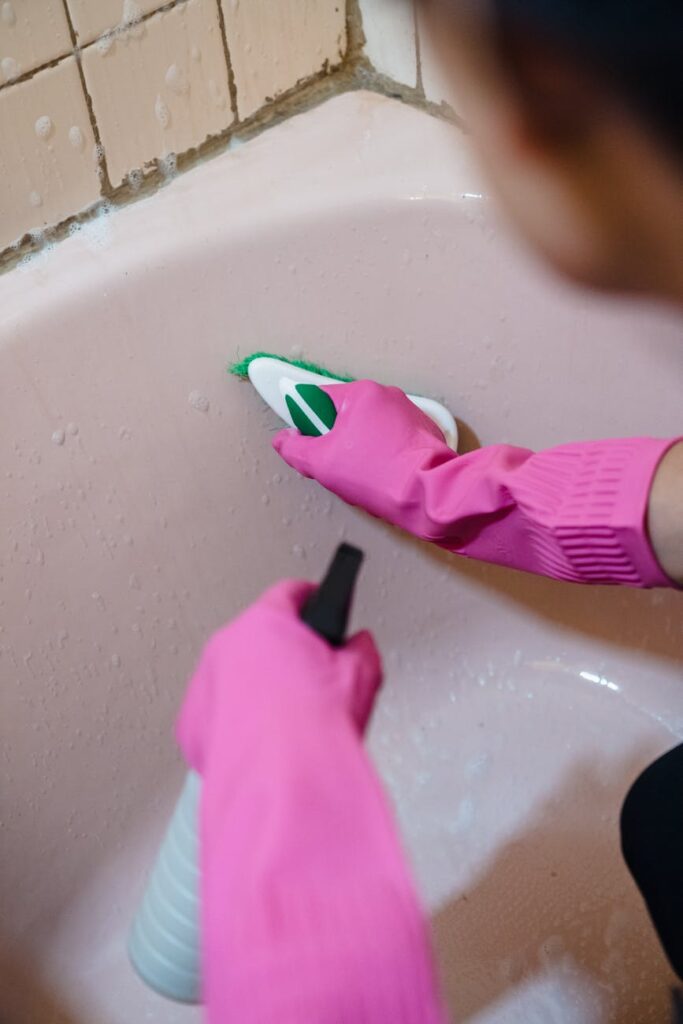
Sink Mold Removal Mould & Damp Guide Part 1
Introduction
Mould and dampness in sinks are common problems in many homes, often leading to unsightly stains and unpleasant odors. Not only can they affect the aesthetic of your kitchen or bathroom, but they can also pose cleaning challenges. This guide will provide practical steps for identifying, removing, and preventing mould and damp in your sinks, ensuring a cleaner and healthier home environment.
What Causes Mould & Damp?
Mould thrives in moist environments, making sinks a perfect breeding ground. The main causes of mould and damp in sinks include:
1. Water Accumulation: Leaky faucets or drips can create standing water, providing an ideal habitat for mould.
2. Poor Ventilation: Bathrooms and kitchens without proper airflow can trap humidity, fostering mould growth.
3. Organic Material: Food residues or organic debris left in the sink can feed mould spores.
4. Temperature Fluctuations: Warm, humid air condensing in cooler areas can create damp spots.
Understanding these causes is the first step in effectively tackling mould and damp issues.
Why This Problem Happens
Mould and damp can develop due to a combination of factors:
- Humidity Levels: High indoor humidity (above 60%) increases the likelihood of mould growth.
- Infrequent Cleaning: Regular cleaning prevents mould spores from settling and growing.
- Neglected Repairs: Unattended leaks or plumbing issues can exacerbate damp conditions.
- Seasonal Changes: Wet weather can lead to increased indoor moisture.
- Rubber gloves
- Mask (to avoid inhaling spores)
- Scrub brush or sponge
- Bucket
- Vinegar or a commercial mould cleaner
- Baking soda (optional)
- Spray bottle
- Pour vinegar directly onto the mouldy areas.
- Let it sit for at least 30 minutes.
- Mix baking soda with water to form a paste.
- Apply it to stubborn mould spots.
Addressing these contributing factors is essential for effective mould removal and prevention.
How to Fix Mould & Damp (Step-by-Step)
Step 1: Gather Your Supplies
Before beginning, gather the necessary cleaning supplies:
Step 2: Prepare the Area
1. Turn Off Water Supply: Ensure no water is running while you clean.
2. Clear the Sink: Remove any dishes, food, or debris.
3. Ventilate: Open windows or use a fan to improve airflow.
Step 3: Apply Cleaning Solution
1. Vinegar Method:
2. Baking Soda Paste (optional):
Step 4: Scrub the Affected Areas
Use a scrub brush or sponge to scrub away the mould. Apply more cleaning solution if necessary. Be thorough, especially in corners and crevices.
Step 5: Rinse and Dry
1. Rinse the sink with warm water.
2. Wipe down with a clean, dry cloth to remove moisture.
Step 6: Inspect and Repair
Check for any leaks or damages. If you find any, repair them promptly to prevent future mould growth.
Best Cleaning Methods
1. Vinegar: A natural disinfectant that effectively kills mould spores.
2. Baking Soda: Safe and effective for scrubbing surfaces without scratching.
3. Commercial Mould Cleaners: For severe cases, consider using a commercially available mould remover.
Note: Always follow the manufacturer’s instructions when using commercial products.
Common Mistakes to Avoid
1. Ignoring Leaks: Always address plumbing issues promptly to prevent damp accumulation.
2. Not Ventilating: Failing to ventilate can trap moisture, worsening the problem.
3. Using Too Much Water: Excess water during cleaning can contribute to damp conditions; always dry surfaces thoroughly.
4. Neglecting Regular Cleaning: Make cleaning part of your routine to prevent mould build-up.
Prevention Tips
1. Regular Cleaning: Clean your sink at least once a week using vinegar or baking soda.
2. Fix Leaks Promptly: Regularly inspect your faucets and pipes for leaks.
3. Improve Ventilation: Use exhaust fans in kitchens and bathrooms to reduce humidity.
4. Use Dehumidifiers: In high-humidity areas, consider using a dehumidifier to control moisture levels.
5. Seal Grout and Tiles: If your sink area has grout or tiles, seal them to prevent moisture penetration.
Frequently Asked Questions
1. How can I tell if I have mould in my sink?
Look for black or green spots, unpleasant odors, or a musty smell. You may also notice staining around the sink area.
2. Is vinegar effective against all types of mould?
Vinegar is effective against most household moulds but may not eliminate all types. For stubborn mould, consider using a stronger commercial cleaner.
3. Can I use bleach to clean mould?
While bleach can kill mould, it can also damage surfaces and is not always effective on porous materials. Opt for vinegar or commercial mould cleaners for safer options.
4. How often should I clean my sink to prevent mould?
Aim to clean your sink at least once a week to prevent mould and dampness.
5. What should I do if mould keeps returning?
If mould keeps returning, check for hidden leaks, improve ventilation, and consider consulting a professional for further inspection.
6. Are there any natural alternatives to commercial mould removers?
Yes, vinegar, baking soda, and hydrogen peroxide are effective natural mould removers.
By following this guide, you can tackle mould and damp issues in your sinks effectively. Regular maintenance and cleaning will not only keep your sink looking good but also contribute to a healthier home environment.