
Sink Mold Removal Kitchen Guide Part 1
Introduction
Mold in the kitchen, particularly around the sink, is a common issue that many homeowners face. It not only affects the appearance of your kitchen but can also pose a health risk if left untreated. This guide will provide you with practical solutions to effectively remove mold from your kitchen sink and prevent it from returning.
What Causes Kitchen Mold?
Mold thrives in damp, dark environments, making the kitchen sink an ideal breeding ground. Here are some common causes of mold growth in this area:
1. Moisture: Constant exposure to water from washing dishes or food preparation creates a humid environment.
2. Food Particles: Leftover food scraps can provide a nutrient source for mold.
3. Poor Ventilation: Insufficient airflow can trap moisture, making it harder for the area to dry out.
4. Leaky Pipes: Hidden leaks can create ongoing dampness, promoting mold growth.
Why This Problem Happens
Understanding why mold develops in your kitchen sink is essential for effective removal and prevention. Mold spores are present everywhere, but they require specific conditions to grow. The combination of moisture, food sources, and inadequate ventilation creates a perfect storm for mold proliferation.
How to Fix Kitchen Mold (Step-by-Step)
Removing mold from your kitchen sink requires a straightforward approach. Follow these steps for effective cleanup:
Step 1: Gather Your Supplies
Before you start, gather the following materials:
- Rubber gloves
- Sponge or scrub brush
- Bucket
- Cleaning solution (vinegar, baking soda, or commercial mold remover)
- Spray bottle
- Microfiber cloth
- Fill a spray bottle with white vinegar.
- Spray the affected areas generously.
- Let it sit for at least 30 minutes.
- Make a paste using baking soda and water.
- Apply this paste to the moldy areas.
- Allow it to sit for 15-20 minutes.
- Follow the instructions on the product label.
- Apply directly to the affected areas.
Step 2: Prepare the Area
Clear the sink of dishes and any items around it. This will give you unobstructed access to the moldy areas.
Step 3: Apply Your Cleaning Solution
1. Vinegar Method:
2. Baking Soda Method:
3. Commercial Mold Remover:
Step 4: Scrub the Area
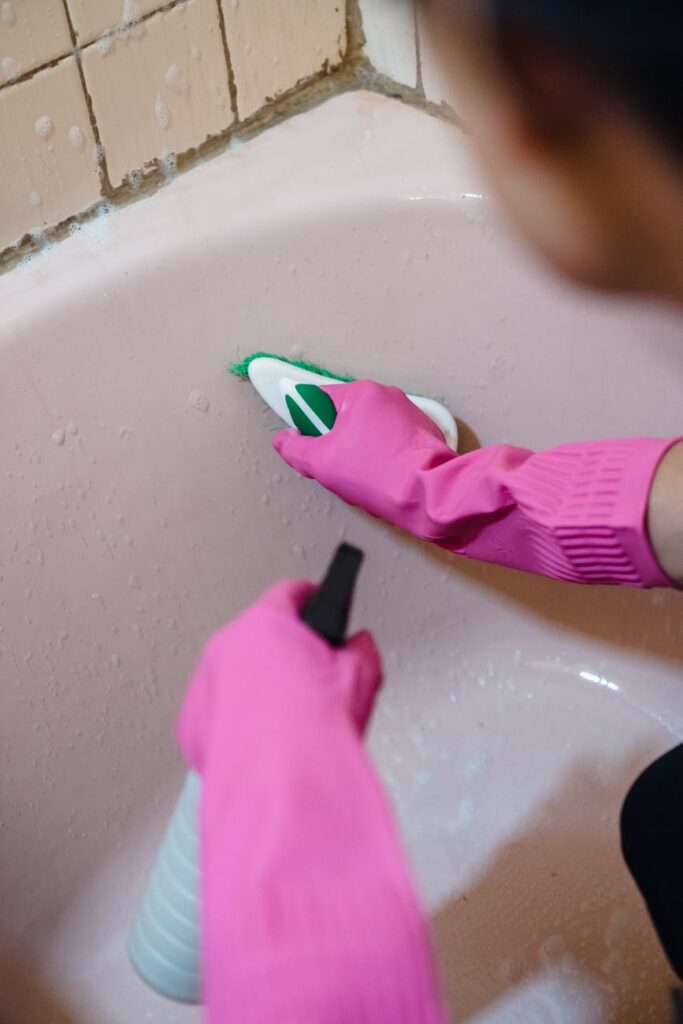
Using a sponge or scrub brush, scrub the moldy areas vigorously. Make sure to reach into crevices and corners where mold often hides.
Step 5: Rinse Thoroughly
Rinse the sink with warm water to remove any cleaning solution and mold residues. Ensure that no cleaning agents are left behind as they can promote future mold growth.
Step 6: Dry the Area
Use a microfiber cloth to dry the sink thoroughly. This step is crucial to prevent mold from returning.
Best Cleaning Methods
There are several effective cleaning methods for mold removal in your kitchen sink:
1. Vinegar: A natural disinfectant that kills most types of mold spores and bacteria.
2. Baking Soda: Acts as a mild abrasive and deodorizer. It also helps in absorbing moisture.
3. Hydrogen Peroxide: A strong mold killer that can be sprayed directly onto affected areas.
4. Commercial Mold Removers: Specialized products designed for effective mold elimination. Always follow the manufacturer’s instructions.
Common Mistakes to Avoid
When tackling mold removal, avoid these common pitfalls:
1. Ignoring Hidden Areas: Mold often hides in hard-to-reach places. Make sure to check under the sink, around pipes, and in corners.
2. Using Too Much Water: Over-saturating the area can lead to more moisture and promote further mold growth.
3. Not Drying Thoroughly: Leaving moisture behind after cleaning can undo all your hard work.
4. Neglecting Regular Maintenance: Failing to regularly inspect the sink area can allow mold to return quickly.
Prevention Tips
Preventing mold in your kitchen sink is easier than you may think. Here are some effective strategies:
1. Wipe Down Surfaces: After washing dishes or food prep, wipe down the sink to remove moisture.
2. Improve Ventilation: Open windows or use exhaust fans to circulate air and reduce humidity.
3. Fix Leaks Promptly: Address any plumbing issues immediately to minimize moisture.
4. Regular Cleaning: Make cleaning your sink a regular part of your kitchen maintenance routine.
5. Use a Dehumidifier: In particularly humid environments, consider using a dehumidifier to reduce overall moisture levels.
Frequently Asked Questions
1. How often should I clean my kitchen sink?
Aim to clean your kitchen sink at least once a week to prevent mold and bacteria buildup.
2. Can I use bleach to remove mold?
While bleach can kill mold, it is not always effective on porous surfaces and can emit harmful fumes. Opt for vinegar or baking soda for safer alternatives.
3. What if mold keeps coming back?
If mold continues to return, it may indicate an underlying problem, such as a leak or poor ventilation. Address these issues before cleaning again.
4. Is mold in the kitchen sink harmful?
Yes, mold can pose health risks, especially to those with allergies or respiratory issues. It’s best to remove it promptly.
5. Can I prevent mold without chemicals?
Yes, regular cleaning with vinegar and baking soda, along with proper ventilation, can effectively prevent mold growth without harsh chemicals.
6. What should I do if the mold covers a large area?
For extensive mold growth, it may be best to consult a professional cleaning service to ensure complete removal and address any underlying issues.
By following this guide, you can effectively tackle mold in your kitchen sink and maintain a clean, healthy environment for food preparation and cooking. Stay proactive, and your kitchen will remain mold-free and welcoming.