
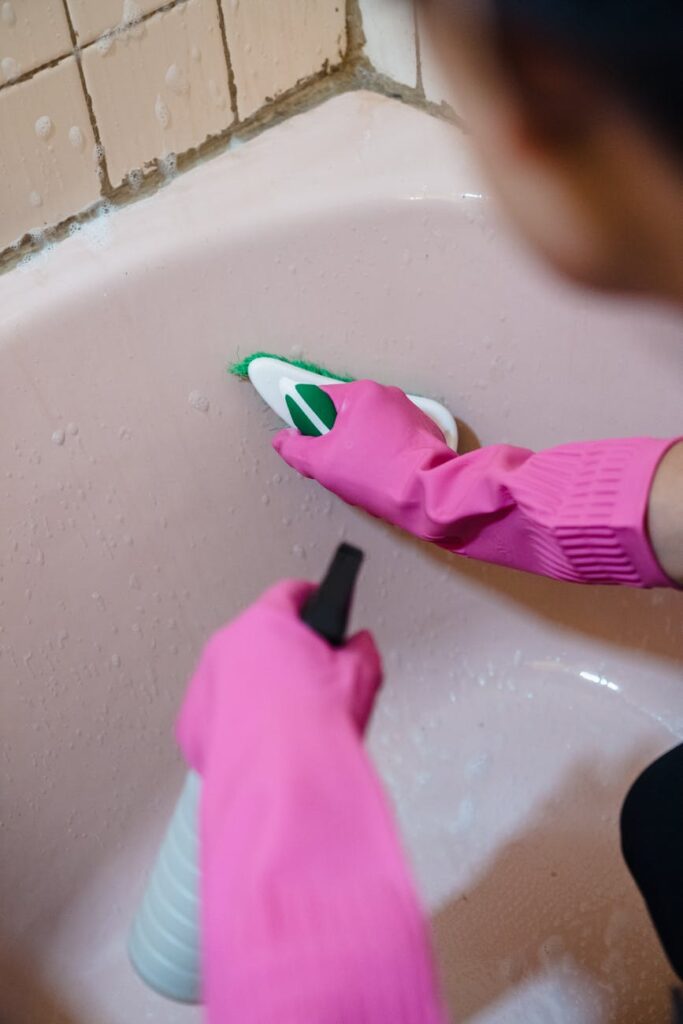
Sink Mold Removal Bathroom Guide Part 1
Introduction
Mold in your bathroom sink can be an unsightly and potentially harmful problem. Not only does it look bad, but it can also cause unpleasant odors and contribute to a less-than-hygienic environment. This guide will help you understand what causes mold, how to effectively remove it, and how to prevent its return.
What Causes Bathroom Mold?
Mold thrives in moist environments, making bathrooms a prime location. The combination of humidity, warmth, and stagnant water creates ideal conditions for mold growth. Here are the main factors that contribute to mold in your bathroom sink:
1. High Humidity Levels: Bathrooms often have high humidity due to showers and baths.
2. Poor Ventilation: Lack of airflow can trap moisture in the air and on surfaces.
3. Leaky Pipes: Water leaks can create constant dampness.
4. Organic Materials: Soap residue, hair, and other organic materials can serve as food sources for mold.
Why This Problem Happens
Understanding the reasons behind mold growth is crucial for effective cleaning and prevention. When moisture accumulates in your bathroom sink and surrounding areas without proper ventilation, it creates a breeding ground for mold spores. These spores can settle on various surfaces, especially where organic materials are present.
Moreover, mold can spread quickly. Once established, it can multiply within 24 to 48 hours under the right conditions. This makes timely intervention essential to control and eliminate the problem.
How to Fix Bathroom Mold (Step-by-Step)
Eliminating mold from your bathroom sink requires a systematic approach. Follow these steps for effective removal:
Step 1: Gather Your Supplies
You’ll need:
- Rubber gloves
- Mask (to avoid inhaling spores)
- Scrub brush or sponge
- Bucket
- Spray bottle
- Cleaning solution (vinegar, bleach, or commercial mold remover)
- Old toothbrush (for tight areas)
Step 2: Prepare the Area
1. Clear the Sink: Remove all items from the sink and surrounding areas.
2. Ventilate: Open windows or turn on exhaust fans to improve airflow.
Step 3: Apply the Cleaning Solution
1. For Vinegar Solution: Mix equal parts of white vinegar and water in a spray bottle.
2. For Bleach Solution: Mix one cup of bleach with a gallon of water. Note: Never mix bleach with ammonia or other cleaners.
Step 4: Scrub the Affected Areas
1. Spray the solution generously onto the moldy areas.
2. Allow it to sit for at least 10-15 minutes to kill the mold.
3. Use your scrub brush or sponge to scrub the affected areas thoroughly.
4. For tight spots, use an old toothbrush to reach crevices.
Step 5: Rinse and Dry
1. Rinse the sink with clean water to remove any remaining cleaning solution.
2. Dry the area thoroughly with a clean towel to eliminate moisture.
Step 6: Dispose of Cleaning Materials
Dispose of any sponges or brushes used to clean the mold. This helps prevent spreading spores.
Best Cleaning Methods
There are several effective cleaning methods for mold removal:
1. Vinegar: A natural disinfectant, vinegar can kill mold without harsh chemicals.
2. Bleach: Effective for killing mold on non-porous surfaces. Use with caution and ensure proper ventilation.
3. Baking Soda: Mix with water to create a paste that can scrub away mold.
4. Commercial Mold Removers: Look for products specifically designed for mold and mildew removal.
Common Mistakes to Avoid
Mistake 1: Not Wearing Protective Gear
Always wear gloves and a mask when cleaning mold to protect yourself from spores and harsh chemicals.
Mistake 2: Ignoring the Source of Moisture
Cleaning without addressing the underlying moisture issue will only lead to mold returning.
Mistake 3: Using Hot Water
Hot water can spread mold spores into the air. Always use cold or lukewarm water when rinsing.
Mistake 4: Inconsistent Cleaning
Regular cleaning is essential to prevent mold growth. Don’t wait for mold to appear before cleaning.
Prevention Tips
1. Improve Ventilation: Use exhaust fans or open windows to reduce humidity levels.
2. Wipe Down Surfaces: After showers, wipe down the sink and surrounding areas to remove moisture.
3. Seal Leaks: Repair any leaks in pipes or fixtures promptly.
4. Use Mold-Resistant Products: Consider mold-resistant paints and sealants for your bathroom.
5. Regular Cleaning: Incorporate mold prevention into your regular cleaning routine.
Frequently Asked Questions
1. How often should I clean my bathroom sink to prevent mold?
Aim to clean your bathroom sink at least once a week to prevent mold buildup.
2. Can I use vinegar and bleach together?
No, never mix vinegar and bleach. This creates toxic fumes that can be harmful to your health.
3. How can I tell if mold is behind my sink?
Signs of mold behind the sink include a musty smell, discoloration, or water stains. If you suspect mold, consider removing the sink for inspection.
4. Is mold in the sink harmful?
While common mold types are not typically harmful, they can trigger allergies and respiratory issues. It’s best to remove it promptly.
5. Will cleaning eliminate mold permanently?
Cleaning removes existing mold, but without addressing the source of moisture, mold can return. Regular maintenance is key.
6. What should I do if the mold keeps coming back?
If mold continues to return despite your efforts, consider consulting a professional to assess for hidden mold or moisture issues.
—
By following this guide, you can effectively tackle sink mold in your bathroom and take proactive steps to prevent its return. Regular maintenance and awareness of your bathroom’s environment are essential for a clean and healthy space.