
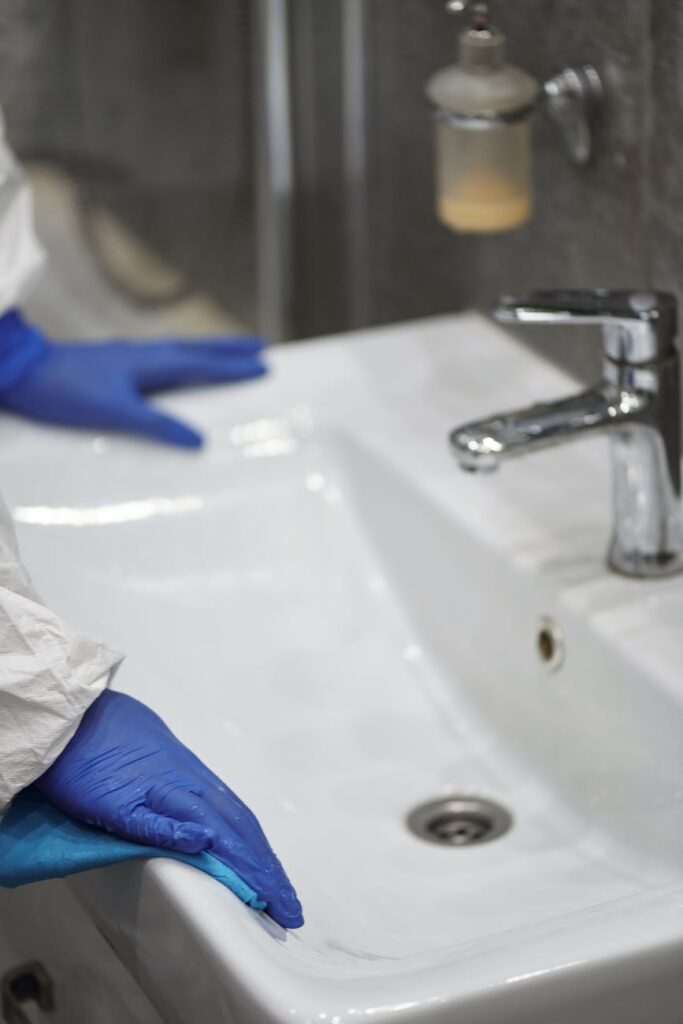
Sink Mold Odours Guide Part 1
Introduction
Dealing with unpleasant odours from your sink can be a frustrating experience. Often, these smells are caused by mold and mildew that thrive in damp environments. This guide will help you understand the causes of these odours and provide actionable steps to eliminate them effectively.
What Causes Odours?
Odours in your sink primarily stem from the growth of mold and mildew. These fungi thrive in moist, dark areas, making your sink an ideal breeding ground. Common causes of sink odours include:
- Food Particles: Leftover food can decompose, providing a food source for mold.
- Standing Water: Water that doesn’t drain properly can lead to stagnant conditions.
- Clogged Drains: Hair, grease, and debris can build up, causing blockages and foul smells.
- Poor Ventilation: Sinks that are not well-ventilated can trap moisture and humidity.
- Baking soda
- Distilled white vinegar
- Hot water
- A scrub brush or sponge
- A bucket
- Rubber gloves
- Vinegar and Baking Soda: This classic combination is highly effective for neutralizing odours and cleaning.
- Hydrogen Peroxide: For tough mold, a solution of hydrogen peroxide can be used to kill spores. Apply it directly to the affected areas, let it sit for 10 minutes, and then rinse.
- Commercial Cleaners: There are many mold and mildew cleaners available. Make sure to choose a product that is safe for your sink material.
- Boiling Water: Pouring boiling water down the drain can help dislodge trapped debris and kill mold.
- Ignoring Clogs: Never overlook a slow drain; it can lead to more significant problems.
- Using Bleach: While bleach can kill mold, it can also create harmful fumes and may not eliminate the root cause.
- Neglecting Regular Cleaning: A one-time clean is not enough. Regular maintenance is crucial to prevent odours from returning.
- Overusing Cleaners: Using excessive amounts of cleaning products can lead to residue build-up, which can attract more mold.
- Regular Cleaning: Clean your sink and drain at least once a week to prevent build-up.
- Use a Drain Strainer: This will catch food particles and prevent clogs.
- Ensure Proper Drainage: Check for any signs of blockage and address them promptly.
- Improve Ventilation: Keep the area around your sink dry and well-ventilated.
- Limit Moisture: Wipe down the sink after each use to minimize water accumulation.
- If the smell continues, check for deeper clogs in the plumbing or consider calling a plumber.
- While essential oils can provide a pleasant scent, they do not address the root cause of the odour.
- Aim for weekly cleaning, with deep cleaning every month.
- Yes, this combination is safe for most plumbing systems and can help maintain a clean drain.
- Look for black or green spots, a musty smell, and any discoloration around the sink.
- Yes! A mixture of vinegar and baking soda can be a natural and effective preventive measure.
Why This Problem Happens
Understanding why these odours occur is crucial for effective elimination. Mold spores are present in the air and can settle in your sink. When the conditions are right—such as moisture, darkness, and organic material—these spores can grow rapidly.
Additionally, everyday activities like cooking, washing dishes, and even running the garbage disposal can add to the organic material in your sink, creating an environment where mold can flourish.
How to Fix Odours (Step-by-Step)
Eliminating sink odours requires a systematic approach. Follow these steps to tackle the problem effectively:
1. Gather Your Supplies: You will need:
2. Remove Visible Debris: Clear out any food particles, hair, or debris from the sink and drain.
3. Flush the Drain: Run hot water down the drain to help dissolve grease and food particles.
4. Apply Baking Soda: Pour a generous cup of baking soda into the drain. This will help neutralize odours and absorb moisture.
5. Add Vinegar: Pour a cup of distilled white vinegar over the baking soda. You will notice fizzing; this reaction helps break down grime and kill mold.
6. Let It Sit: Allow the mixture to sit for about 15 minutes.
7. Scrub the Sink: Use a scrub brush or sponge to clean the sink, paying special attention to corners and crevices.
8. Rinse Thoroughly: Flush the sink with hot water to remove any remaining residue.
9. Dry the Sink: Wipe the sink dry using a clean cloth to minimize moisture.
Best Cleaning Methods
For effective removal of sink mold odours, consider the following cleaning methods:
Common Mistakes to Avoid
When dealing with sink mold odours, avoid these common pitfalls:
Prevention Tips
Preventing odours from returning is key. Here are some effective strategies:
Frequently Asked Questions
1. What should I do if the odour persists after cleaning?
2. Can I use essential oils to mask the smell?
3. How often should I clean my sink to prevent mould?
4. Is it safe to pour vinegar and baking soda down the drain frequently?
5. What are the signs of mold growth in my sink?
6. Can I prevent mould growth with a homemade solution?
By following this guide, you can effectively tackle sink mold odours and create a cleaner, fresher kitchen environment. Stay tuned for Part 2, where we’ll delve deeper into advanced cleaning techniques and long-term solutions.