
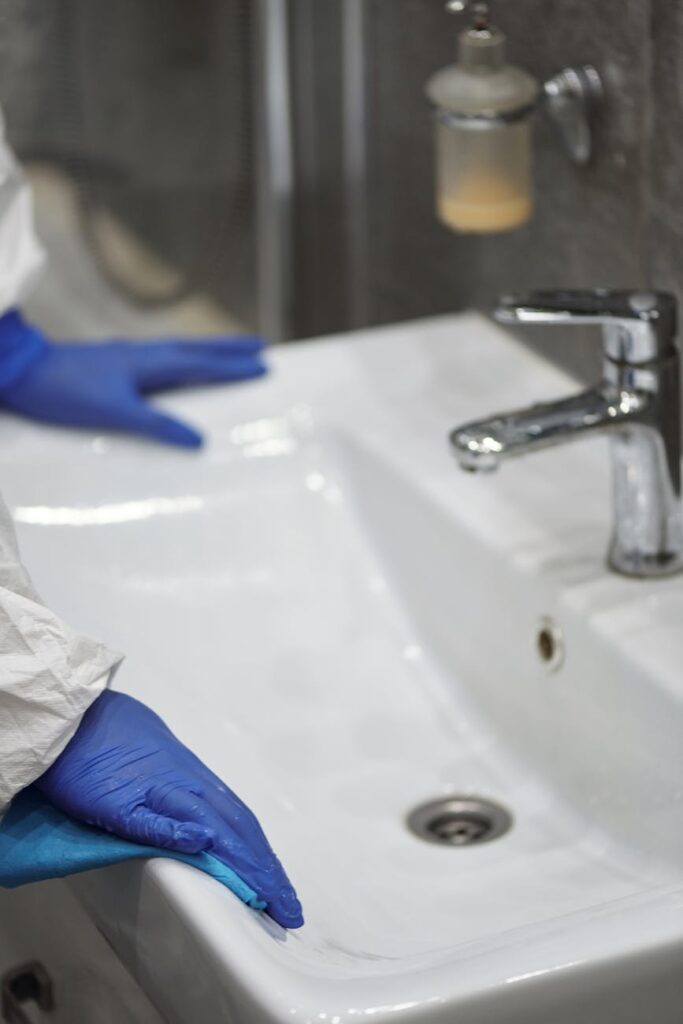
Sink Mold Cleaning Guide Part 1
Introduction
Mold in the sink is not just an eyesore; it can also pose health risks and create unpleasant odors. Cleaning mold from your sink is essential for maintaining a healthy home environment. This guide will provide you with practical, step-by-step solutions to tackle sink mold effectively.
What Causes Sink Mold?
Sink mold thrives in damp, warm environments, making kitchens and bathrooms prime locations. Mold spores are everywhere in the air, and they only need moisture and organic material to grow. Common causes include:
- Standing Water: Leftover water from washing dishes or brushing teeth can create a breeding ground.
- Food Particles: Bits of food can get trapped in the sink, providing nutrients for mold.
- Poor Ventilation: Lack of airflow allows moisture to linger.
- Dirty Drains: Clogged or dirty drains can accumulate mold.
- Rubber gloves
- Face mask (optional)
- Scrub brush or sponge
- Bucket
- Cleaning solution (vinegar or bleach)
- Spray bottle
- Old toothbrush (for tight spots)
- Paper towels or cloths
- Baking Soda Paste: Mix baking soda with water to form a paste. Apply it to moldy areas, let it sit for 30 minutes, and then scrub.
- Hydrogen Peroxide: This is a strong mold killer. Use a 3% solution, spray it on the mold, let it sit for 10 minutes, and scrub.
- Commercial Mold Cleaners: There are specific products designed for mold removal. Always follow the manufacturer’s instructions.
- Using Too Much Water: Excess water can encourage mold growth. Always dry surfaces after cleaning.
- Neglecting Hard-to-Reach Areas: Mold can hide under faucets and in drain crevices. Don’t skip these spots.
- Inconsistent Cleaning: Regularly clean your sink to prevent mold from returning.
- Ignoring Ventilation: Ensure your kitchen and bathroom are well-ventilated to reduce humidity.
- Wipe Down Surfaces: After using the sink, wipe it down with a dry cloth to remove moisture.
- Keep Drains Clean: Regularly clean your drains to prevent food buildup.
- Use a Dehumidifier: If humidity is high in your home, consider using a dehumidifier to reduce moisture levels.
- Install Ventilation: Ensure your kitchen and bathroom are well-ventilated with exhaust fans.
- Seal Grout and Caulk: Periodically check and reseal grout and caulk in your sink area to reduce moisture retention.
- Regular Maintenance: Make cleaning your sink a part of your routine, ideally every few days.
Understanding these causes is crucial for effective prevention and cleaning.
Why This Problem Happens
Mold growth in sinks is often a result of neglect and environmental conditions. Homeowners may not clean their sinks regularly or may overlook the areas where mold likes to hide. Additionally, high humidity levels in certain seasons can exacerbate the problem.
When neglected, mold can spread rapidly, making it harder to clean and potentially affecting the entire kitchen or bathroom.
How to Fix Sink Mold (Step-by-Step)
Cleaning mold from your sink requires systematic steps to ensure complete removal. Here’s how to do it:
Step 1: Gather Supplies
Step 2: Remove Items from the Sink
Take out any dishes, utensils, or personal items from the sink area. This will provide clear access for cleaning.
Step 3: Make Your Cleaning Solution
Vinegar Solution: Mix equal parts of white vinegar and water in a spray bottle. Vinegar is effective against mold and is safe for most surfaces.
Bleach Solution: If you opt for bleach, mix one cup of bleach with one gallon of water. Use in well-ventilated areas and wear gloves.
Step 4: Apply the Solution
Spray the cleaning solution generously on the moldy areas of the sink. Let it sit for at least 10-15 minutes. This allows the solution to penetrate and kill the mold.
Step 5: Scrub the Area
Using a scrub brush or sponge, scrub the affected areas. For tight spots, an old toothbrush works well. Be thorough to ensure all mold is removed.
Step 6: Rinse and Dry
Rinse the sink with warm water to remove any remaining cleaning solution. Dry the sink thoroughly with paper towels or a clean cloth to prevent moisture buildup.
Step 7: Dispose of Waste
Dispose of any sponges, cloths, or paper towels used during cleaning. Mold spores can linger on these items.
Best Cleaning Methods
While vinegar and bleach are common choices, there are other effective methods to consider:
Common Mistakes to Avoid
Prevention Tips
Preventing mold is easier than cleaning it. Here are some tips to keep your sink mold-free:
Frequently Asked Questions
1. How often should I clean my sink to prevent mold?
Aim to clean your sink at least once a week. If you notice moisture or food debris, clean it immediately.
2. Can I use vinegar and bleach together?
No, combining vinegar and bleach creates toxic fumes. Use them separately and ensure the area is well-ventilated.
3. What surfaces can I use vinegar on?
Vinegar is safe for most surfaces, but avoid using it on natural stone as it can damage the finish.
4. Is mold in the sink harmful?
Yes, mold can cause respiratory issues and allergic reactions in some individuals. It’s essential to clean it promptly.
5. How can I tell if my sink mold has returned?
Look for discoloration, a musty smell, or a fuzzy texture in and around the sink. Regular checks can help catch it early.
6. What if the mold keeps coming back?
If mold keeps returning, investigate underlying issues such as leaks, poor drainage, or high humidity levels. Addressing these problems will help prevent future growth.
By following this guide, you can effectively clean and maintain your sink, keeping it mold-free and safe for daily use. Stay vigilant and proactive to enjoy a healthier home environment.