
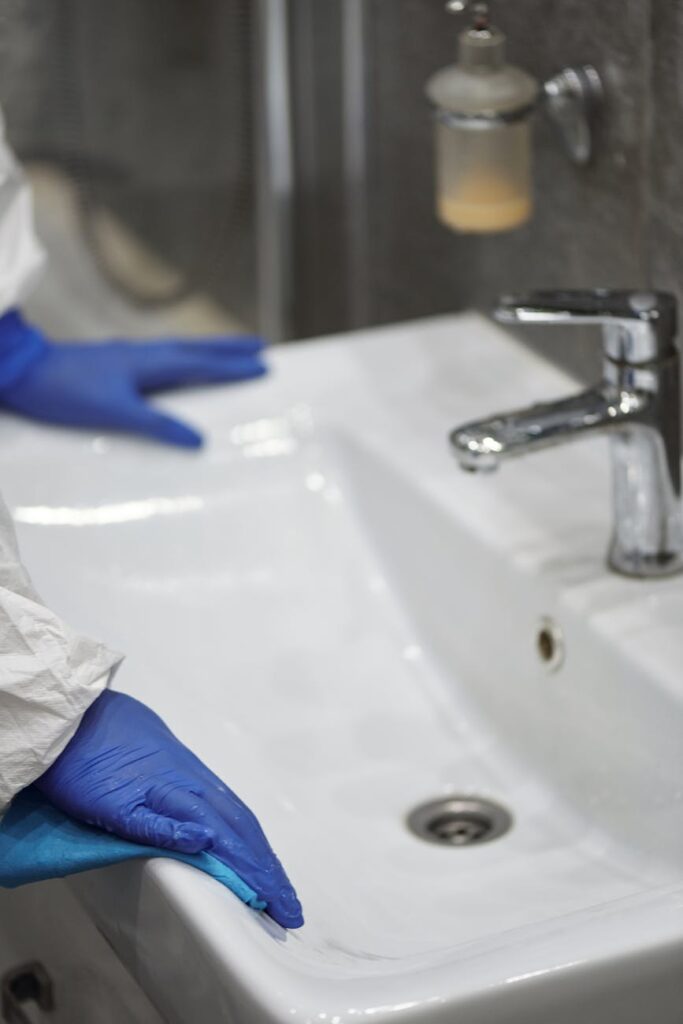
Sink Mold Bathroom Guide Part 1
Introduction
Mold in the bathroom, especially around the sink, is a common issue that many homeowners face. Not only is it unsightly, but it can also lead to unpleasant odors and potential health concerns. This guide will help you understand the causes of sink mold, how to effectively clean it, and tips for preventing it in the future.
What Causes Bathroom Mold?
Bathroom mold typically thrives in damp, warm environments. Here are the primary factors contributing to sink mold growth:
1. Moisture: Sinks are frequently exposed to water, making them ideal breeding grounds for mold.
2. Poor Ventilation: Bathrooms without adequate airflow retain humidity, creating a perfect environment for mold.
3. Organic Materials: Soap residues and organic matter can provide nutrients for mold.
4. Temperature Fluctuations: Changes in temperature can lead to condensation, increasing moisture levels around the sink.
Why This Problem Happens
Understanding the underlying reasons for mold growth can help you effectively tackle the problem. Here’s why mold tends to proliferate in bathroom sinks:
- Condensation: Warm air in a bathroom can condense on cooler sink surfaces, providing moisture for mold.
- Infrequent Cleaning: Without regular cleaning, soap scum and grime accumulate, creating a habitat for mold.
- Neglected Seals: Worn-out caulking and seals around the sink can trap moisture, encouraging mold growth.
- Rubber gloves
- Face mask (optional but recommended)
- Scrub brush or sponge
- Bucket
- White vinegar or hydrogen peroxide (3% solution)
- Baking soda
- Dish soap
- Spray bottle
- Clean, dry cloths
- Remove Items: Clear the sink area of personal items, towels, and any cleaning supplies.
- Ventilate: Open windows or turn on the bathroom fan to improve airflow.
- Vinegar Method: Fill a spray bottle with white vinegar and spray it directly onto the moldy areas. Let it sit for 10-15 minutes.
- Hydrogen Peroxide Method: Alternatively, you can spray a 3% hydrogen peroxide solution onto the affected areas. This is effective for darker mold stains.
- Rinse the sink with warm water to remove any cleaning solution and mold residue.
- Use a clean, dry cloth to thoroughly dry the sink and surrounding areas. This step is crucial in preventing future mold growth.
- White Vinegar: Its acidity can kill about 82% of mold species. Use it undiluted for best results.
- Hydrogen Peroxide: This is effective against a wide range of molds and is a safer alternative to bleach.
- Baking Soda: This not only cleans but also deodorizes. It can be combined with vinegar for a powerful cleaning reaction.
How to Fix Bathroom Mold (Step-by-Step)
Cleaning mold from your sink may seem daunting, but following these steps can make the process straightforward and effective.
Step 1: Gather Your Supplies
Before you start, ensure you have the following items:
Step 2: Prepare the Area
Step 3: Apply Cleaning Solution
Step 4: Scrub the Area
Using a scrub brush or sponge, scrub the moldy areas thoroughly. For stubborn spots, you can make a paste of baking soda and water, apply it, and let it sit for another 10 minutes before scrubbing.
Step 5: Rinse and Dry
Step 6: Dispose of Waste
Dispose of any contaminated materials, such as sponges or cloths, in a sealed plastic bag to prevent mold spores from spreading.
Best Cleaning Methods
While various methods can be used to clean mold, some are more effective than others. Here are the best options:
Common Mistakes to Avoid
When dealing with sink mold, it’s essential to avoid these common pitfalls:
1. Using Bleach: While bleach can kill mold on non-porous surfaces, it doesn’t prevent future growth and can be harmful when mixed with other cleaners.
2. Not Ventilating: Failing to ventilate the area can lead to increased humidity, worsening the mold problem.
3. Ignoring Seals: Neglecting the caulking and seals around your sink can allow moisture to accumulate.
4. Infrequent Cleaning: Regular cleaning is essential to prevent mold from returning.
Prevention Tips
Preventing mold is easier than cleaning it up. Here are actionable tips to keep your sink mold-free:
1. Improve Ventilation: Install an exhaust fan or open windows to allow moisture to escape.
2. Wipe Down Surfaces: After using the sink, wipe it dry to remove excess moisture.
3. Use Mold-Resistant Products: Consider using mold-resistant caulk and paint in your bathroom.
4. Regular Cleaning: Schedule regular cleanings (weekly or bi-weekly) to maintain a mold-free environment.
Frequently Asked Questions
1. How often should I clean my sink to prevent mold?
Aim for at least once a week, especially in high-moisture areas like bathrooms.
2. Can I use bleach to clean mold?
Bleach can kill mold on non-porous surfaces but is not recommended for long-term prevention and can be harmful when mixed with other cleaners.
3. What if mold keeps coming back?
If mold returns frequently, check for hidden leaks, poor ventilation, or moisture retention in seals.
4. Is mold dangerous?
While not all molds are harmful, some can trigger allergic reactions or respiratory issues. It’s best to remove any mold promptly.
5. Can I prevent mold with essential oils?
Some essential oils, like tea tree oil, have antifungal properties and can be used as a natural mold remedy. However, they should not replace regular cleaning.
6. How can I tell if I have a mold problem?
Signs include visible mold growth, musty odors, and water stains. If you notice these, it’s time to take action.
By following this guide, you can effectively tackle sink mold in your bathroom and keep it at bay for a cleaner, healthier home. Stay tuned for Part 2, where we will delve deeper into advanced cleaning techniques and tools for maintaining a mold-free bathroom.