
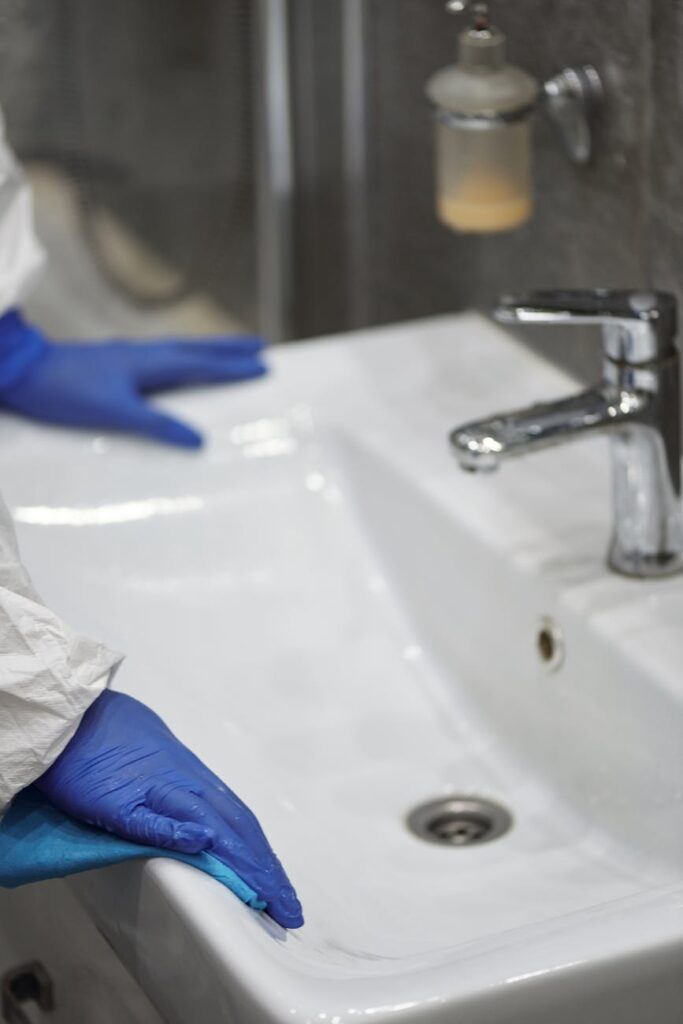
Sink Mold Appliances Guide Part 1
Introduction
Sink mold can be a frustrating problem for homeowners. It’s unsightly, smells bad, and can be a sign of deeper issues within your kitchen or bathroom. In this guide, we will explore the causes of mold around appliances linked to sinks, effective cleaning methods, and preventive measures to keep your home mold-free.
What Causes Appliances?
Appliances such as dishwashers, garbage disposals, and sinks themselves can harbor mold due to several factors:
1. Moisture: Sinks and appliances are often exposed to water, which creates an ideal environment for mold growth.
2. Food Particles: Leftover food can become a breeding ground for mold, especially in warm, damp areas.
3. Poor Ventilation: Inadequate airflow can trap moisture, allowing mold to thrive.
4. Clogged Drains: Stagnant water and debris in drains can lead to mold and mildew buildup.
Why This Problem Happens
Mold is a type of fungus that thrives in damp, warm environments. When sinks and appliances are not properly cleaned or maintained, they can accumulate moisture and organic material, creating the perfect breeding ground for mold.
Contributing Factors
- Humidity Levels: High humidity can exacerbate mold growth.
- Neglected Cleaning: Regular cleaning is key to preventing mold.
- Temperature: Warm conditions can accelerate mold growth.
- Rubber gloves
- Mask (to avoid inhaling spores)
- Scrub brush or sponge
- Bucket
- White vinegar or bleach
- Baking soda
- Dish soap
- Old toothbrush (for tight spots)
- Microfiber cloths
- Vinegar Solution: Mix equal parts of white vinegar and water in a spray bottle.
- Bleach Solution: If mold is severe, mix one cup of bleach with a gallon of water. Use caution and ensure good ventilation.
- Mix baking soda with water to form a paste.
- Apply it to moldy areas, let it sit for a few minutes, then scrub and rinse.
- Use a 3% hydrogen peroxide solution to spray on moldy areas.
- Let it sit for 10 minutes before scrubbing and rinsing.
- Look for EPA-approved mold cleaners that are safe for household use.
- Always follow the manufacturer’s instructions when using these products.
How to Fix Appliances (Step-by-Step)
If you find mold around your sink or appliances, act quickly to remove it. Here’s a step-by-step guide to get started:
Step 1: Gather Supplies
You will need:
Step 2: Prepare the Area
1. Turn Off Appliances: For safety, unplug or turn off any affected appliances.
2. Clear the Area: Remove all items around the sink and appliance to have a clear workspace.
Step 3: Make a Cleaning Solution
Step 4: Apply the Solution
1. Spray the Affected Area: Generously apply your chosen solution to moldy surfaces.
2. Let it Sit: Allow the solution to sit for 10-15 minutes to penetrate the mold.
Step 5: Scrub the Area
1. Use a Scrub Brush: Gently scrub the moldy area, using an old toothbrush for tight spots.
2. Rinse: Wipe the area with a damp cloth to remove any residue.
Step 6: Dry Completely
Ensure that the cleaned area is thoroughly dried to prevent future mold growth.
Best Cleaning Methods
While vinegar and bleach are effective, here are some other cleaning methods you can try:
Baking Soda Paste
Hydrogen Peroxide
Commercial Mold Cleaners
Common Mistakes to Avoid
When tackling mold around sinks and appliances, avoid these common pitfalls:
1. Using Too Much Water: Excessive moisture can worsen mold issues.
2. Ignoring Hard-to-Reach Areas: Mold can hide in tight spaces, so be thorough.
3. Not Wearing Protective Gear: Always wear gloves and a mask to protect yourself.
4. Skipping Regular Maintenance: Regular cleaning is key to long-term prevention.
Prevention Tips
Preventing mold is easier than cleaning it. Here are some practical tips:
1. Regular Cleaning: Clean your sink and appliances weekly to remove food particles and moisture.
2. Fix Leaks: Address any plumbing leaks immediately to minimize moisture.
3. Improve Ventilation: Use exhaust fans and open windows to reduce humidity.
4. Wipe Down Surfaces: After each use, dry surfaces around sinks and appliances.
5. Use a Dehumidifier: In high-humidity areas, a dehumidifier can help control moisture levels.
Frequently Asked Questions
1. How often should I clean for mold prevention?
Aim to clean your sink and appliances weekly, with deeper cleanings monthly.
2. Can I use vinegar and bleach together?
No, combining vinegar and bleach produces toxic fumes. Use them separately.
3. What should I do if mold returns?
If mold returns quickly, check for leaks and improve ventilation in the area.
4. Is mold dangerous to my health?
While not all mold is harmful, some can cause respiratory issues. It’s best to address it promptly.
5. Can I prevent mold with essential oils?
Some essential oils, like tea tree oil, have antifungal properties. However, they should not replace regular cleaning.
6. What if I can’t remove the mold?
If mold persists despite your efforts, consider hiring a professional mold remediation service.
By following the steps outlined in this guide, you can effectively manage and prevent sink mold around your appliances, creating a cleaner and healthier home environment. Stay tuned for Part 2, where we’ll delve deeper into specific appliances and mold management strategies.