
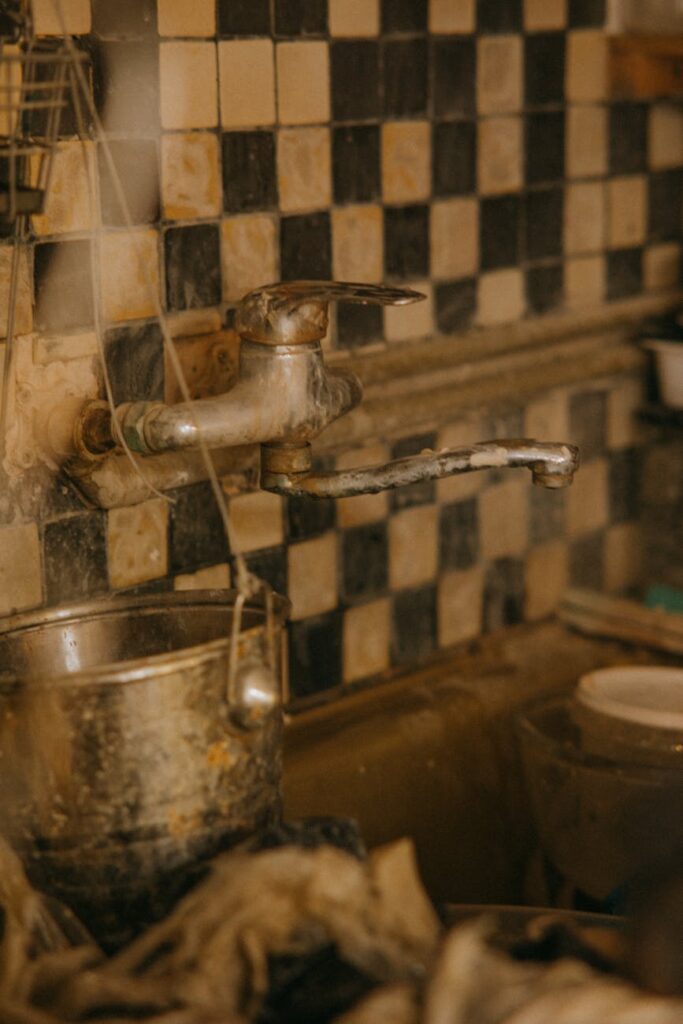
Sink Drain Stains Guide Part 1
Introduction
Sink drain stains are a common nuisance in many households. Over time, these stains can become unsightly and contribute to unpleasant odors. Understanding the causes of these stains and how to effectively tackle them is crucial for maintaining a clean and fresh kitchen or bathroom. This guide will provide practical advice on identifying, cleaning, and preventing sink drain stains.
What Causes Stains?
Sink drain stains can arise from several sources:
1. Mineral Deposits: Hard water contains minerals like calcium and magnesium that can leave deposits in your sink and drain.
2. Food Residue: Bits of food that get washed down the drain can stick to the sides, leading to discoloration and odors.
3. Soap Scum: Soap residue can build up over time, especially with certain types of soap that are high in fats.
4. Mold and Mildew: In damp environments, mold and mildew can form, creating dark stains around the sink area.
5. Rust: If you have metal pipes, rust can leach into the water, causing reddish or brown stains.
Why This Problem Happens
Understanding why stains form is essential for effective cleaning.
- Poor Drainage: Slow-draining sinks can collect debris and residue, making stains more likely.
- Infrequent Cleaning: Regular cleaning prevents the buildup of stains. Neglecting this task allows stains to settle and become harder to remove.
- Water Quality: Areas with hard water are more prone to mineral buildup and subsequent stains.
- Baking soda
- White vinegar
- Lemon juice
- Soft sponge or cloth
- Old toothbrush
- Hot water
- Rubber gloves
- Apply the baking soda paste to the stained areas in your sink and drain.
- Let it sit for about 15 minutes to allow the paste to penetrate and lift the stains.
- Pour a cup of white vinegar down the drain to help dissolve mineral buildup.
- Let it sit for 10-15 minutes, then flush with hot water.
- Vinegar and Baking Soda: Pour baking soda down the drain followed by vinegar. The fizzing action helps break down mineral deposits.
- Hot Water and Dish Soap: Pour a mixture of hot water and dish soap down the drain to help dislodge food particles.
- Lemon Juice: The acidity in lemon juice can help dissolve soap scum. Apply it directly to the affected areas, let it sit, and then scrub with a sponge.
- Bleach Solution: Mix one part bleach with ten parts water. Apply carefully to avoid damaging your sink and scrub the affected areas.
- Rust Remover: Commercial rust removers can be effective but should be used according to the manufacturer’s instructions.
How to Fix Stains (Step-by-Step)
Cleaning sink drain stains can be straightforward. Follow these steps:
Step 1: Gather Your Supplies
Step 2: Create a Cleaning Paste
Mix equal parts baking soda and water to create a paste. This will serve as a gentle abrasive that won’t scratch your sink’s surface.
Step 3: Apply the Paste
Step 4: Scrub with a Sponge
Using a soft sponge or cloth, scrub the area gently. For hard-to-reach spots, use an old toothbrush to get into corners.
Step 5: Rinse with Hot Water
After scrubbing, rinse the sink thoroughly with hot water to remove any residue from the cleaning paste.
Step 6: Use Vinegar for Extra Cleaning
Step 7: Repeat if Necessary
If stains persist, repeat the process or consider using lemon juice mixed with baking soda for extra cleaning power.
Best Cleaning Methods
Different stains require varied approaches. Here are some effective methods:
For Mineral Deposits
For Food Residue
For Soap Scum
For Mold and Mildew
For Rust Stains
Common Mistakes to Avoid
1. Using Abrasive Cleaners: Avoid using steel wool or harsh scrubbing pads that can scratch your sink’s surface.
2. Overlooking the Drain: Many people focus on the visible areas but forget to clean inside the drain itself.
3. Neglecting Regular Maintenance: Failing to clean your sink regularly allows stains to become entrenched.
4. Mixing Cleaners: Never mix chemical cleaners, as this can create harmful fumes or reactions.
5. Ignoring Water Quality: If you live in an area with hard water, consider installing a water softener to minimize mineral buildup.
Prevention Tips
1. Regular Cleaning: Make it a habit to clean your sink and drain weekly to prevent stains from forming.
2. Use a Drain Strainer: A strainer can catch food particles, preventing them from going down the drain and causing buildup.
3. Flush the Drain: Regularly flush your drain with hot water to keep it clear of debris.
4. Adjust Water Softener Settings: If applicable, ensure your water softener is functioning correctly to reduce mineral deposits.
5. Use Mild Soap: Opt for soaps that are low in fat to minimize soap scum buildup.
Frequently Asked Questions
1. How often should I clean my sink to prevent stains?
Aim for weekly cleanings to keep stains at bay and maintain a fresh appearance.
2. Can I use bleach in my kitchen sink?
While bleach can help with mold and mildew, it should be used cautiously in kitchen sinks. Always rinse thoroughly afterward.
3. What if my sink drain is still clogged after cleaning?
If your sink is clogged despite cleaning, consider using a plunger or a plumbing snake. If the problem persists, contact a plumber.
4. Are there any natural remedies for sink drain stains?
Yes, a mixture of baking soda and vinegar or lemon juice can be effective natural remedies for removing stains.
5. Will hard water stains damage my sink?
While hard water stains are unsightly, they typically won’t damage your sink if cleaned regularly.
6. How can I tell if my stains are from rust?
Rust stains often appear reddish-brown. If you suspect rust, check the pipes under your sink for corrosion.
By following these practical steps, you can effectively tackle sink drain stains and maintain a clean, fresh environment in your home. Regular maintenance and the right cleaning methods will keep your sink looking its best for years to come.