
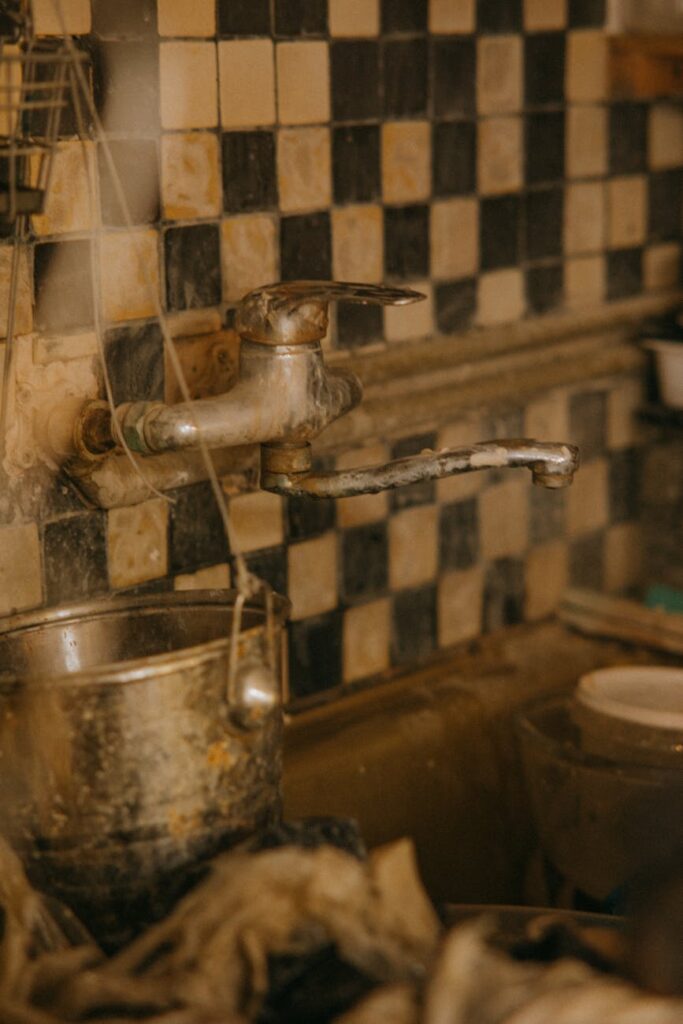
Sink Drain Stains Laundry Guide Part 1
Introduction
Sink drain stains can be a frustrating sight, especially after you’ve spent time washing your laundry. These stains can be caused by dirt, soap residue, and mineral deposits. In this guide, we’ll explore what causes these stains, why they occur, and most importantly, how to effectively clean them. With actionable steps, best methods, and prevention tips, you’ll be equipped to tackle sink drain stains in no time.
What Causes Laundry?
Laundry-related sink drain stains typically arise from a combination of factors:
1. Soap Scum: Detergents and fabric softeners can leave behind residue that builds up over time.
2. Hard Water: If your water supply is high in minerals, these can accumulate in your sink, leading to unsightly stains.
3. Food Particles: Leftover food debris from rinsing out items can contribute to stains, especially in kitchen sinks.
4. Mold and Mildew: If your sink isn’t properly dried, moisture can lead to mold growth, resulting in dark stains.
5. Iron and Rust: If your pipes have rust, it can leach into the water, staining your sink and laundry.
Understanding these causes will help you identify the right cleaning methods for your specific issue.
Why This Problem Happens
Several factors contribute to the formation of stains in sink drains:
- Neglected Cleaning: Regular maintenance is key. If sinks aren’t cleaned regularly, stains can accumulate, making them harder to remove.
- Water Quality: The quality of your water can significantly impact stain formation. Hard water, high in minerals, creates deposits that cling to surfaces.
- Improper Drainage: If your sink doesn’t drain properly, stagnant water can cause mildew and bacteria to thrive, leading to more stains.
- Chemical Reactions: Certain cleaning products can react with minerals in the water or residues left behind, leading to discoloration.
- Baking soda
- White vinegar
- Dish soap
- Scrub brush or sponge
- Old toothbrush
- Microfiber cloth
- Gloves (optional)
- Using Abrasive Cleaners: Avoid steel wool or harsh scrubbers that can scratch the sink surface.
- Neglecting Drain Maintenance: Regularly clean your drains to prevent buildup.
- Skipping Rinsing: Always rinse thoroughly after cleaning to remove all cleaning products.
- Ignoring Signs of Clogs: If you notice slow drainage, address it promptly to avoid stains caused by stagnant water.
- Using Too Much Product: Using excessive cleaners can lead to residue buildup, making stains worse.
Recognizing these factors can help you take proactive measures to maintain a clean sink.
How to Fix Laundry (Step-by-Step)
Cleaning sink drain stains requires a systematic approach. Here’s a step-by-step method:
Step 1: Gather Your Supplies
Step 2: Remove Debris
Start by removing any food particles or debris from the sink. Use a sponge or paper towel to wipe it clean.
Step 3: Apply Baking Soda
Sprinkle a generous amount of baking soda over the stained areas. Baking soda is an excellent abrasive cleaner that can remove stains without scratching the surface.
Step 4: Pour Vinegar
Slowly pour white vinegar over the baking soda. You’ll notice a fizzing reaction, which helps lift stains. Let it sit for 10-15 minutes.
Step 5: Scrub the Area
Using a scrub brush or an old toothbrush, gently scrub the stained areas. Focus on the edges and any crevices where stains may be hiding.
Step 6: Rinse Thoroughly
Rinse the sink with hot water to remove the baking soda and vinegar mixture. Make sure all residues are washed away.
Step 7: Wipe Down
Use a microfiber cloth to wipe down the sink, ensuring it’s completely dry. This will help prevent future stains.
Best Cleaning Methods
While the baking soda and vinegar method is effective, other methods can also help:
1. Dish Soap and Hot Water
Mix dish soap with hot water in a bowl. Use a sponge to scrub the sink, then rinse thoroughly. This method is great for regular maintenance.
2. Commercial Cleaners
There are many commercial cleaners specifically designed to tackle mineral deposits and stains. Follow the manufacturer’s instructions for the best results.
3. Hydrogen Peroxide
For tough stains, applying hydrogen peroxide can help. Use it in a spray bottle, let it sit for a few minutes, then scrub and rinse.
4. Lemon Juice
The acidity in lemon juice can help break down stains. Apply it to the stained area, let it sit for a while, then scrub and rinse.
Common Mistakes to Avoid
When cleaning sink drain stains, avoid these common pitfalls:
Prevention Tips
Preventing sink drain stains requires consistent maintenance:
1. Regular Cleaning: Clean your sink at least once a week to prevent buildup.
2. Use a Drain Strainer: This will catch food particles and debris, reducing the chances of stains.
3. Rinse After Use: After washing laundry, rinse the sink with hot water to remove any residual detergent.
4. Check Water Quality: Consider using a water softener if you have hard water to minimize mineral deposits.
5. Dry the Sink: After cleaning, dry your sink to prevent moisture buildup, which can lead to mold and mildew.
Frequently Asked Questions
1. How often should I clean my sink to prevent stains?
Aim for at least once a week. Regular cleaning helps prevent buildup and makes your task easier.
2. Can I use bleach to clean my sink?
While bleach can be effective, it may not be suitable for all sink materials. Always check the manufacturer’s recommendations.
3. What’s the best way to remove rust stains?
Use a mixture of baking soda and vinegar or a commercial rust remover, following the product instructions.
4. Are there any natural alternatives to commercial cleaners?
Yes! Baking soda, vinegar, lemon juice, and hydrogen peroxide are excellent natural alternatives.
5. How can I improve my water quality?
Consider installing a water softener or using a water filter to reduce mineral deposits in your water supply.
6. What if stains persist after cleaning?
If stains remain, it may be time to consult a professional cleaner, especially if they’re due to underlying plumbing issues.
By following these steps, utilizing the right methods, and practicing preventive measures, you can keep your sink free of stains, ensuring a cleaner environment for your laundry and home. Stay tuned for Part 2, where we’ll delve deeper into advanced cleaning techniques and more expert tips!