
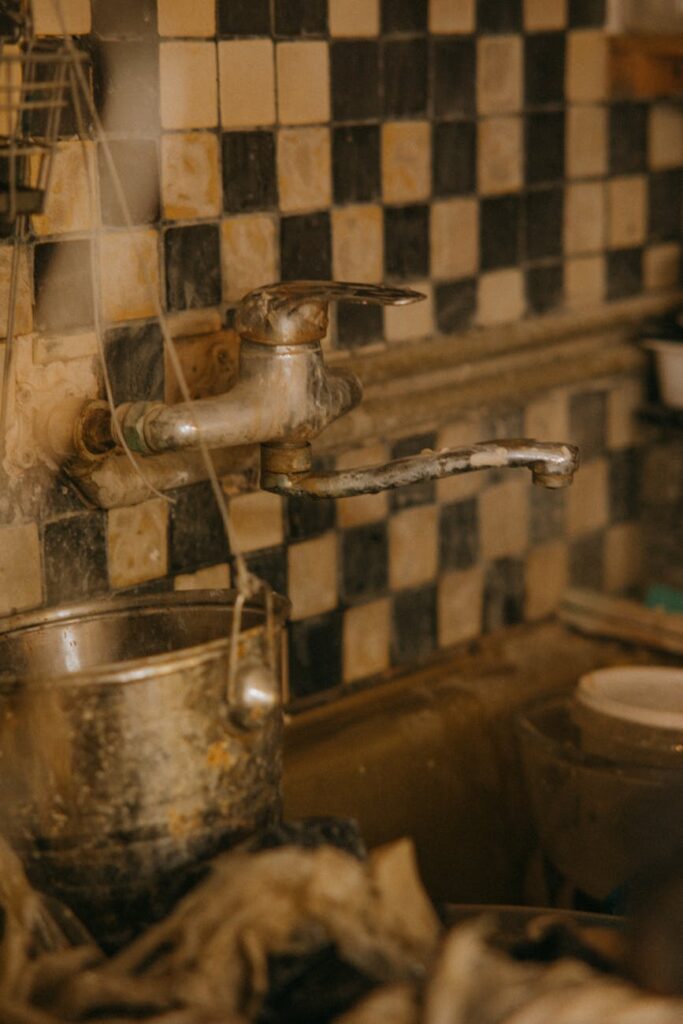
Sink Drain Stains Cleaning Guide Part 1
Introduction
Sink drain stains can be an eyesore in any kitchen or bathroom. Over time, food particles, soap scum, and mineral deposits can accumulate, leaving unsightly marks that are often difficult to remove. This guide aims to provide you with practical solutions to tackle sink drain stains effectively, ensuring your kitchen or bathroom looks its best.
What Causes Sink Drain Stains?
Understanding what causes sink drain stains can help you tackle the problem more effectively. Here are the primary culprits:
1. Food Particles: In kitchen sinks, leftover food can get stuck in the drain, leading to stains and odors.
2. Soap Scum: Soap residue from dishwashing or handwashing can build up over time, especially in hard water areas.
3. Mineral Deposits: Hard water contains minerals like calcium and magnesium, which can leave behind white or yellow stains.
4. Mold and Mildew: In damp areas, mold and mildew can form, leading to dark stains that can be challenging to remove.
Why This Problem Happens
Sink drain stains occur due to a combination of factors, including:
- Neglect: Regular cleaning is essential to prevent buildup. When sinks are not cleaned frequently, stains can develop.
- Water Quality: Areas with hard water are more prone to mineral deposits, making stains more likely.
- Sink Material: Certain materials, like stainless steel or porcelain, may show stains more readily than others.
- Baking soda
- White vinegar
- Dish soap
- A soft sponge or cloth
- A toothbrush (for hard-to-reach areas)
- A bucket
- Rubber gloves
- Using Abrasive Cleaners: Harsh chemicals can scratch surfaces, especially in stainless steel sinks.
- Ignoring Regular Maintenance: Regular cleaning is key to preventing stains from forming in the first place.
- Not Rinsing Thoroughly: Residue from cleaners can lead to new stains, so make sure to rinse well.
- Neglecting the Trap: Stains can form in the P-trap under the sink. Periodically clean it for optimal results.
- Regular Cleaning: Clean your sink and drain weekly to prevent buildup.
- Use a Sink Strainer: This will catch food particles before they enter the drain.
- Flush with Hot Water: Regularly pour hot water down the drain to help dissolve any potential buildup.
- Consider Water Softeners: If you live in a hard water area, installing a water softener can reduce mineral deposits.
Understanding these causes can help you address the stains more effectively.
How to Fix Sink Drain Stains (Step-by-Step)
Follow these simple steps to tackle sink drain stains efficiently:
Step 1: Gather Your Supplies
You’ll need:
Step 2: Remove Loose Debris
Start by clearing any visible debris or food particles from the sink and drain. Use a sponge or cloth to wipe down the surrounding area.
Step 3: Apply Baking Soda
Sprinkle a generous amount of baking soda directly into the drain. This natural abrasive will help lift stains.
Step 4: Add Vinegar
Pour white vinegar over the baking soda. You will notice fizzing as the two react. Let this sit for 10-15 minutes to break down stains.
Step 5: Scrub the Area
Using a soft sponge or cloth, scrub the drain and surrounding area. For tough stains, use a toothbrush to get into crevices.
Step 6: Rinse Thoroughly
Pour hot water down the drain to rinse away the baking soda and vinegar mixture. This will also help flush out any loosened debris.
Step 7: Apply Dish Soap
For extra cleansing, apply a few drops of dish soap to the sponge and give the sink a final scrub. Rinse thoroughly.
Step 8: Dry the Area
Use a clean, dry cloth to wipe down the sink and drain, preventing new stains from forming.
Best Cleaning Methods
Here are some effective methods for cleaning sink drain stains:
1. Baking Soda and Vinegar
This combination is not only effective but also eco-friendly, making it a top choice for many homeowners.
2. Commercial Drain Cleaners
If stains are particularly stubborn, consider using a commercial drain cleaner. Follow the manufacturer’s instructions and ensure proper ventilation.
3. Lemon Juice and Salt
For a natural option, mix lemon juice and salt to create a paste. Apply it to the stains and let it sit for 15-20 minutes before scrubbing.
4. Hydrogen Peroxide
For tough stains, hydrogen peroxide can be effective. Apply it directly to the stain, let it sit for a few minutes, then scrub and rinse.
Common Mistakes to Avoid
When cleaning sink drain stains, it’s easy to make mistakes. Here’s what to avoid:
Prevention Tips
To keep your sink free from stains, consider these preventive measures:
Frequently Asked Questions
1. How often should I clean my sink drain?
Aim to clean your sink and drain at least once a week to prevent buildup and stains.
2. What’s the best way to remove stubborn stains?
For stubborn stains, a combination of baking soda and vinegar or a commercial cleaner can be most effective.
3. Can I use bleach to clean my sink drain?
While bleach can disinfect, it may not effectively remove stains. Additionally, it can cause damage to certain sink materials.
4. Why do I have stains even after regular cleaning?
Stains can still occur due to hard water or residues that are not fully rinsed away during cleaning.
5. Are there any natural alternatives for cleaning?
Yes, baking soda, vinegar, and lemon juice are effective natural alternatives to commercial cleaners.
6. How can I prevent odors from the sink drain?
Regular cleaning and flushing with hot water can help prevent odors. You can also use a mixture of baking soda and vinegar monthly to freshen the drain.
By following these guidelines, you can effectively manage and prevent sink drain stains, keeping your home looking clean and inviting. Stay tuned for Part 2, where we’ll dive deeper into advanced cleaning techniques and solutions!