
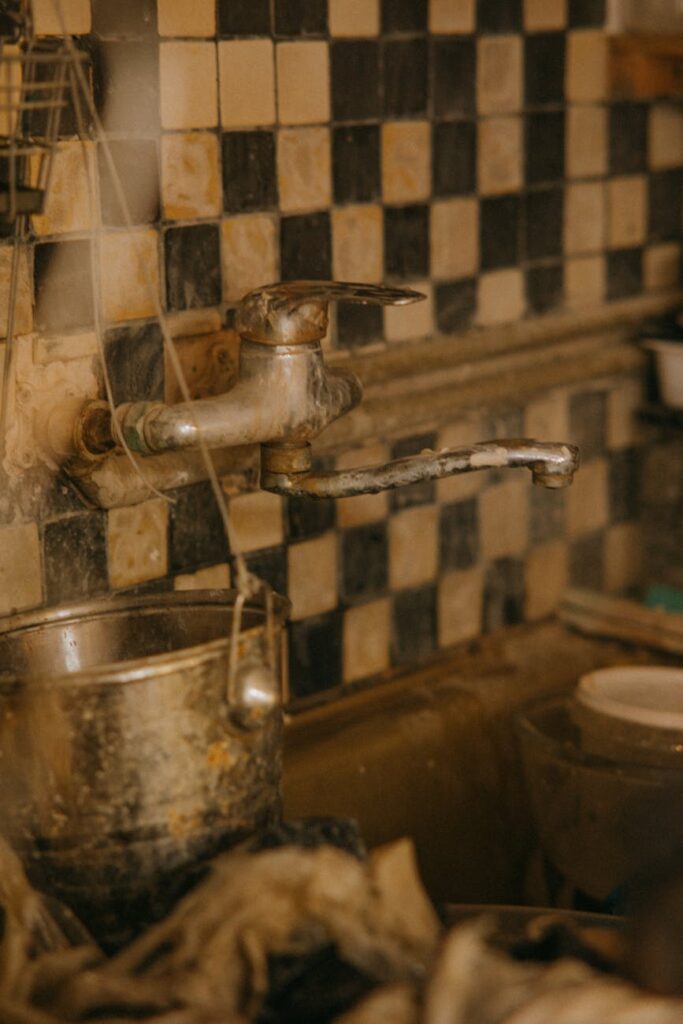
Sink Drain Stains Bathroom Guide Part 1
Introduction
Bathroom sink drain stains can be an unsightly nuisance in your home. Whether you’re dealing with rust, mineral deposits, or soap scum, these stains can accumulate quickly and be difficult to remove. In this guide, we’ll explore what causes these stains, how to effectively clean them, and provide tips to prevent them from reoccurring.
What Causes Bathroom Sink Drain Stains?
Several factors contribute to the formation of stains around your bathroom sink drain:
1. Hard Water: High mineral content in your water, particularly calcium and magnesium, can lead to white, chalky buildup.
2. Soap Scum: Residue from soaps and shampoos can create a filmy layer that, when combined with water, can harden into stains.
3. Mold and Mildew: Damp conditions make bathrooms ideal for mold and mildew growth, which can leave dark stains.
4. Rust: If your plumbing is old or made from iron, rust can leach into your sink and leave reddish-brown stains.
5. Food Particles: If you wash food items in your sink, leftover debris can contribute to staining.
Why This Problem Happens
Stains develop in bathrooms primarily due to moisture. Bathrooms are naturally humid environments, especially after showers or baths. This moisture, combined with daily use of various products, allows stains to form and persist. Additionally, neglecting regular cleaning can exacerbate the problem, making it harder to remove stains over time.
How to Fix Bathroom Sink Drain Stains (Step-by-Step)
Step 1: Gather Your Supplies
Before you start cleaning, gather the following items:
- Rubber gloves
- Soft-bristled brush or toothbrush
- White vinegar
- Baking soda
- Lemon juice
- Commercial cleaner (optional)
- Sponge or cloth
Step 2: Initial Rinse
Start by rinsing the sink with warm water to loosen any debris. This will make it easier to tackle the stains.
Step 3: Apply Vinegar
Pour white vinegar around the drain area and allow it to sit for about 10-15 minutes. The acidity of the vinegar helps to break down mineral deposits and soap scum.
Step 4: Scrub with Baking Soda
After the vinegar has had time to work, sprinkle baking soda over the same area. The combination of vinegar and baking soda will create a fizzing reaction that can help lift stubborn stains.
Step 5: Scrub Away Stains
Using your soft-bristled brush or toothbrush, scrub the area gently. Focus on the stained spots, applying more vinegar or baking soda if necessary. Rinse with warm water after scrubbing.
Step 6: Tackle Tough Stains
For particularly tough stains, apply lemon juice directly to the area and let it sit for an additional 10 minutes before scrubbing again. The citric acid in lemon juice is effective against rust and soap scum.
Step 7: Final Rinse
Rinse the sink thoroughly with warm water to remove all cleaning agents and debris. Dry the area with a soft cloth to prevent new stains from forming.
Best Cleaning Methods
For efficient stain removal, consider these methods:
1. Vinegar and Baking Soda: This classic combination is effective for most types of stains.
2. Lemon Juice: Great for rust stains, lemon juice can be applied directly and left to sit before scrubbing.
3. Commercial Cleaners: If stains persist, consider using a non-abrasive commercial cleaner specifically designed for bathroom surfaces.
4. Hydrogen Peroxide: For stubborn mold and mildew, hydrogen peroxide can be applied directly to stains and left to sit before rinsing.
Common Mistakes to Avoid
1. Using Abrasive Cleaners: Avoid steel wool or harsh scrubbers, as they can scratch surfaces.
2. Neglecting Regular Maintenance: Don’t wait for stains to become severe; regular cleaning helps prevent buildup.
3. Not Rinsing Properly: Leaving cleaning agents on surfaces can lead to further staining.
4. Ignoring Drainage Issues: Stains can also indicate clogged drains. Address plumbing issues promptly to prevent further staining.
Prevention Tips
1. Wipe Down Regularly: After each use, quickly wipe down the sink and surrounding area to prevent buildup.
2. Use a Water Softener: If hard water is a problem, installing a water softener can help reduce mineral deposits.
3. Seal Grout: If your sink has grout, sealing it can help prevent mold and mildew.
4. Choose the Right Products: Opt for soap and shampoo products that are less likely to leave residue.
5. Ventilate: Ensure proper ventilation in your bathroom to reduce humidity and prevent mold growth.
Frequently Asked Questions
1. How often should I clean my bathroom sink?
Aim to clean your bathroom sink at least once a week to prevent stains and buildup.
2. Can I use bleach to clean stains?
While bleach can be effective against mold and mildew, it can also damage surfaces. Use it sparingly and always dilute it with water.
3. What if the stains don’t come off?
For persistent stains, consider using a commercial cleaner specifically designed for tough bathroom stains or consult a professional cleaner.
4. Are there natural alternatives to commercial cleaners?
Yes, mixtures of vinegar, baking soda, and lemon juice are effective and natural alternatives for cleaning.
5. How can I tell if my water is hard?
If you notice mineral buildup on faucets and fixtures, or if soap doesn’t lather well, you may have hard water.
6. Is it safe to use vinegar on all sink materials?
While vinegar is safe for most surfaces, avoid using it on marble or granite, as it can damage the finish.
By following this guide, you can tackle sink drain stains effectively and maintain a cleaner, more inviting bathroom. Stay tuned for Part 2, where we’ll delve into more advanced cleaning techniques and solutions!