
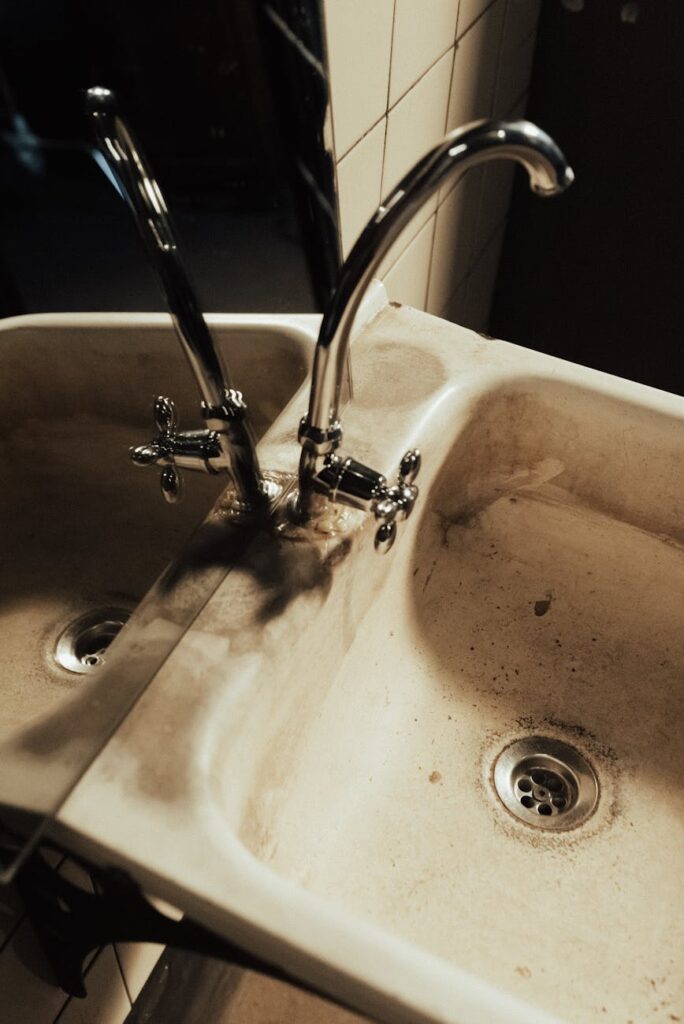
Sink Drain Smell Odours Guide Part 1
Introduction
Dealing with unpleasant smells emanating from your sink drain can be frustrating. Not only do they make your kitchen or bathroom uninviting, but they can also signal underlying issues that require attention. This guide will help you understand the causes of sink drain odours and provide actionable steps to eliminate them effectively.
What Causes Odours?
Sink drain smells can arise from various sources. Here are the most common culprits:
1. Food Particles: Leftover food trapped in the drain can rot and emit foul odours.
2. Grease Buildup: Grease can accumulate over time, leading to rancid smells.
3. Mold and Mildew: Excess moisture can promote the growth of mold and mildew in drains, resulting in musty odours.
4. Sewer Gas: A dry P-trap (the U-shaped pipe under the sink) can allow sewer gases to escape into your home.
5. Clogs: Obstructions in the drain can trap waste and cause smells to linger.
Why This Problem Happens
Understanding why sink odours occur helps in effectively addressing them. Here are some reasons:
- Neglected Cleaning: Regular cleaning is often overlooked, allowing debris to accumulate.
- Improper Disposal: Some homeowners dispose of items that should never go down the drain, leading to blockages.
- Insufficient Ventilation: Poorly ventilated spaces can trap moisture, encouraging mold growth.
- Old Plumbing: Aging pipes can harbor bacteria and decay, leading to persistent smells.
- Remove the drain cover and visually inspect for visible debris or buildup.
- Use a flashlight if needed.
- Use a pair of gloves and a small brush to remove any food particles or grease buildup.
- Consider using a sink strainer in the future to catch debris.
- Boil a kettle of water.
- Carefully pour the hot water down the drain to help dissolve any remaining grease or soap residue.
- Pour 1/2 cup of baking soda into the drain.
- Follow with 1/2 cup of white vinegar.
- Allow it to sit for 30 minutes before flushing with hot water.
- Place a bucket under the sink to catch any water.
- Loosen the slip nuts on the P-trap and remove it.
- Clean the trap with warm, soapy water, then reassemble.
- Ensure that your kitchen or bathroom is well-ventilated.
- Open windows or use exhaust fans to reduce moisture buildup.
- Ignoring Regular Maintenance: Neglecting regular cleaning can lead to bigger problems.
- Using Chemical Drain Cleaners Too Often: Overuse can damage pipes and worsen odours.
- Pouring Grease Down the Drain: Always dispose of grease in the trash.
- Using the Wrong Tools: Avoid using harsh tools that can scratch or damage your plumbing.
How to Fix Odours (Step-by-Step)
Follow these steps to eliminate sink drain odours effectively:
Step 1: Inspect the Drain
Step 2: Clear Visible Debris
Step 3: Flush with Hot Water
Step 4: Use Baking Soda and Vinegar
Step 5: Clean the P-Trap
Step 6: Check the Ventilation
Best Cleaning Methods
Here are some effective cleaning methods to keep your sink drain odour-free:
1. Baking Soda and Vinegar
This classic combination neutralizes odours and helps break down buildup. It’s safe for most plumbing.
2. Enzyme Cleaners
These are specially formulated to break down organic matter. Follow the instructions on the product for best results.
3. Commercial Drain Cleaners
If your odours persist, you might consider a commercial drain cleaner. Always read the label and ensure it’s safe for your plumbing.
4. Regular Hot Water Flushes
Make it a habit to flush your drain with hot water weekly to prevent grease buildup.
Common Mistakes to Avoid
To effectively combat sink drain odours, avoid these common mistakes:
Prevention Tips
Preventing sink drain odours is easier than you think. Here are some tips:
1. Use a Sink Strainer: This will catch food particles and prevent them from going down the drain.
2. Avoid Disposal of Non-Flushable Items: Only put organic waste down the sink.
3. Regular Cleaning: Establish a routine for cleaning your sink and drain.
4. Keep Water Flowing: Run hot water through the sink after each use to help flush away residue.
5. Check for Leaks: Regularly inspect for leaks or issues that may lead to odours.
Frequently Asked Questions
1. How often should I clean my sink drain?
Aim to clean your sink drain at least once a month to prevent buildup.
2. What can I do if the smell persists after cleaning?
If the odour persists, consider consulting a plumber to check for deeper blockages or plumbing issues.
3. Are there natural alternatives to chemical cleaners?
Yes, baking soda and vinegar are effective natural cleaners that are safe for most plumbing.
4. Can odors from the sink affect my entire home?
Yes, strong odours can spread through your home, making it smell unpleasant.
5. Is it safe to use boiling water on all types of pipes?
While boiling water is generally safe, avoid it on PVC pipes as it can soften and damage them.
6. What should I do if I suspect sewer gas is coming through the drain?
If you suspect sewer gas, it’s crucial to check the P-trap and ensure it has water in it. If the problem persists, contact a plumber immediately.
By following the steps outlined in this guide, you can effectively tackle sink drain smells and maintain a fresher home. Stay tuned for Part 2, where we’ll explore more advanced cleaning techniques and solutions for persistent odours.