
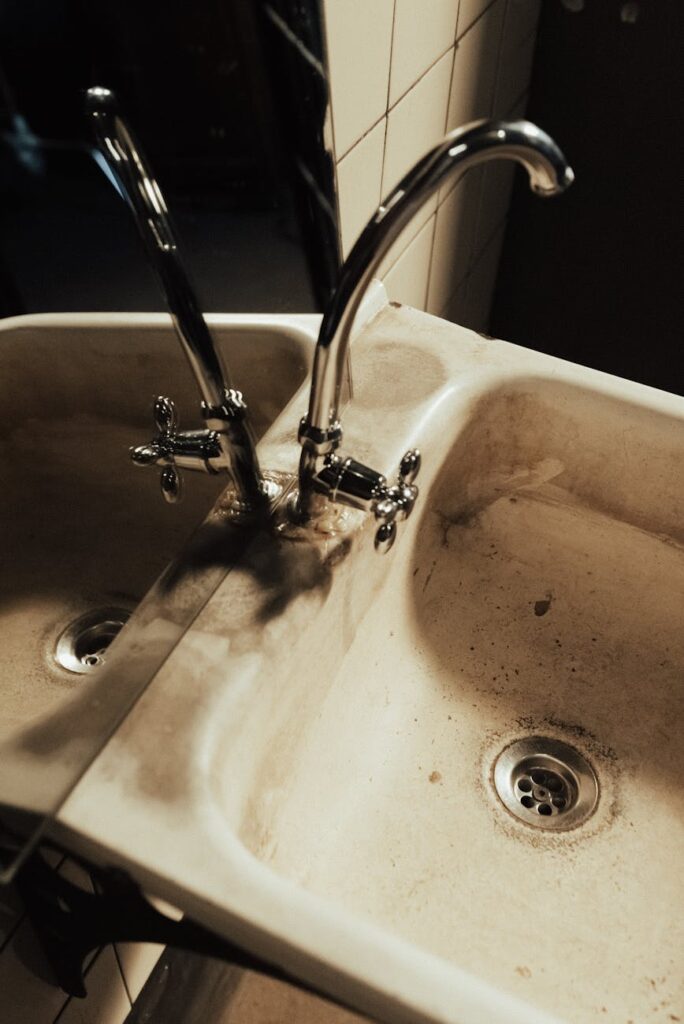
Sink Drain Smell Mould & Damp Guide Part 1
Introduction
A sink drain that emits a foul smell can disrupt your home’s atmosphere and indicate underlying issues like mould and damp. This guide aims to help you understand the causes of these unpleasant odors, how to fix the problem, and ways to prevent it from recurring.
What Causes Mould & Damp?
Mould and dampness in sink drains primarily arise from:
- Moisture: Excess water accumulates in the pipes and sink area.
- Food Particles: Leftover food can become a breeding ground for mould.
- Poor Ventilation: Lack of airflow keeps the area damp.
- Clogged Drains: Blockages trap water, leading to mould growth.
- Baking soda
- White vinegar
- A scrub brush or toothbrush
- Rubber gloves
- A bucket
- Hot water
- Put on Gloves: Protect your hands from mould and cleaning agents.
- Scrub the Sink: Use a scrub brush to clean the sink and drain area, removing any visible mould.
Understanding these causes is the first step in addressing the smell effectively.
Why This Problem Happens
The combination of moisture and organic material in your sink drain creates an ideal environment for mould. Here’s a closer look at why this happens:
1. Water Accumulation: Regular use of sinks can lead to water pooling, especially if there’s a slow drain.
2. Food Residue: Tiny bits of food that escape the disposal can stick to the sides of pipes, decaying over time.
3. Humidity: Bathrooms and kitchens are often humid, which can exacerbate mould growth.
4. Neglected Cleaning: Regular cleaning is key; without it, mould can flourish unnoticed.
By identifying these factors, you can take targeted action to resolve the smell.
How to Fix Mould & Damp (Step-by-Step)
Here’s a straightforward approach to eliminate mould and damp from your sink drain:
Step 1: Gather Supplies
You will need:
Step 2: Clear the Area
Remove any items around the sink to create a clear workspace.
Step 3: Remove Visible Mould
Step 4: Flush the Drain
1. Pour Baking Soda: Start by pouring half a cup of baking soda down the drain.
2. Add Vinegar: Follow with half a cup of white vinegar. You’ll notice fizzing; this is a good sign.
3. Wait: Let the mixture sit for about 15 minutes.
4. Flush with Hot Water: Finally, pour boiling water down the drain to wash away any debris and remaining mould.
Step 5: Clean the Trap
If the smell persists, clean the trap:
1. Remove the Trap: Unscrew and take out the drain trap under the sink.
2. Clean It: Scrub it thoroughly with hot, soapy water.
3. Reassemble: Put it back in place and ensure it’s sealed properly.
Step 6: Dry the Area
Use a cloth to dry the sink and surrounding area thoroughly to prevent moisture accumulation.
Best Cleaning Methods
1. Baking Soda and Vinegar
This duo is highly effective at breaking down organic matter and neutralizing odors.
2. Dish Soap and Hot Water
A simple mix of dish soap and hot water can help dissolve grease and food particles.
3. Commercial Drain Cleaners
If the problem persists, consider using a commercial drain cleaner specifically designed for mould and mildew. Follow the instructions carefully.
4. Essential Oils
Adding a few drops of essential oils like tea tree oil or eucalyptus to your cleaning routine can help combat mould due to their natural antifungal properties.
Common Mistakes to Avoid
1. Ignoring Clogs
Don’t ignore slow drains. They can lead to water pooling and mould growth.
2. Not Cleaning Regularly
Neglect can lead to larger problems. Regular cleaning is essential in preventing mould and damp.
3. Using the Wrong Products
Avoid harsh chemicals that can damage pipes. Stick to natural or safe commercial cleaners.
4. Forgetting the Trap
Many homeowners overlook the trap for cleaning. Ensure it’s part of your regular maintenance routine.
Prevention Tips
1. Proper Ventilation
Ensure your kitchen and bathroom are well-ventilated. Open windows or use exhaust fans to reduce humidity.
2. Regular Cleaning
Schedule a weekly cleaning of your sink and drain. This will help prevent food build-up and mould growth.
3. Use a Sink Strainer
A sink strainer can catch food particles, preventing them from going down the drain.
4. Dry the Sink
After using the sink, wipe it down to remove excess moisture.
5. Regularly Flush with Hot Water
Make it a habit to flush your sink drain with hot water weekly. This helps keep pipes clear of debris.
Frequently Asked Questions
1. How often should I clean my sink drain?
Aim to clean your sink drain at least once a week to prevent build-up.
2. Can I use bleach to clean mould in my sink?
While bleach can kill mould, it’s not always effective in drains and can damage pipes. Opt for baking soda and vinegar instead.
3. What are the signs of mould in my sink drain?
Signs include a foul smell, visible black or green spots, and slow drainage.
4. Is it safe to use commercial drain cleaners?
Yes, but always follow the directions and ensure good ventilation. Some cleaners can be harsh on pipes.
5. Can mould in the sink drain affect my health?
While this guide does not provide medical advice, mould can cause respiratory issues in sensitive individuals. It’s best to address it promptly.
6. How can I tell if my drain is clogged?
Signs of a clogged drain include slow draining water, gurgling sounds, and persistent foul smells.
By following this guide, you can effectively tackle the issue of mould and damp in your sink drain, ensuring a fresher and healthier environment in your home. Stay tuned for Part 2, where we’ll delve into advanced cleaning techniques and long-term solutions!