
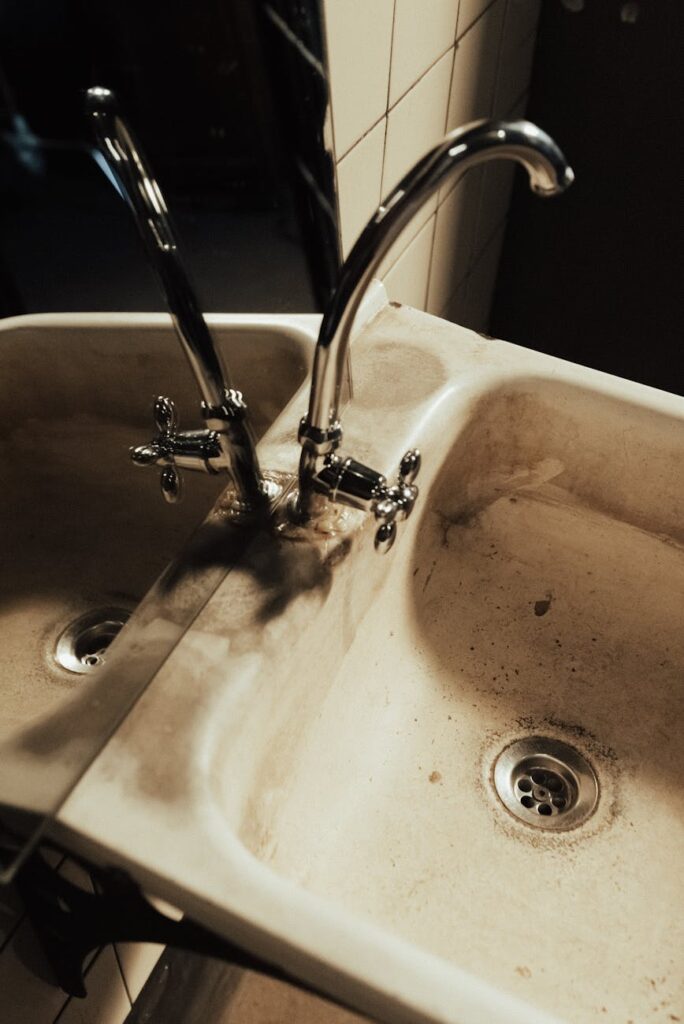
Sink Drain Smell Appliances Guide Part 1
Introduction
Sink drain smells can be a major nuisance in any home. They can linger and create an unpleasant environment, often signaling an underlying issue with your plumbing or appliances. This guide will help you understand the causes of these odors, how to fix the problem, and prevent it from recurring.
What Causes Appliances?
Appliances connected to your sink, such as dishwashers and garbage disposals, can contribute to foul odors. Here are some common causes:
1. Food Residue: Leftover food particles can get trapped and decompose, leading to bad smells.
2. Bacterial Growth: Warm, moist environments are perfect for bacteria to thrive, particularly in dishwashers and garbage disposals.
3. Clogs: Partial blockages in your plumbing can trap stagnant water, resulting in unpleasant odors.
4. Old Pipes: Worn-out plumbing can harbor debris and bacteria, leading to persistent smells.
5. Sewer Gas: Faulty seals or plumbing issues can allow sewer gas to escape into your home.
Why This Problem Happens
Understanding why these unpleasant smells occur is essential for tackling the problem effectively. Here are the primary reasons:
- Poor Cleaning Habits: Not regularly cleaning your appliances can lead to a buildup of food particles and bacteria.
- Neglected Maintenance: Failing to service your appliances can allow problems to develop unnoticed.
- Infrequent Use: Appliances that aren’t used often can develop odors due to stagnant water and trapped particles.
- Improper Installation: Incorrectly installed plumbing can lead to leaks and other issues that cause odors.
- Check Your Garbage Disposal: Run it while pouring cold water to see if the smell persists. If it does, this is likely the source.
- Inspect Your Dishwasher: Open it after a cycle and smell around the door and interior.
- Look for Clogs: Use a flashlight to examine your sink drain for any visible blockages.
- Baking Soda and Vinegar: This classic combo is effective for neutralizing odors and breaking down residue.
- Bleach Solution: For tough bacteria, a diluted bleach solution (1 part bleach to 10 parts water) can be used, but ensure proper ventilation.
- Commercial Cleaners: There are many products specifically designed for drains and disposals. Follow the instructions carefully.
- Lemon or Citrus Peels: Rubbing lemon peels or orange peels inside the disposal can leave a fresh scent while cleaning.
How to Fix Appliances (Step-by-Step)
Step 1: Identify the Source
Step 2: Clean the Garbage Disposal
1. Turn Off Power: Safety first! Unplug the disposal or turn off its circuit breaker.
2. Remove Debris: Use tongs to pull out any visible food waste.
3. Use Baking Soda and Vinegar: Pour 1/2 cup of baking soda and 1/2 cup of vinegar down the disposal. Let it fizz for 10-15 minutes.
4. Flush with Hot Water: Run hot water down the disposal to rinse it out.
Step 3: Clean the Dishwasher
1. Empty the Dishwasher: Remove all dishes and utensils.
2. Inspect the Filter: Remove and clean the filter according to your manufacturer’s instructions.
3. Run a Cleaning Cycle: Use a dishwasher cleaner or a cup of vinegar placed on the top rack and run a hot cycle.
Step 4: Clear the Sink Drain
1. Use a Plunger: If you suspect a clog, try plunging the sink.
2. Drain Snake: If plunging doesn’t work, use a drain snake to remove deeper clogs.
3. Flush with Hot Water: After clearing, run hot water down the sink to ensure everything is flowing freely.
Best Cleaning Methods
Common Mistakes to Avoid
1. Ignoring Regular Maintenance: Skipping regular cleaning and maintenance can lead to bigger issues down the road.
2. Using Too Much Water: Flooding your disposal with water can make odors worse, as it traps debris.
3. Pouring Grease Down the Drain: This solidifies and can cause serious clogs, leading to smells.
4. Not Checking for Drainage Issues: Failing to address slow drainage can allow odors to build up.
Prevention Tips
1. Regular Cleaning: Establish a routine cleaning schedule for your garbage disposal and dishwasher.
2. Run Hot Water: After using the disposal, always run hot water to flush out any remaining particles.
3. Use a Disposal Freshener: Consider using a disposal freshener tablet once a month to keep odors at bay.
4. Install a Trap: Ensure all plumbing has traps to prevent sewer gas from entering your home.
5. Keep the Sink Dry: Wipe down the sink after use to prevent moisture accumulation.
Frequently Asked Questions
1. How often should I clean my garbage disposal?
You should clean your garbage disposal at least once a month to prevent odors and buildup.
2. What should I do if the smell persists after cleaning?
If the smell continues, consider checking for clogs deeper in the plumbing or call a plumber for assistance.
3. Can I use essential oils to mask sink drain smells?
While essential oils can provide temporary relief, they do not address the underlying issue. It’s best to clean first.
4. Are there natural cleaners I can use?
Yes, baking soda and vinegar are effective natural cleaners for most odors and can be used safely.
5. Why does my dishwasher smell like rotten eggs?
This can be caused by food residue trapped in the filter or drain. Clean the filter and run a cleaning cycle to resolve the issue.
6. How can I tell if my plumbing has a leak?
Signs of a leak can include water stains, dampness around pipes, or a musty smell. If you suspect a leak, consult a plumber.
By following these steps and tips, you can effectively tackle sink drain smells caused by appliances, ensuring a fresher, cleaner home environment. Regular maintenance and cleaning are key to preventing these odors from becoming a recurring problem.