
Sink Drain Odor Mould & Damp Guide Part 1
Introduction
Dealing with sink drain odors can be a persistent nuisance in any home. One common cause of this unpleasant smell is mould and dampness that often lurks in the dark corners of your plumbing. Understanding how mould and damp form, how to eliminate them, and how to prevent their return is crucial for maintaining a fresh and clean kitchen or bathroom.
In this comprehensive guide, we’ll delve into the causes of mould and damp in sink drains, provide step-by-step solutions to tackle the issue, and offer tips to keep your drains smelling fresh.
What Causes Mould & Damp?
Mould and dampness thrive in moist environments, making sink drains a prime target. Here are some primary causes:
- Poor Ventilation: Stagnant air creates a conducive environment for moisture accumulation, leading to mould growth.
- Clogged Drains: Food particles, hair, and other debris can obstruct water flow, trapping moisture and allowing mould to flourish.
- Leaky Pipes: Even minor leaks can introduce enough moisture to encourage mould growth.
- Humidity: High humidity levels in your home can contribute to dampness in sinks.
- Infrequent Cleaning: Regular cleaning is essential. Neglecting your sink drains allows mould spores to settle and grow.
- Organic Material Build-Up: Fats, oils, and food residues provide ideal sustenance for mould.
- Environmental Conditions: Areas with high humidity or poor air circulation are more susceptible to moisture and mould problems.
- Rubber gloves
- A bucket
- White vinegar
- Baking soda
- A scrub brush or an old toothbrush
- A flashlight
- Dish soap
- Neglecting Regular Maintenance: Regularly clean your drains to prevent mould build-up.
- Using Excessive Chemical Cleaners: Overusing harsh chemicals can damage your plumbing and the environment.
- Ignoring Leaks: Address any leaks promptly to minimize moisture accumulation.
- Skipping Drying: Always dry your sink and surrounding areas after cleaning to prevent future mould growth.
- Regular Cleaning: Clean your sink and drains at least once a month to prevent build-up.
- Adequate Ventilation: Ensure your kitchen and bathroom have proper ventilation to reduce humidity levels.
- Use Drain Covers: Install drain covers to catch debris before it enters the drain.
- Monitor Humidity Levels: Consider using a dehumidifier in areas prone to dampness, especially during humid months.
Why This Problem Happens
Understanding the underlying reasons behind mould and damp in sink drains can help homeowners take preventive measures. Here are some contributing factors:
How to Fix Mould & Damp (Step-by-Step)
If you’re already facing a mould problem in your sink drains, follow these steps to fix it:
Step 1: Gather Your Supplies
Before you start, gather the following materials:
Step 2: Inspect the Sink and Drain
Use a flashlight to inspect your sink and drain for visible signs of mould or dampness. Check for any leaks around the pipes. If you see mould growth, you’ll need to address it promptly.
Step 3: Clear the Area
Remove any items around the sink to give you space to work. Ensure the area is dry before proceeding.
Step 4: Pour Baking Soda and Vinegar
Start by pouring a half-cup of baking soda down the drain, followed by a half-cup of white vinegar. This combination creates a fizzy reaction that can help dislodge debris and kill mould.
Step 5: Let It Sit
Allow the mixture to sit for about 30 minutes. During this time, it will break down any build-up in the pipes.
Step 6: Flush with Hot Water
After 30 minutes, boil a kettle of water. Carefully pour the hot water down the drain to flush away the baking soda and vinegar mixture. This step will help remove any loosened debris.
Step 7: Scrub the Sink
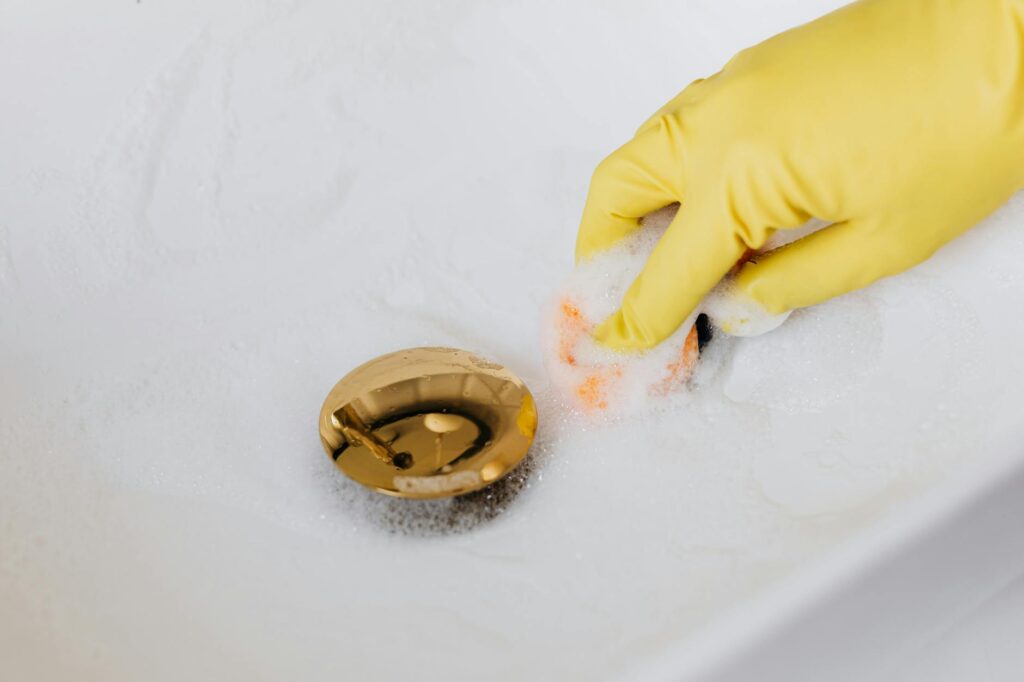
While the drain is clearing, use a scrub brush or an old toothbrush to clean around the sink and faucet areas. Pay special attention to any corners or crevices where mould can accumulate.
Step 8: Rinse and Dry
Once you’ve scrubbed the sink, rinse it thoroughly with hot water. After rinsing, dry the sink and surrounding areas to remove any residual moisture.
Step 9: Check for Leaks
Inspect the pipes under the sink for any signs of leaks. If you find any, consider calling a plumber for repairs.
Best Cleaning Methods
Here are some effective cleaning methods to combat mould and damp in sink drains:
1. Vinegar and Baking Soda: As mentioned, this combination is excellent for breaking down debris and killing mould.
2. Hydrogen Peroxide: A mixture of hydrogen peroxide and water can be effective for disinfecting and removing mould stains.
3. Commercial Drain Cleaners: If natural methods don’t work, consider using a commercial drain cleaner designed to tackle mould and mildew. However, ensure it’s safe for your plumbing system.
4. Bleach Solution: A diluted bleach solution can be effective for cleaning surfaces, but use it cautiously and ensure proper ventilation.
Common Mistakes to Avoid
Avoid these pitfalls to ensure effective cleaning:
Prevention Tips
To keep your sink drains free from mould and dampness, follow these prevention strategies:
Frequently Asked Questions
1. How often should I clean my sink drain?
Aim for at least once a month to keep mould and odours at bay.
2. Can I use bleach to clean my sink drain?
Yes, but use it sparingly and ensure the area is well-ventilated. Rinse thoroughly afterward.
3. What should I do if the smell persists after cleaning?
If the odour continues, check for hidden leaks or consider calling a plumber to inspect the plumbing system.
4. Can mould in drains affect my health?
While we won’t cover health implications here, mould can create an unpleasant environment. If you have concerns, consult a professional.
5. Are there natural alternatives to commercial cleaners?
Yes, vinegar, baking soda, and hydrogen peroxide are excellent natural cleaning agents.
6. How do I prevent mould in my sink drain?
Regular cleaning, eliminating debris, and ensuring proper ventilation are key steps to prevention.
By following these guidelines, you can effectively manage mould and damp in your sink drains, ensuring your home remains fresh and pleasant. Stay tuned for Part 2 of our guide, where we’ll explore more advanced techniques for tackling persistent sink drain issues.