
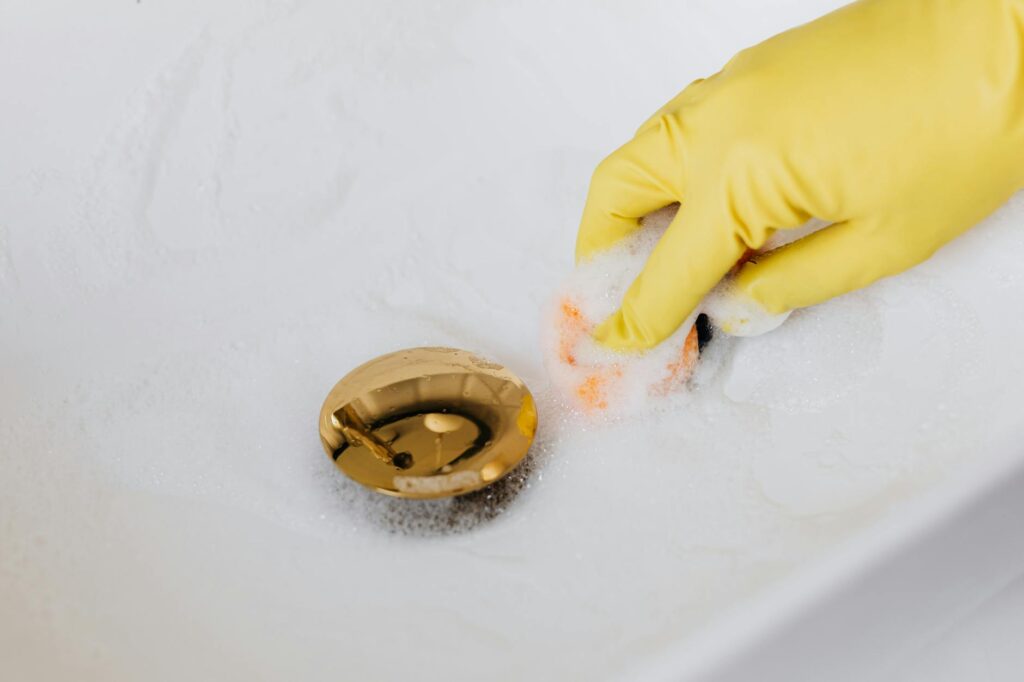
Sink Drain Odor Bathroom Guide Part 1
Introduction
A foul odor emanating from your bathroom sink drain can be a frustrating issue. Not only is it unpleasant, but it can also indicate underlying problems that need attention. This guide aims to help you understand the causes of sink drain odors, how to fix them, and ways to prevent them from returning.
What Causes Bathroom Sink Drain Odor?
Several factors can contribute to unpleasant odors coming from your bathroom sink drain. Understanding these causes can help you effectively tackle the problem.
1. Buildup of Organic Matter: Hair, soap scum, toothpaste, and food remnants can accumulate in your drain, leading to decay and odor.
2. Dry P-Trap: The P-trap is a curved section of pipe that holds water to prevent sewer gases from entering your home. If it dries out, odors can escape.
3. Clogs: A clog in the drain can trap stagnant water and organic matter, resulting in foul smells.
4. Mold and Mildew: Moist environments, like bathrooms, can foster mold growth, which can contribute to odors.
5. Ventilation Issues: If your plumbing vent is blocked, it can create pressure issues that lead to odors escaping through drains.
Why This Problem Happens
Understanding why these odors occur helps in addressing them effectively.
1. Neglecting Regular Cleaning: Regular cleaning of your sink and drain can prevent the buildup of debris and organic matter.
2. Infrequent Use: Sinks that aren’t used frequently can have their P-trap dry out, allowing odors to escape.
3. Improper Installation: Poorly installed plumbing can lead to inadequate drainage and ventilation problems.
4. Age of Plumbing: Older plumbing may have accumulated more debris over time, making it more prone to odors.
How to Fix Bathroom Sink Drain Odor (Step-by-Step)
Here’s a straightforward process to tackle sink drain odors effectively:
Step 1: Inspect the Drain
- Check for Visible Clogs: Remove the sink stopper and look down the drain for any visible blockages.
- Run Water: Turn on the faucet and let water run for a minute to see if it drains properly.
- Wipe Down: Use a disinfectant cleaner to wipe down the sink and surrounding areas.
- Remove Debris: Manually remove any hair or debris from the sink and the drain opening.
- Check for Dryness: If the P-trap feels dry, simply run water down the drain to refill it.
- Clean the P-Trap: If accessible, remove the P-trap and clean it thoroughly. This will remove any accumulated debris.
- Baking Soda and Vinegar: Pour half a cup of baking soda followed by half a cup of vinegar down the drain. Let it sit for 30 minutes, then flush with hot water.
- Commercial Drain Cleaner: As an alternative, use a commercial drain cleaner following the instructions on the label.
- Inspect Vent Pipes: If you have access to your plumbing, check for any blockages in the vent pipes.
- Call a Professional: If you suspect a blockage, it may be best to consult a plumber.
Step 2: Clean the Sink
Step 3: Address the P-Trap
Step 4: Use a Cleaning Solution
Step 5: Check Ventilation
Best Cleaning Methods
Several cleaning methods can help eliminate odors effectively:
1. Baking Soda and Vinegar: This is a natural and effective method to deodorize drains.
2. Boiling Water: Pouring boiling water down the drain can help dissolve grease and eliminate odors.
3. Lemon Juice: The acidity in lemon juice can help combat odors. Pour it down the drain followed by hot water.
4. Enzyme Drain Cleaners: These cleaners use natural enzymes to break down organic matter without harmful chemicals.
Common Mistakes to Avoid
To effectively manage sink drain odors, avoid these common pitfalls:
1. Ignoring Regular Maintenance: Regular cleaning and inspection can prevent odors before they start.
2. Using Harsh Chemicals: Some chemicals can damage plumbing. Opt for natural solutions when possible.
3. Neglecting the P-Trap: Always check and clean the P-trap regularly to prevent buildup.
4. Overloading the Drain: Avoid washing large amounts of hair, soap, or grease down the sink.
Prevention Tips
Preventing sink drain odors is often easier than fixing them. Here are some simple tips:
1. Regular Cleaning: Clean your sink and drain at least once a month to prevent buildup.
2. Run Water Regularly: If you don’t use your sink often, run water down the drain occasionally to keep the P-trap filled.
3. Use Drain Screens: Install screens over your drain to catch hair and debris before they enter the plumbing.
4. Be Mindful of What Goes Down: Avoid rinsing food, hair, or grease down the sink.
5. Ventilation: Ensure your bathroom has good ventilation to reduce moisture and prevent mold growth.
Frequently Asked Questions
1. How often should I clean my sink drain?
Aim to clean your sink drain at least once a month to prevent odors and buildup.
2. Can I use bleach to clean my drain?
While bleach can disinfect, it may not effectively remove buildup and can harm your plumbing. Use vinegar or baking soda instead.
3. What should I do if the odor persists after cleaning?
If odors continue, check for clogs further down the drain or consult a plumber for potential plumbing issues.
4. Is it normal for the P-trap to dry out?
Yes, if a sink isn’t used regularly, the P-trap can dry out. It’s important to run water down the drain occasionally.
5. Can I use essential oils to mask drain odors?
While essential oils can temporarily mask odors, they won’t fix the underlying problem. Address the cause first.
6. What are signs that I need to call a plumber?
If you experience frequent clogs, persistent odors, or slow drainage after cleaning, it may be time to consult a professional.
By following this guide, you can tackle sink drain odors effectively and maintain a fresh-smelling bathroom. Stay proactive with regular cleaning and preventive measures to keep your space inviting.