
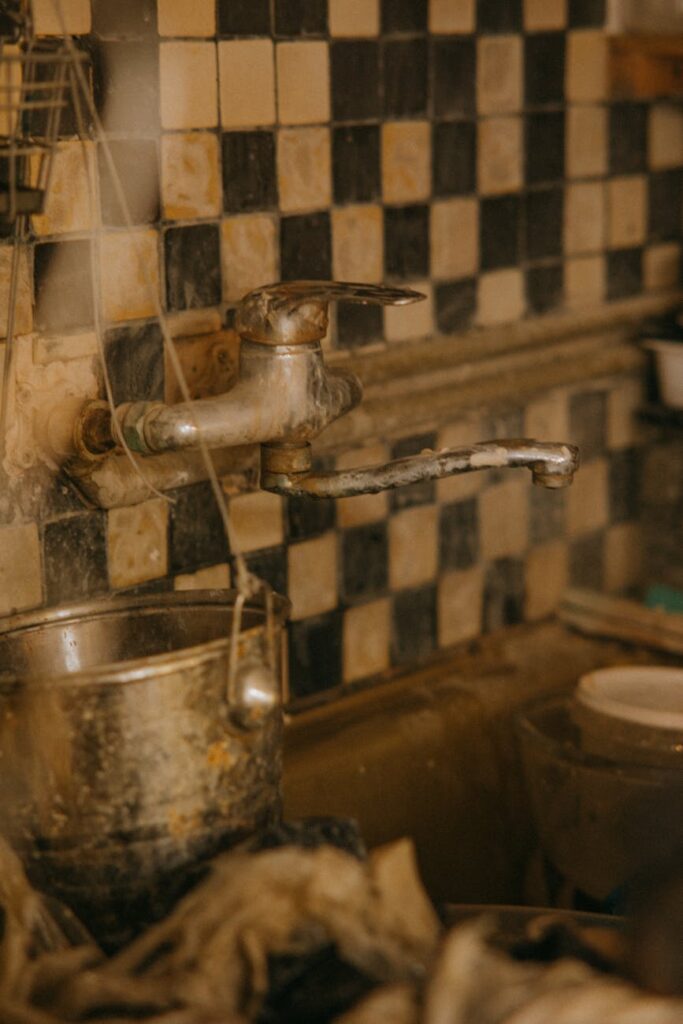
Sink Drain Mold Laundry Guide Part 1
Introduction
Laundry isn’t just about washing clothes; it also involves maintaining a clean and safe environment for your fabrics. One of the hidden problems many homeowners face is mold in their sink drains, which can affect the cleanliness of your laundry. This guide will help you understand the causes, consequences, and solutions for dealing with sink drain mold effectively.
What Causes Laundry?
Mold thrives in damp, dark environments, making sink drains an ideal breeding ground. Moisture from wet clothes, leftover detergent, and food particles creates a perfect storm for mold growth. If your laundry sink is frequently used but not properly cleaned, mold can quickly become a problem.
Why This Problem Happens
There are a few primary reasons why sink drain mold occurs:
1. Poor Drainage: If your sink doesn’t drain properly, water can accumulate, leading to mold growth.
2. High Humidity: A humid laundry area can contribute to moisture buildup, increasing the likelihood of mold.
3. Leftover Detergent: Residue from detergent can create a sticky environment that attracts mold spores.
4. Neglected Maintenance: If you rarely clean your laundry sink and drain, it becomes a breeding ground for mold.
Understanding these factors can help you take proactive steps to tackle the issue.
How to Fix Laundry (Step-by-Step)
If you’ve discovered mold in your sink drain, follow these steps for effective cleaning:
Step 1: Gather Your Supplies
- Rubber gloves
- Mask (to avoid inhaling mold spores)
- Scrub brush or old toothbrush
- Bucket
- Vinegar
- Baking soda
- Dish soap
- Hot water
- Clear the sink and surrounding area of any items.
- Ensure good ventilation by opening windows or turning on a fan.
- Pour a cup of baking soda down the drain.
- Follow it with a cup of vinegar. This combination will fizz and help break down mold.
Step 2: Prepare the Area
Step 3: Apply Baking Soda and Vinegar
Step 4: Let it Sit
Allow the mixture to sit for about 30 minutes. This gives it time to work on the mold buildup.
Step 5: Scrub the Drain
Use a scrub brush or an old toothbrush to scrub the drain and surrounding areas. Pay attention to any visible mold.
Step 6: Rinse
Flush the drain with hot water to wash away the baking soda, vinegar, and any dislodged mold.
Step 7: Clean the Sink
Use a mixture of dish soap and hot water to clean the sink itself. Rinse thoroughly.
Step 8: Dry the Area
Wipe the sink and surrounding area dry with a clean towel to prevent future moisture accumulation.
Best Cleaning Methods
To keep your sink drain mold-free, consider these effective cleaning methods:
1. Vinegar and Baking Soda: As mentioned, this combination is excellent for breaking down mold and keeping drains clean.
2. Bleach Solution: For severe mold, a diluted bleach solution (1 part bleach to 10 parts water) can be effective. Always rinse well afterward.
3. Essential Oils: Tea tree oil or lavender oil can act as natural mold inhibitors. Add a few drops to your cleaning solution.
4. Commercial Cleaners: There are many mold and mildew cleaners available that can effectively remove mold from drains.
Common Mistakes to Avoid
When tackling sink drain mold, avoid these common pitfalls:
1. Skipping Safety Gear: Always wear gloves and a mask to protect yourself from mold spores.
2. Using Too Much Water: Excessive moisture can worsen the situation. Use just enough to clean without flooding the area.
3. Neglecting Maintenance: Regular cleaning is key. Don’t wait for mold to build up before addressing it.
4. Ignoring Drainage Issues: If your sink doesn’t drain properly, fix the plumbing issue before cleaning.
Prevention Tips
Preventing mold in your sink drain is simpler than dealing with it after it appears. Here are some tips:
1. Regular Cleaning: Make it a habit to clean your laundry sink and drain every month.
2. Dry the Sink: After using the sink, dry it with a towel to minimize moisture.
3. Use Drain Screens: These can catch debris and prevent clogs that hold moisture.
4. Ventilation: Ensure your laundry area is well-ventilated to reduce humidity.
5. Monitor Humidity Levels: Keep an eye on humidity levels in your laundry space. A dehumidifier can help if needed.
Frequently Asked Questions
1. How often should I clean my laundry sink?
Aim to clean your laundry sink and drain at least once a month to prevent mold buildup.
2. Can I use bleach to clean mold in my sink drain?
Yes, but use it carefully and dilute it with water. Always rinse thoroughly afterward.
3. What if the mold keeps coming back?
If mold reappears frequently, check for drainage issues or high humidity levels in your laundry area.
4. Is it safe to use essential oils for cleaning?
Yes, essential oils like tea tree and lavender can be safe and effective for mold prevention.
5. Can mold affect my laundry?
Yes, mold in your sink can transfer to your clothes, leading to unpleasant odors and potential health risks.
6. Should I call a professional for mold problems?
If you have a severe mold issue or plumbing problems, it may be best to call a professional for help.
By following this guide, you can effectively deal with sink drain mold and keep your laundry area clean and safe. Stay proactive, and you’ll enjoy a fresher laundry experience!