
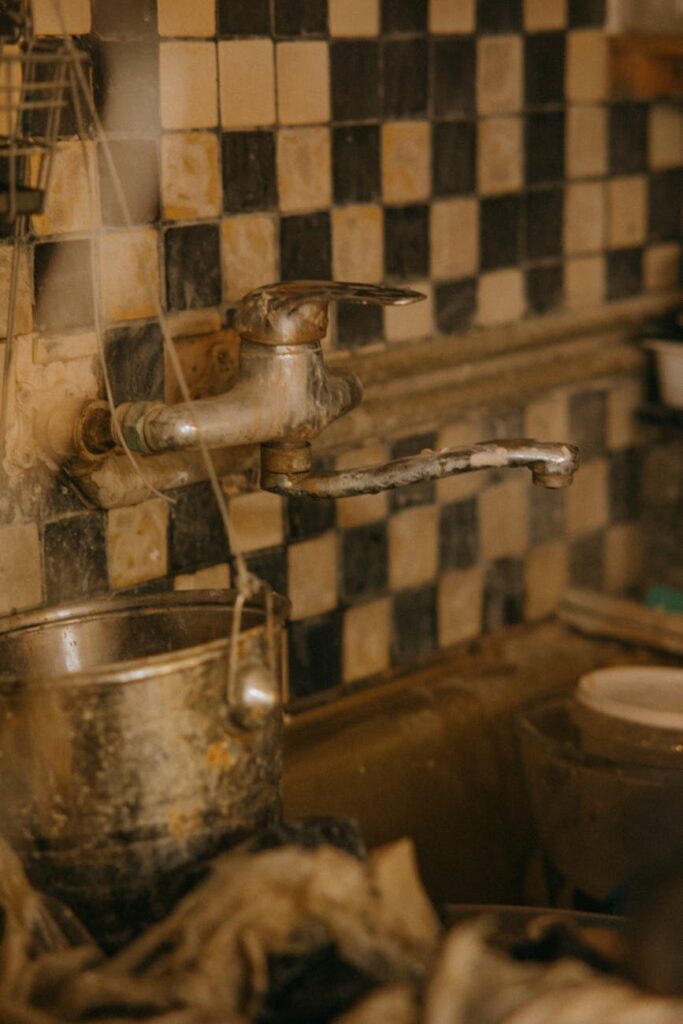
Sink Drain Mold Appliances Guide Part 1
Introduction
Sink drain mold is a common issue that can affect the performance and hygiene of your kitchen and bathroom appliances. When mold takes hold in your sink drain, it can lead to unpleasant odors, clogged pipes, and even health concerns. This guide will help you understand what causes mold to develop in your sink drains and provide practical, actionable steps to fix and prevent it.
What Causes Appliances?
Mold thrives in damp, warm environments, making sink drains the perfect breeding ground. Several factors contribute to the growth of mold in this area:
1. Moisture: Constant exposure to water creates an ideal environment for mold.
2. Organic Matter: Food particles, hair, and soap scum provide nutrients for mold to flourish.
3. Poor Ventilation: Lack of airflow around the sink can trap humidity, encouraging mold growth.
4. Temperature: Warm conditions, especially in humid climates, support mold development.
Understanding these causes can help you address the root of the problem.
Why This Problem Happens
Mold can develop in sink drains for several reasons:
- Clogs: Blockages in the drain can trap water and organic debris, creating a perfect habitat for mold.
- Neglect: Regular cleaning is necessary to prevent the build-up of materials that promote mold growth.
- Old or Damaged Pipes: Cracked pipes can leak water, increasing moisture levels around the sink.
- Infrequent Use: Sinks that are not used often can become stagnant, allowing mold to settle.
- Rubber gloves
- A mask (optional)
- Baking soda
- White vinegar
- A scrub brush or old toothbrush
- Hot water
- A bucket
- Ignoring Regular Maintenance: Skipping regular cleaning can lead to persistent mold issues. Establish a cleaning routine.
- Overusing Chemicals: Using too many harsh chemicals can create harmful reactions and damage your pipes. Stick to natural methods whenever possible.
- Neglecting Other Areas: Mold can spread from drains to other appliance parts. Regularly clean surrounding areas to prevent cross-contamination.
- Not Fixing Leaks: Failing to address leaks can lead to increased moisture. Repair any leaks promptly to prevent mold growth.
By recognizing these issues, you can proactively manage your sink drain to minimize mold growth.
How to Fix Appliances (Step-by-Step)
If you discover mold in your sink drain, follow these steps to clean it effectively:
Step 1: Gather Your Supplies
You will need:
Step 2: Safety First
Put on rubber gloves to protect your hands from mold and cleaning agents. If you’re sensitive to odors or chemicals, consider wearing a mask.
Step 3: Remove Visible Debris
Use a sponge or cloth to wipe away any visible debris around the sink and drain area. This helps reduce the amount of organic matter that mold can feed on.
Step 4: Pour Baking Soda
Sprinkle a generous amount of baking soda down the drain. This natural cleaner will help absorb odors and break down any stubborn grime.
Step 5: Add Vinegar
Follow the baking soda with a cup of white vinegar. The combination will create a fizzing reaction that helps dislodge mold and debris.
Step 6: Wait and Rinse
Let the mixture sit for about 15-30 minutes. Afterward, flush the drain with hot water to wash away the loosened mold and particles.
Step 7: Scrub the Drain
For stubborn mold, use a scrub brush or old toothbrush to scrub the drain’s interior. Pay attention to the edges and any areas that may have accumulated buildup.
Step 8: Rinse Again
Rinse the drain thoroughly with hot water to ensure all baking soda, vinegar, and mold are washed away.
Best Cleaning Methods
To keep sink drains mold-free, consider these effective cleaning methods:
1. Baking Soda and Vinegar: This natural duo is effective for regular maintenance. Use it once a month to prevent mold buildup.
2. Hydrogen Peroxide: A solution of hydrogen peroxide can kill mold spores. Apply it directly to the affected area and let it sit before rinsing.
3. Commercial Drain Cleaners: If natural methods fail, a store-bought cleaner can tackle tough mold. Always follow the manufacturer’s instructions and ensure proper ventilation when using these products.
4. Hot Water Flush: Regularly flushing your drain with hot water can help keep it clear of debris.
Common Mistakes to Avoid
When dealing with sink drain mold, keep these pitfalls in mind:
Prevention Tips
To keep mold at bay, implement these preventative measures:
1. Regular Cleaning: Clean your sink drains once a month using baking soda and vinegar.
2. Dry the Sink: Wipe down the sink after each use to reduce moisture.
3. Install a Drain Strainer: This will catch food particles and debris, minimizing organic matter in the drain.
4. Improve Ventilation: Ensure that the area around your sink is well-ventilated. Open windows or use fans to reduce humidity.
5. Use Hot Water: After washing dishes or using the sink, run hot water through the drain to help flush out debris.
6. Check for Leaks: Regularly inspect your plumbing for leaks and repair them promptly.
Frequently Asked Questions
1. How often should I clean my sink drain to prevent mold?
Cleaning your sink drain once a month is recommended to keep mold at bay.
2. Can I use bleach to clean mold in my sink drain?
While bleach can kill mold, it may not be effective in completely removing it from pipes. Stick to natural methods like baking soda and vinegar.
3. What should I do if mold keeps coming back?
If mold persists, you may need to check for plumbing issues such as leaks or clogs that require professional help.
4. Are there specific signs that indicate mold growth in my sink drain?
Signs include unpleasant odors, visible black or green spots around the drain, or slow drainage.
5. Can mold in my sink drain affect my health?
Mold can cause allergic reactions and respiratory issues in some individuals. It’s best to address any mold growth promptly.
6. Is it safe to use commercial drain cleaners regularly?
While effective, overusing commercial cleaners can harm your plumbing. Use them sparingly and opt for natural solutions for routine maintenance.
By following this guide, you can effectively manage sink drain mold and keep your appliances functioning optimally. Stay proactive, and your cleaning efforts will yield long-lasting results.