
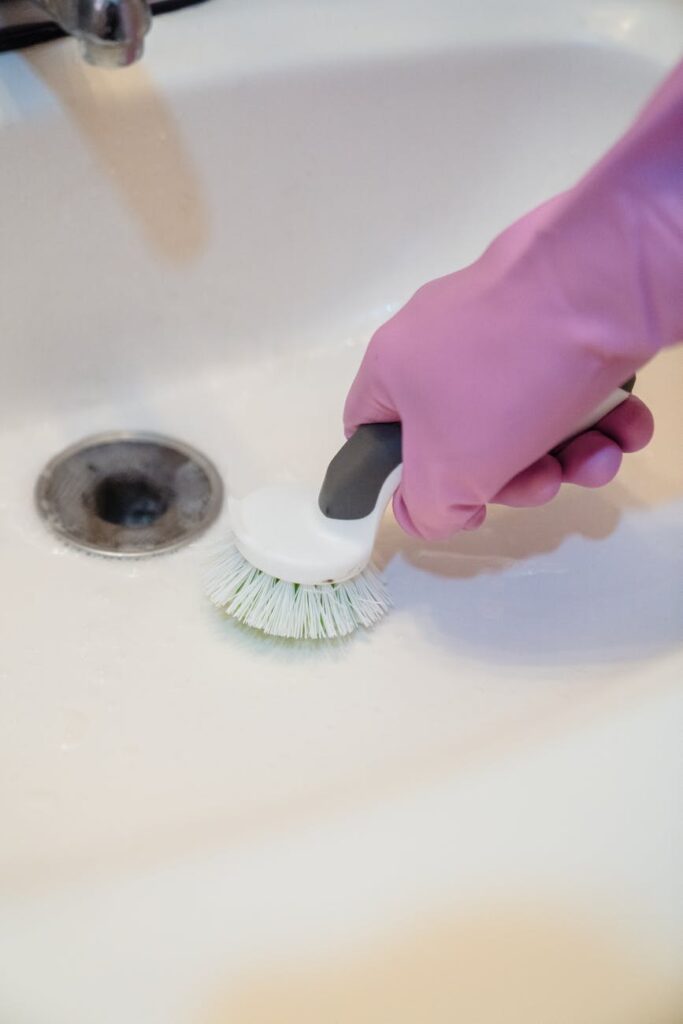
Sink Drain Mildew Odours Guide Part 1
Introduction
If you’ve ever caught a whiff of a musty smell emanating from your sink drain, you’re not alone. Sink drain mildew odours can be a common household nuisance that not only affects your kitchen or bathroom but can also linger throughout your home. Understanding the causes and effective solutions can help you reclaim that fresh, clean environment. This guide will walk you through identifying the problem, fixing it, and preventing it from returning.
What Causes Odours?
Sink drain odours typically arise from a combination of organic matter, moisture, and lack of airflow. Here are the main culprits:
1. Food Residue: Bits of food that get trapped in the drain can decompose, creating a foul smell.
2. Mildew and Mold: The dark, damp environment of a drain is a breeding ground for mildew and mold, which produce unpleasant odours.
3. Standing Water: Water that doesn’t drain properly can become stagnant, leading to a musty smell.
4. Clogged Traps: A clogged P-trap can hold waste and water, causing odours to escape into your home.
Why This Problem Happens
Understanding why mildew odours develop can help you tackle the issue more effectively. Here are some reasons why this problem occurs:
- Poor Drainage: If your sink drain is not functioning properly, water and waste can accumulate, creating an ideal environment for mildew.
- Infrequent Cleaning: Neglecting routine cleaning allows organic matter and bacteria to build up over time.
- Humidity: High humidity levels in your home can exacerbate mildew growth, especially in sinks that are used infrequently.
- Old Pipes: Aging or damaged plumbing can trap waste and moisture, leading to persistent odours.
- Baking soda
- White vinegar
- Hot water
- A plunger
- A drain snake (optional)
- Rubber gloves
How to Fix Odours (Step-by-Step)
If you’re ready to tackle the odours coming from your sink drain, follow this step-by-step guide:
Step 1: Gather Your Supplies
You’ll need:
Step 2: Clear the Area
Remove any items around the sink to give yourself space to work.
Step 3: Flush with Hot Water
Pour a kettle of hot water down the drain to help loosen any debris that may be causing the odour.
Step 4: Use Baking Soda and Vinegar
1. Pour 1 cup of baking soda down the drain.
2. Follow with 1 cup of white vinegar.
3. Allow the mixture to fizz and sit for about 15 minutes.
Step 5: Rinse
After the fizzing stops, flush the drain with another kettle of hot water.
Step 6: Check for Clogs
If the smell persists, use a plunger to try and dislodge any stubborn clogs. If necessary, use a drain snake to remove any blockages further down the line.
Step 7: Final Rinse
Finish with another round of hot water to ensure everything is flowing freely.
Best Cleaning Methods
To keep your sink drain fresh and odour-free, consider these effective cleaning methods:
1. Baking Soda and Vinegar
This natural solution is excellent for regular maintenance. Use it monthly to prevent buildup.
2. Boiling Water
Once a week, pour boiling water down your drain to dissolve grease and food particles.
3. Enzyme Cleaners
These products are designed to break down organic waste. They can be particularly effective for stubborn clogs.
4. Hydrogen Peroxide
A diluted solution can also help eliminate mildew and bacteria. Use it sparingly to avoid damaging pipes.
Common Mistakes to Avoid
1. Ignoring Regular Maintenance: Failing to clean your drain regularly can lead to bigger problems down the road.
2. Using Harsh Chemicals: Many commercial drain cleaners can be damaging to pipes and the environment.
3. Neglecting the P-Trap: Regularly check and clean your P-trap to avoid buildup.
4. Not Addressing Clogs Promptly: If you notice a slow drain, address it immediately before it worsens.
Prevention Tips
Preventing odours from occurring in the first place is the best strategy. Here are some practical tips:
1. Regular Cleaning: Establish a routine for cleaning your sink and drain. Monthly deep cleaning can save you trouble later.
2. Install a Drain Strainer: This will catch food particles and debris before they enter the drain.
3. Run Hot Water: After each use, run hot water down the drain to flush away residues.
4. Reduce Humidity: If your kitchen or bathroom is prone to high humidity, consider using a dehumidifier.
5. Seal Cracks: Check for any cracks or gaps around your sink that may allow moisture to escape.
Frequently Asked Questions
1. How often should I clean my sink drain?
Aim for a monthly deep clean, with weekly maintenance like flushing with hot water.
2. Can I use bleach to clean my sink drain?
While bleach can kill bacteria, it may not effectively remove organic material and can damage pipes. Use it sparingly.
3. What if the smell doesn’t go away after cleaning?
Persistent odours may indicate a deeper clog or plumbing issue. Consider consulting a professional plumber.
4. Is vinegar safe for all types of plumbing?
Yes, vinegar is safe for most plumbing systems, but avoid using it excessively, especially with metal pipes.
5. Why does my sink smell worse after cleaning?
This could be due to dislodging debris that’s stuck further down the drain. Make sure to flush thoroughly afterward.
6. Can I prevent odors with essential oils?
Yes, adding a few drops of essential oils like tea tree or lavender can help mask odours while also offering antibacterial properties.
By tackling the issue of sink drain mildew odours with these practical steps, you can maintain a fresher, cleaner home. Stay tuned for Part 2, where we’ll delve deeper into advanced cleaning techniques and long-term solutions.