
Sink Drain Mildew Laundry Guide Part 1
Introduction
Mildew in your sink drain can lead to unpleasant odors and unsightly stains. It’s particularly frustrating when it finds its way into your laundry, leaving clothes smelling musty. This guide will help you understand the causes of mildew in your sink drain and provide effective steps to eliminate it. By following these practical tips, you can keep your laundry fresh and free from mildew.
What Causes Laundry?
Mildew thrives in damp environments, making your sink drain a prime breeding ground. The common causes include:
- Standing Water: Water pooling in the sink can lead to stagnation, allowing mildew to grow.
- Food Particles: Organic matter left in the drain provides nutrients for mildew.
- Poor Air Circulation: Closed environments trap moisture, increasing humidity.
- Temperature: Warm temperatures accelerate mildew growth.
- Moisture: Mildew requires moisture to thrive. A sink that often remains wet or has slow drainage can create ideal conditions.
- Lack of Cleaning: Infrequent cleaning allows organic matter to accumulate, which promotes mildew growth.
- Blocked Drains: Debris can block drainage systems, leading to standing water.
- Humidity: High humidity levels in your home can contribute to mildew in drains.
- Baking soda
- White vinegar
- Boiling water
- A stiff brush or old toothbrush
- Rubber gloves
- A bucket
- Baking Soda and Vinegar: As outlined above, this duo is excellent for regular maintenance.
- Bleach Solution: For tough mildew, a diluted bleach solution (1 part bleach to 10 parts water) can be effective. Use sparingly, as bleach can damage pipes if overused.
- Commercial Drain Cleaners: These can provide quick relief but should be used according to the manufacturer’s instructions. Always ensure good ventilation when using chemical cleaners.
- Ignoring Regular Maintenance: Failing to clean your sink drain regularly can lead to severe mildew issues.
- Using Too Much Bleach: Overusing bleach can harm your plumbing and create toxic fumes.
- Neglecting Other Areas: Mildew can also grow in other parts of your laundry area. Regularly check for moisture in surrounding areas.
- Not Rinsing Thoroughly: Leaving cleaning agents in the drain can lead to build-up and further issues.
- Dry Your Sink: After each use, wipe down the sink to remove excess moisture.
- Run Hot Water Regularly: A quick rinse with hot water can help clear out debris and prevent buildup.
- Use a Drain Cover: A cover can help catch debris and reduce the amount of organic matter that enters the drain.
- Check for Leaks: Regularly inspect your plumbing for leaks, which can contribute to excess moisture.
Why This Problem Happens
Understanding why mildew develops can help you take necessary precautions. Here are the key factors:
How to Fix Laundry (Step-by-Step)
Follow these steps to effectively eliminate mildew from your sink drain:
Step 1: Gather Your Supplies
You’ll need:
Step 2: Clear Any Obstructions
Remove any visible debris from the sink drain. Use your hands (wear gloves) or a small tool to help clear out food particles or hair.
Step 3: Pour Baking Soda
Sprinkle about half a cup of baking soda directly into the drain. This will help absorb moisture and neutralize odors.
Step 4: Add Vinegar
Slowly pour half a cup of white vinegar into the drain after the baking soda. You’ll notice fizzing, which means the chemical reaction is working to break down mildew.
Step 5: Wait
Let the mixture sit for at least 15 minutes. This time allows the baking soda and vinegar to penetrate and lift the mildew.
Step 6: Flush with Boiling Water
Carefully pour boiling water down the drain to flush away the mixture and any loosened mildew. This step is crucial for clearing the drain.
Step 7: Scrub the Drain
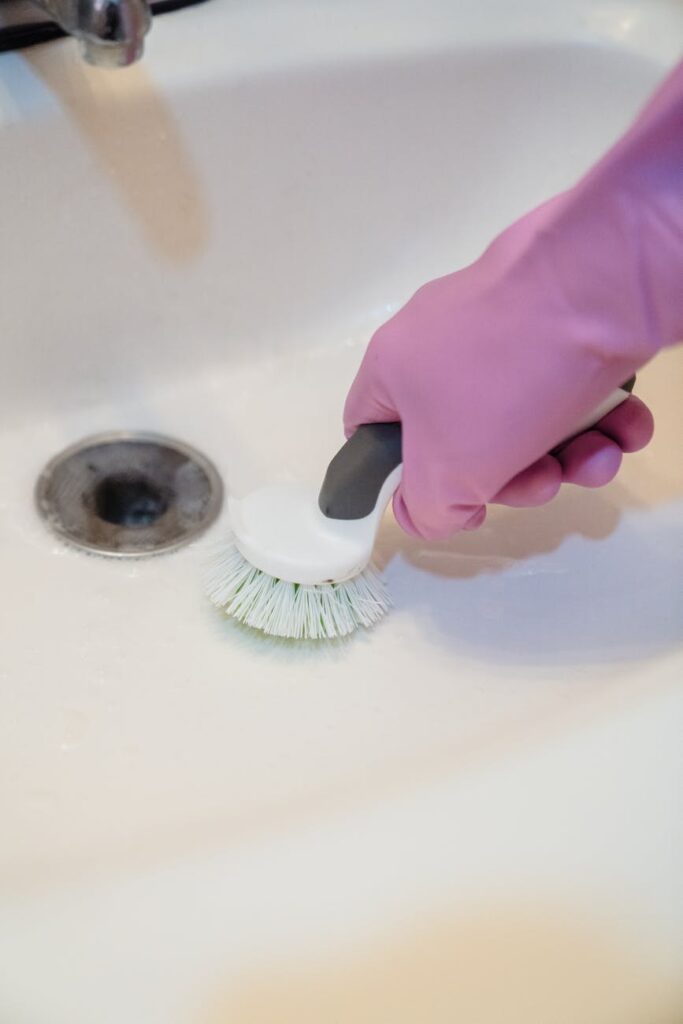
Use a stiff brush or old toothbrush to scrub around the drain opening. This will help remove any remaining mildew and buildup.
Step 8: Rinse
Run hot water down the drain for a few minutes to ensure all residues are washed away.
Best Cleaning Methods
Several methods can keep mildew at bay:
Common Mistakes to Avoid
Avoid these common pitfalls while cleaning your sink drain:
Prevention Tips
Keeping mildew at bay is easier than dealing with it once it has taken hold. Here are some preventive measures:
Frequently Asked Questions
1. How often should I clean my sink drain to prevent mildew?
Aim to clean your sink drain at least once a month to prevent mildew buildup.
2. Can I use essential oils to combat mildew?
Yes, certain essential oils like tea tree or lavender have natural antifungal properties. Add a few drops to your cleaning solution for added effectiveness.
3. Is it safe to use baking soda and vinegar together regularly?
Yes, using baking soda and vinegar is safe and effective for regular cleaning. Just ensure you flush with hot water afterward.
4. What if the mildew problem persists?
If mildew continues to be a problem, consider consulting a plumber to check for deeper drainage issues.
5. Can mildew affect my laundry?
Yes, mildew can transfer to clothes, causing them to smell musty. It’s essential to keep your laundry area clean and dry.
6. Are there any commercial products that specifically target mildew?
Yes, there are several commercial mildew removers available. Look for products specifically labeled for use in drains and follow the instructions carefully.
By following these steps and tips, you can effectively tackle sink drain mildew and keep your laundry fresh. Stay vigilant with maintenance, and you’ll enjoy a cleaner and healthier home.