
Sink Drain Mildew Kitchen Guide Part 1
Introduction
Mildew in your kitchen sink drain can be an unsightly and unpleasant problem. Not only does it produce a foul odor, but it can also pose a risk to your home’s cleanliness. This guide will provide you with everything you need to know to tackle sink drain mildew effectively. From understanding the causes to practical cleaning solutions, you’ll be equipped to eliminate this nuisance and prevent it from returning.
What Causes Kitchen Sink Drain Mildew?
Mildew thrives in damp, warm environments, making kitchen sinks a prime target. Here are the main culprits:
1. Moisture: Water pooling in the sink or drain creates a breeding ground for mildew.
2. Food Particles: Leftover food can build up in the drain, providing nourishment for mildew.
3. Poor Ventilation: Insufficient airflow around the sink can increase humidity levels.
4. Standing Water: Clogged drains or slow drainage can lead to stagnant water, which mildew loves.
Why This Problem Happens
Understanding the factors contributing to sink drain mildew can help you address the issue more effectively. Here are a few reasons why mildew becomes a problem:
- Neglected Cleaning: Regular cleaning is essential. If you skip cleaning the sink and drain, mildew will have a chance to develop.
- Infrequent Use: Sinks that are not used daily may not dry out properly, encouraging mildew growth.
- Lack of Drain Maintenance: Failing to maintain your drains can lead to clogs and moisture retention.
- Rubber gloves
- A soft scrub brush or toothbrush
- Baking soda
- White vinegar
- Lemon juice
- Hot water
- Cleaning cloths
- Neglecting to Scrub: Simply pouring solutions down the drain isn’t enough. Always scrub to remove mildew effectively.
- Using Harsh Chemicals: Stay away from bleach and other harsh chemicals that can damage your plumbing.
- Skipping Regular Maintenance: Cleaning your sink and drain monthly can help prevent mildew from forming in the first place.
How to Fix Kitchen Sink Drain Mildew (Step-by-Step)
Cleaning mildew from your kitchen sink drain might seem daunting, but it’s a straightforward process. Here’s how to do it:
Step 1: Gather Your Supplies
You’ll need:
Step 2: Remove Visible Debris
Start by removing any food particles or debris from the sink and drain. Use a paper towel or cloth to wipe down the surface and ensure there’s no residue left.
Step 3: Apply Baking Soda
Sprinkle a generous amount of baking soda directly into the sink and drain. Baking soda is a natural deodorizer and will help absorb moisture.
Step 4: Pour Vinegar
Follow the baking soda with a cup of white vinegar. The combination will create a fizzing reaction that helps break down mildew and grime.
Step 5: Wait and Scrub
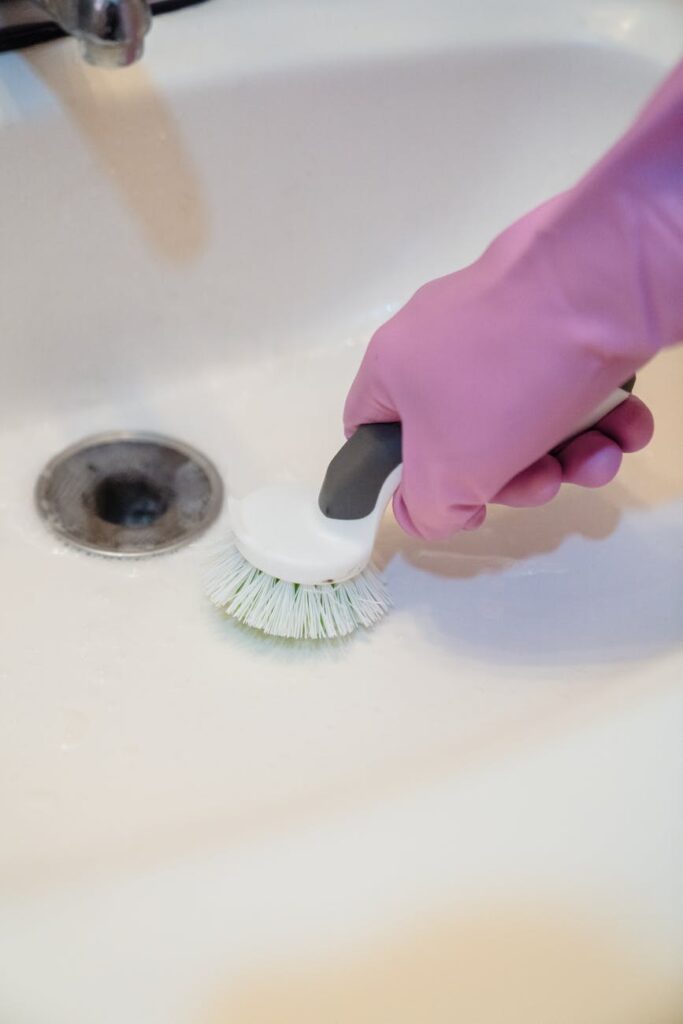
Allow the mixture to sit for about 15-20 minutes. Afterward, use your scrub brush or toothbrush to scrub the drain and sink thoroughly, focusing on any areas with visible mildew.
Step 6: Rinse with Hot Water
Pour hot water down the drain to flush out the baking soda and vinegar solution, along with any loosened mildew and debris.
Step 7: Dry the Area
Use a cleaning cloth to wipe down the sink and ensure it is dry. This step is crucial in preventing future mildew growth.
Best Cleaning Methods
Besides the baking soda and vinegar method, here are additional effective cleaning techniques:
1. Lemon Juice
Lemon juice has natural antibacterial properties. Pour half a cup of lemon juice down the drain to help eliminate odors and mildew.
2. Borax
Borax is a powerful cleaner. Sprinkle half a cup of borax into the drain, followed by boiling water. Let it sit for 30 minutes before rinsing.
3. Hydrogen Peroxide
Mix equal parts hydrogen peroxide and water in a spray bottle. Spray the affected areas, let it sit for 10 minutes, and then scrub.
Common Mistakes to Avoid
Avoid these pitfalls to ensure effective cleaning:
Prevention Tips
Taking a few simple precautions can save you from future mildew problems:
1. Regular Cleaning: Clean your sink and drain weekly using the methods outlined above.
2. Run Hot Water: After each use, run hot water down the drain to keep it clear and dry.
3. Use a Drain Strainer: This will catch food particles and prevent them from accumulating in the drain.
4. Improve Ventilation: Ensure your kitchen is well-ventilated to reduce humidity levels.
5. Avoid Overloading the Sink: Do not allow food scraps to build up; rinse dishes promptly after use.
Frequently Asked Questions
1. How often should I clean my sink drain?
It’s ideal to clean your sink drain at least once a month to prevent mildew buildup.
2. Can I use bleach to clean mildew in my sink?
While bleach may kill mildew, it can also damage your plumbing over time. Stick to natural cleaners like vinegar and baking soda.
3. What should I do if mildew keeps coming back?
If mildew keeps returning, check for clogs or slow drainage. You may need to consult a plumber for deeper issues.
4. Are there any specific times of year when mildew is worse?
Humidity tends to be higher in summer and spring, leading to more mildew growth. Take extra precautions during these seasons.
5. Can I prevent mildew without chemical cleaners?
Absolutely! Regular cleaning with natural ingredients like baking soda, vinegar, and lemon juice is effective.
6. What if I have a garbage disposal?
If you have a garbage disposal, run it regularly and clean it with ice cubes and citrus peels to help eliminate odors and prevent mildew.
By following this guide, you’ll be well on your way to a mildew-free kitchen sink. Stay proactive about cleaning, and you’ll keep this common issue at bay.