
Sink Drain Mildew Cleaning Guide Part 1
Introduction
Mildew in your sink drain is more than just an eyesore; it can lead to unpleasant odors and even plumbing issues if left unaddressed. This guide will provide you with practical steps to clean and maintain your sink drain, ensuring a fresher and healthier home environment.
What Causes Mildew in Sink Drains?
Mildew thrives in damp, dark environments, making your sink drain the perfect breeding ground. The primary causes include:
- Moisture: Water that lingers in the drain creates a habitat for mildew.
- Food Particles: Scraps left behind after washing dishes can contribute to mildew growth.
- Lack of Airflow: Stagnant air in the plumbing system can trap moisture and promote mildew.
- Temperature Fluctuations: Warm, humid conditions are ideal for mildew.
- Baking soda
- White vinegar
- A scrub brush or old toothbrush
- Boiling water
- Rubber gloves
- A bucket or container
Why This Problem Happens
Understanding why mildew forms in your sink drain can help you tackle the issue effectively. Here are several contributing factors:
1. Poor Drainage: Slow-draining sinks can lead to water pooling, increasing moisture levels.
2. Neglected Cleaning: Regular cleaning habits often overlook the drain itself, allowing mildew to develop.
3. Old Pipes: Aging plumbing can harbor mold spores and lead to moisture buildup.
4. High Humidity: Homes with higher humidity levels are more prone to mildew growth.
Identifying these factors can help you prevent and combat the problem effectively.
How to Fix Mildew in Sink Drains (Step-by-Step)
Cleaning mildew from your sink drain requires a systematic approach. Here’s how to do it:
Step 1: Gather Your Supplies
You’ll need:
Step 2: Clear the Area
Remove any items around the sink that could get wet or dirty during cleaning.
Step 3: Remove Visible Mildew
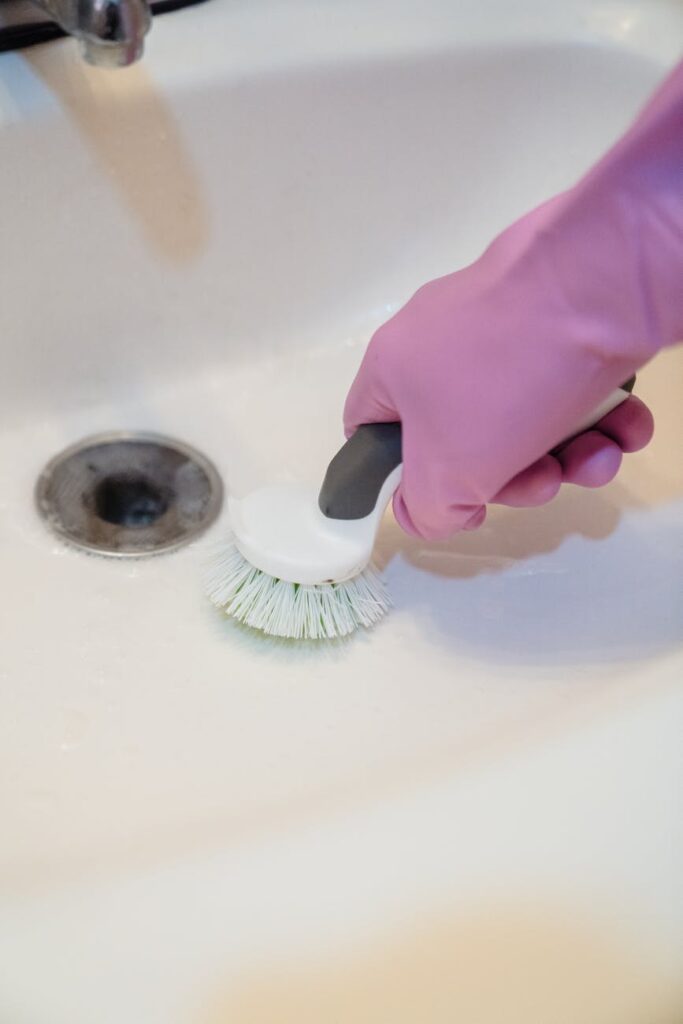
Put on rubber gloves and use a scrub brush to clean the visible parts of the drain. Focus on the rubber stopper and any exposed pipes.
Step 4: Pour Baking Soda
Add 1 cup of baking soda directly into the drain. This helps absorb moisture and neutralize odors.
Step 5: Add Vinegar
Follow the baking soda with 1 cup of white vinegar. The reaction between these two will help lift mildew and debris.
Step 6: Let it Sit
Allow the mixture to sit for about 15-30 minutes. This gives it time to work on the mildew.
Step 7: Flush with Boiling Water
Carefully pour boiling water down the drain to rinse away the baking soda and vinegar mixture, along with any dislodged mildew.
Step 8: Scrub Again
If any mildew remains, use your scrub brush to tackle it once more.
Step 9: Rinse Thoroughly
Run hot water from the faucet to ensure all residues are washed away.
Best Cleaning Methods
While the baking soda and vinegar method is effective, there are other strategies you can use:
1. Commercial Drain Cleaners
Use a reputable drain cleaner that specifically targets mildew and mold. Always follow the manufacturer’s instructions.
2. Hydrogen Peroxide
Pouring hydrogen peroxide down the drain can kill mildew spores. Use it in the same manner as vinegar.
3. Enzyme Cleaners
These products break down organic material in drains. They are safe for plumbing and effective against mildew.
Common Mistakes to Avoid
1. Using Harsh Chemicals: Strong chemicals can damage pipes and cause health issues. Opt for natural or mild solutions.
2. Ignoring the Trap: Don’t forget to clean the P-trap (the curved pipe under your sink) where mildew can accumulate.
3. Failing to Rinse: Always rinse the drain thoroughly after using any cleaning solution. Residues can attract more mildew.
4. Not Cleaning Regularly: Make drain cleaning a part of your regular cleaning routine to prevent mildew buildup.
5. Neglecting Maintenance: Regularly check for clogs and slow drainage to prevent moisture accumulation.
Prevention Tips
Preventing mildew from returning is key to maintaining a clean sink drain. Here are simple tips to follow:
1. Run Hot Water: After each use, run hot water down the drain to help flush out any food particles and moisture.
2. Use a Drain Strainer: Catch food particles before they enter the drain by using a strainer.
3. Dry the Sink: After washing dishes, dry the sink with a towel to minimize moisture.
4. Regular Cleaning: Incorporate drain cleaning into your weekly cleaning routine.
5. Monitor Humidity: Use a dehumidifier in areas with high humidity, especially during the summer months.
Frequently Asked Questions
1. How often should I clean my sink drain?
Aim to clean your sink drain at least once a month to prevent mildew buildup.
2. Can I use bleach to clean my drain?
While bleach can kill mildew, it can also damage pipes and create harmful fumes. Opt for safer alternatives like vinegar or baking soda.
3. What if my drain is still slow after cleaning?
If cleaning doesn’t resolve slow drainage, you may have a clog deeper in the plumbing that may require professional help.
4. Is mildew harmful to my health?
While mildew can cause discomfort, it typically poses minimal risk. However, it’s best to remove it to maintain a healthy environment.
5. Can I prevent mildew without using chemicals?
Yes, using natural cleaning methods like baking soda and vinegar, along with regular maintenance, can effectively prevent mildew without harsh chemicals.
6. What should I do if I have recurring mildew problems?
If mildew keeps returning, consider checking for plumbing issues, improving ventilation, and maintaining lower humidity levels.
By following this comprehensive cleaning guide, you can effectively tackle sink drain mildew and keep your kitchen fresh and inviting. Prevention and maintenance are key, so make these practices a regular part of your home cleaning routine.