
Sink Drain Mildew Bathroom Guide Part 1
Introduction
Mildew in your bathroom sink drain can be an unsightly and unpleasant problem. Not only is it a nuisance, but it can also lead to more significant plumbing issues if left untreated. This guide will help you understand the causes of sink drain mildew, how to fix it effectively, and tips to prevent its recurrence.
What Causes Bathroom Sink Drain Mildew?
Mildew thrives in damp, warm environments, making the bathroom an ideal breeding ground. Here are the main factors that contribute to mildew growth in your sink drain:
1. Moisture: Constant exposure to water from washing hands or brushing teeth creates a humid environment.
2. Organic Matter: Food particles, hair, and soap residue can accumulate in drains, providing a food source for mildew.
3. Poor Ventilation: Bathrooms that lack proper airflow retain moisture, exacerbating the problem.
4. Temperature Fluctuations: Warm temperatures encourage mildew growth, especially in enclosed spaces.
Why This Problem Happens
Understanding why mildew forms in your sink drain is crucial for effective prevention and removal. Here are the contributing factors:
- Accumulation of Debris: Over time, hair, soap scum, and other debris can clog the drain, creating a perfect habitat for mildew.
- Infrequent Cleaning: Neglecting regular cleaning routines allows mildew to establish itself.
- Inadequate Drainage: If your drain is slow or clogged, stagnant water provides an ideal environment for mildew to proliferate.
- Rubber gloves
- A mask (optional)
- Baking soda
- White vinegar
- A scrub brush or old toothbrush
- Boiling water
- A drain snake (if necessary)
How to Fix Bathroom Sink Drain Mildew (Step-by-Step)
Step 1: Gather Your Materials
You’ll need the following:
Step 2: Clear the Area
Remove any items from around the sink to prevent damage and allow for easy access to the drain.
Step 3: Remove Visible Mildew
1. Wear Gloves: Protect your skin from cleaning agents.
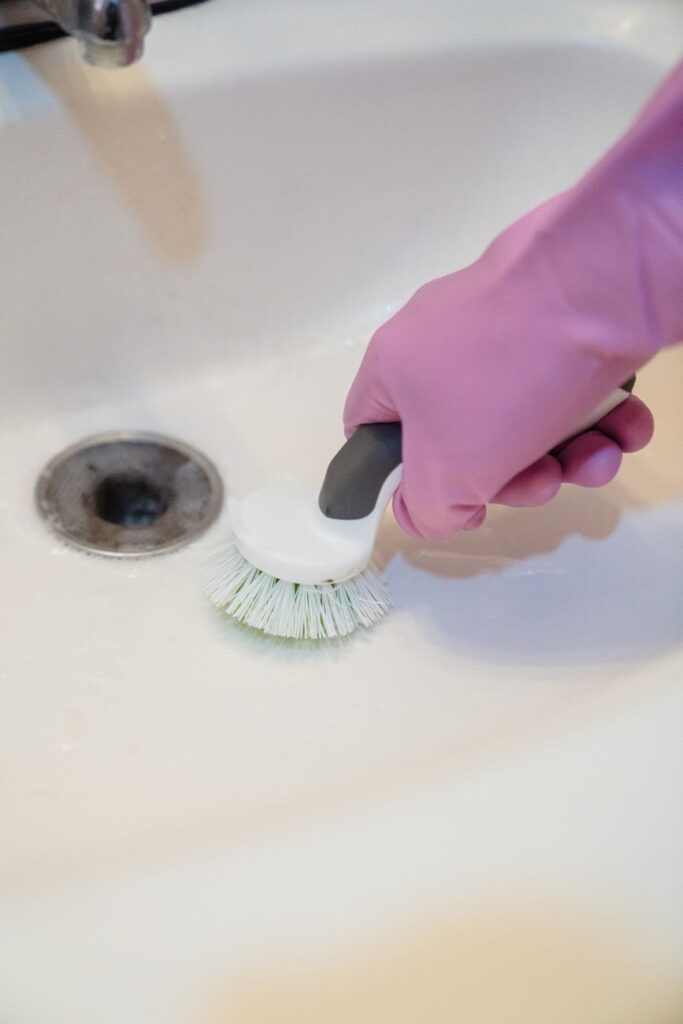
2. Scrub the Drain: Use a scrub brush or an old toothbrush to remove visible mildew around the drain.
Step 4: Use Baking Soda and Vinegar
1. Pour Baking Soda: Add 1/2 cup of baking soda directly into the drain.
2. Add Vinegar: Follow with 1/2 cup of white vinegar. You’ll see fizzing – this reaction helps break down mildew and debris.
3. Let it Sit: Allow the mixture to sit for 30 minutes.
Step 5: Flush with Boiling Water
1. Boil Water: Bring a kettle of water to a boil.
2. Pour Down the Drain: Carefully pour the boiling water into the drain to clear any remaining debris and kill mildew.
Step 6: Check for Clogs
If the drain remains slow after cleaning, use a drain snake to remove any clogs. Follow the manufacturer’s instructions for best results.
Step 7: Rinse and Dry
After cleaning, rinse the area with cold water and dry thoroughly to prevent moisture buildup.
Best Cleaning Methods
1. Baking Soda and Vinegar: This natural method is effective for breaking down mildew and odor.
2. Commercial Cleaners: If natural methods fail, consider using a commercial mildew remover. Always follow the manufacturer’s instructions.
3. Hydrogen Peroxide: A 3% solution can be poured down the drain to kill mildew spores.
4. Bleach: As a last resort, a diluted bleach solution can be used, but ensure proper ventilation and avoid mixing with other cleaners.
Common Mistakes to Avoid
1. Ignoring the Problem: Delaying action can worsen mildew growth and lead to plumbing issues.
2. Using Too Much Cleaner: Excessive use of cleaning products can lead to buildup, worsening the problem.
3. Neglecting Other Areas: Don’t just focus on the drain; clean the sink, faucet, and surrounding areas regularly to prevent mildew.
4. Inconsistent Cleaning: A one-time deep clean won’t suffice; establish a regular cleaning schedule.
Prevention Tips
1. Regular Cleaning: Clean your sink and drain weekly with baking soda and vinegar to prevent mildew.
2. Improve Ventilation: Use an exhaust fan or open a window to reduce humidity.
3. Wipe Down Surfaces: After using the sink, wipe down wet surfaces to minimize moisture.
4. Keep Drains Clear: Use a drain cover to catch hair and debris, preventing clogs.
5. Use Antimicrobial Products: Consider using cleaning products with antibacterial properties for added protection.
Frequently Asked Questions
1. How often should I clean my sink drain?
Cleaning your sink drain once a week is ideal to prevent mildew buildup.
2. Can I use bleach to remove mildew?
Yes, but it should be used as a last resort. Always dilute bleach and ensure proper ventilation.
3. What if the mildew keeps coming back?
If mildew returns frequently, check for hidden leaks or poor drainage that may need professional attention.
4. Are there natural alternatives to commercial cleaners?
Yes, baking soda and vinegar are effective natural alternatives for cleaning mildew.
5. How can I tell if my drain is clogged?
Signs of a clogged drain include slow drainage, gurgling sounds, and unpleasant odors.
6. Is mildew harmful to my health?
While mildew itself is not dangerous, it can lead to allergies and respiratory issues in sensitive individuals. Regular cleaning helps mitigate these risks.
By following this guide, you can effectively combat sink drain mildew in your bathroom. With consistent care and preventive measures, you’ll maintain a clean and healthy bathroom environment.