
Sink Drain Mildew Appliances Guide Part 1
Introduction
Mildew in sink drains is a common nuisance that can lead to unpleasant odors and potential plumbing issues. Understanding how to tackle this problem effectively is essential for maintaining a clean and functional home. This guide will walk you through the causes of mildew in sink drains, how to fix it, and preventive measures to keep your kitchen and bathroom clean.
What Causes Appliances?
Mildew thrives in damp, dark environments, which makes sink drains an ideal breeding ground. The accumulation of food particles, soap scum, and moisture creates an environment conducive to mildew growth. Here are some key factors contributing to this issue:
- Organic Matter: Bits of food, grease, and soap can accumulate in your drain.
- Moisture: Consistent exposure to water creates a perfect habitat for mildew.
- Poor Ventilation: Lack of airflow in under-sink cabinets can exacerbate mildew growth.
- Baking soda
- White vinegar
- Boiling water
- A scrub brush or old toothbrush
- Rubber gloves
- A bucket or large bowl
- Enzymatic Cleaners: These cleaners break down organic matter and can be found at most stores. Follow the manufacturer’s instructions.
- Bleach Solution: If mildew is particularly stubborn, a diluted bleach solution can be effective. Mix one part bleach with ten parts water, apply, and scrub. Rinse thoroughly afterward.
- Hydrogen Peroxide: This is a natural alternative to bleach. Apply it directly to the affected area and let it sit before rinsing.
Why This Problem Happens
Understanding why mildew develops in your sink drains is crucial for effective cleaning. Here are the primary reasons:
1. Clogged Drains: When debris collects, it not only slows drainage but also provides a nutrient source for mildew.
2. Temperature Fluctuations: Warm temperatures combined with moisture can accelerate mildew growth.
3. Neglect: Regular cleaning is essential. If drains are not cleaned regularly, mildew will naturally accumulate over time.
How to Fix Appliances (Step-by-Step)
Cleaning mildew from your sink drain requires a systematic approach. Follow these steps to eliminate mildew effectively:
Step 1: Gather Your Supplies
Step 2: Clear the Area
Remove any items under the sink to provide easy access to the drain and prevent clutter.
Step 3: Remove Visible Debris
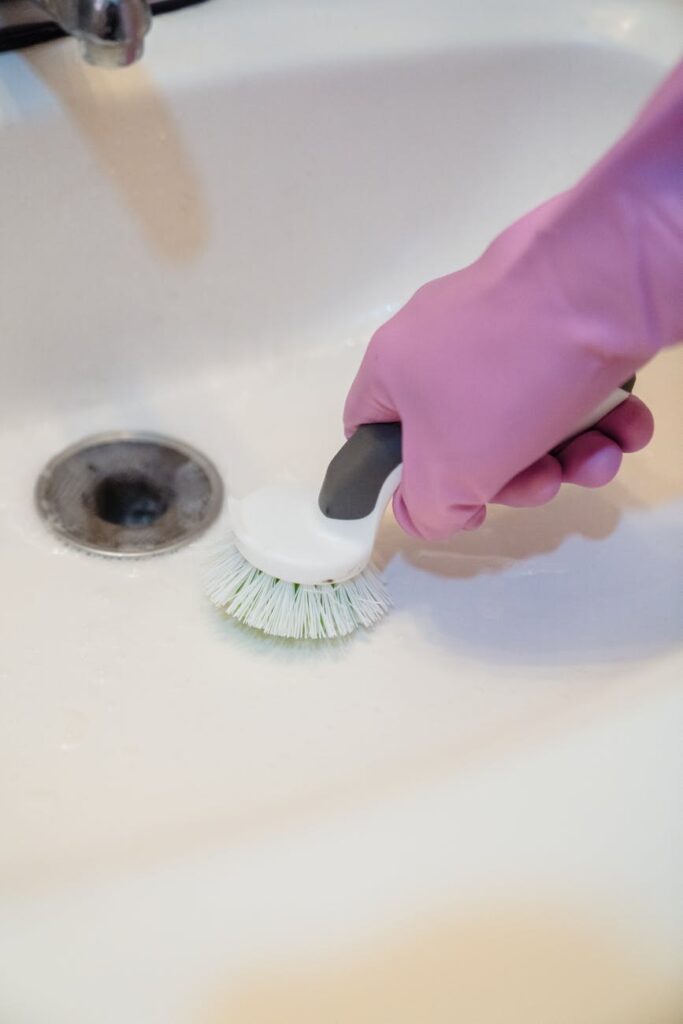
Using your scrub brush, remove any visible debris from the drain area. This step is crucial for effective cleaning.
Step 4: Pour Baking Soda
Add about half a cup of baking soda directly into the drain. The baking soda will help absorb moisture and neutralize odors.
Step 5: Add Vinegar
Follow the baking soda with half a cup of white vinegar. You will notice bubbling; this reaction helps break down mildew and debris.
Step 6: Let it Sit
Allow the mixture to sit for about 30 minutes. This waiting period lets the solution penetrate and work on mildew buildup.
Step 7: Flush with Boiling Water
Carefully pour boiling water down the drain to rinse away the baking soda and vinegar mixture along with the loosened mildew.
Step 8: Scrub Again
After flushing, use your scrub brush one more time to ensure all residue is removed.
Step 9: Rinse Thoroughly
Finish by rinsing the area with warm water to ensure everything is clean.
Best Cleaning Methods
In addition to the baking soda and vinegar method, consider these effective cleaning methods:
Common Mistakes to Avoid
Avoid these common pitfalls when cleaning sink drain mildew:
1. Using Too Much Water: Excessive water can cause more mildew growth by saturating the area.
2. Neglecting Regular Maintenance: Skipping regular cleaning will lead to recurring problems.
3. Ignoring Other Areas: Don’t forget to clean the sink itself and surrounding areas, as mildew can spread.
4. Using Harsh Chemicals: Some products can damage plumbing materials; always check compatibility.
5. Not Wearing Gloves: Protect your skin when using cleaning agents to avoid irritation.
Prevention Tips
Taking preventive measures can significantly reduce the likelihood of mildew growth:
1. Regular Cleaning: Clean your sink and drains weekly to keep organic matter at bay.
2. Use Drain Screens: Install screens to catch food particles before they enter the drain.
3. Dry After Use: Wipe down the sink and surrounding areas to remove moisture.
4. Improve Ventilation: Keep under-sink areas well-ventilated to reduce humidity.
5. Use Hot Water: Run hot water through your sink regularly to help dissolve any buildup.
Frequently Asked Questions
1. How often should I clean my sink drain?
You should clean your sink drain at least once a week to prevent mildew and buildup.
2. Can I use vinegar and baking soda together for other cleaning tasks?
Yes, this combination is effective for various cleaning tasks, including unclogging drains and deodorizing surfaces.
3. Is it safe to use bleach in kitchen sinks?
While bleach can be effective, it should be used cautiously and thoroughly rinsed away to prevent chemical residues.
4. What if the mildew keeps coming back?
If mildew continues to return, you may have a clog or drainage issue that requires professional attention.
5. Are there any natural alternatives to chemical cleaners?
Yes, baking soda, vinegar, and hydrogen peroxide are excellent natural cleaning agents.
6. Can I prevent mildew without cleaning?
While some preventive measures can help, regular cleaning is the best approach to avoid mildew buildup.
—
By understanding the causes of sink drain mildew and following these practical steps, you can maintain a cleaner, fresher home. Stay tuned for Part 2, where we’ll cover advanced cleaning techniques and solutions for persistent mildew issues.