
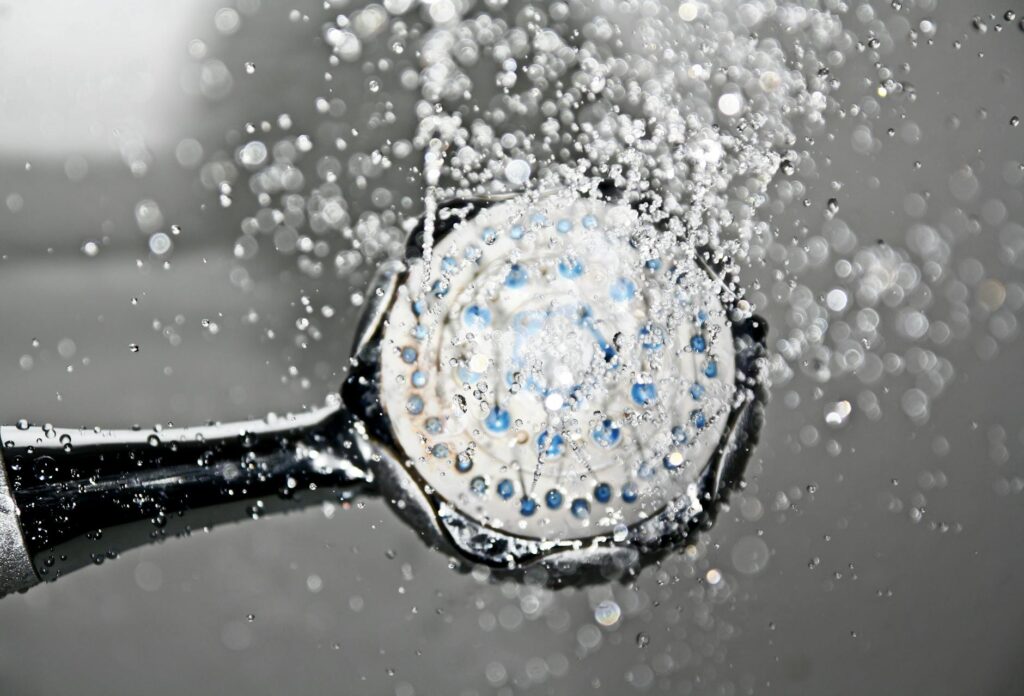
Showerhead Mineral Buildup Kitchen Guide Part 1
Introduction
A clean kitchen is essential for any home, and often the showerhead can be an overlooked component of cleanliness. Mineral buildup on your kitchen’s showerhead can lead to poor water flow and unsightly stains. This guide will help you understand the causes of mineral buildup, how to fix it, and ways to prevent it from happening again.
What Causes Kitchen Showerhead Mineral Buildup?
Mineral buildup occurs when hard water deposits, primarily calcium and magnesium, accumulate over time. The showerhead, especially in kitchens, is regularly exposed to water, making it a prime target for these deposits. Factors contributing to mineral buildup include:
- Hard water: Water that contains high levels of minerals.
- Poor water flow: Low flow can lead to stagnant water and increased buildup.
- Temperature changes: Heating water can cause minerals to precipitate out.
- White vinegar or a descaling solution
- A plastic bag
- A rubber band or string
- An old toothbrush or soft brush
- A microfiber cloth
Why This Problem Happens
Understanding the reasons behind mineral buildup can help you address it effectively.
1. Hard Water: If you live in an area with hard water, the higher mineral content leads to faster buildup. The minerals settle in your showerhead, restricting water flow.
2. Neglect: Regular cleaning is often overlooked, allowing deposits to accumulate over time.
3. Water Temperature: Hot water can carry more minerals, which can deposit more quickly in cooler areas, like the showerhead.
4. Old Fixtures: Older showerheads may have more nooks and crannies for buildup to occur.
How to Fix Kitchen Showerhead Mineral Buildup (Step-by-Step)
Cleaning your showerhead doesn’t have to be complicated. Follow these simple steps:
Step 1: Gather Your Supplies
You’ll need:
Step 2: Prepare the Showerhead
1. Turn Off Water: Make sure to turn off the water supply to the showerhead.
2. Remove the Showerhead (if possible): This gives you more access. Use a wrench if necessary, but be careful not to damage the fixture.
Step 3: Soak the Showerhead
1. Fill the Bag: Pour enough white vinegar or descaling solution into a plastic bag to submerge the showerhead.
2. Attach the Bag: Slip the bag over the showerhead and secure it with a rubber band or string.
3. Let It Soak: Allow it to soak for at least 30 minutes. For heavy buildup, consider soaking it for a few hours or even overnight.
Step 4: Scrub the Showerhead
1. Remove the Bag: After soaking, take off the bag and dispose of the solution.
2. Scrub with a Brush: Use an old toothbrush to scrub any remaining mineral deposits. Pay special attention to the nozzles and edges.
3. Rinse Thoroughly: Run water through the showerhead to flush out any loosened debris.
Step 5: Reinstall and Test
1. Reattach the Showerhead: If you removed it, carefully put it back in place.
2. Turn On Water: Check for water flow and ensure all minerals are cleared.
Best Cleaning Methods
While the vinegar method is effective, other options exist:
1. Baking Soda & Vinegar: Create a paste with baking soda and vinegar for extra scrubbing power. Apply it to the showerhead, let it sit for 15 minutes, then scrub and rinse.
2. Commercial Descalers: If natural solutions aren’t cutting it, consider a commercial descaler specifically designed for mineral buildup.
3. Lemon Juice: The citric acid in lemon juice can effectively break down mineral deposits. Soak the showerhead in lemon juice for a similar effect as vinegar.
Common Mistakes to Avoid
1. Not Soaking Long Enough: Quick cleaning may not remove stubborn buildup. Always allow sufficient soak time.
2. Using Abrasive Tools: Avoid steel wool or harsh scrubbing pads that can scratch the surface of your showerhead.
3. Ignoring Regular Maintenance: Failing to check and clean your showerhead regularly leads to more significant buildup issues.
4. Using the Wrong Cleaning Solutions: Some cleaners can be too harsh for certain materials. Always check compatibility with your showerhead.
Prevention Tips
1. Regular Cleaning: Make it a habit to clean your showerhead at least once a month to prevent significant buildup.
2. Install a Water Softener: If hard water is an ongoing issue, consider installing a water softener for your home.
3. Use a Filter: Attach a filter to your kitchen faucet to help reduce mineral content in your water supply.
4. Check for Leaks: Leaks can contribute to stagnant water, which can lead to more buildup. Regularly inspect your showerhead and plumbing.
Frequently Asked Questions
1. How often should I clean my kitchen showerhead?
Aim for once a month to keep mineral buildup at bay.
2. Can I use bleach to clean my showerhead?
No, bleach can damage your showerhead and is not effective against mineral deposits.
3. Will mineral buildup affect water pressure?
Yes, buildup can restrict water flow, leading to decreased pressure.
4. Is it better to soak overnight?
For heavy buildup, soaking overnight can be more effective than a shorter duration.
5. What if my showerhead is still clogged after cleaning?
If your showerhead is still clogged, consider disassembling it for a deeper clean or replacing it entirely.
6. Are there specific materials that are more prone to mineral buildup?
Yes, older metal fixtures may accumulate more deposits compared to newer models made from plastic or specialized materials.
By following this guide, you can effectively tackle mineral buildup on your kitchen showerhead, ensuring a clean and functional fixture in your home. Regular maintenance and prevention strategies will keep this problem at bay for the long term.