
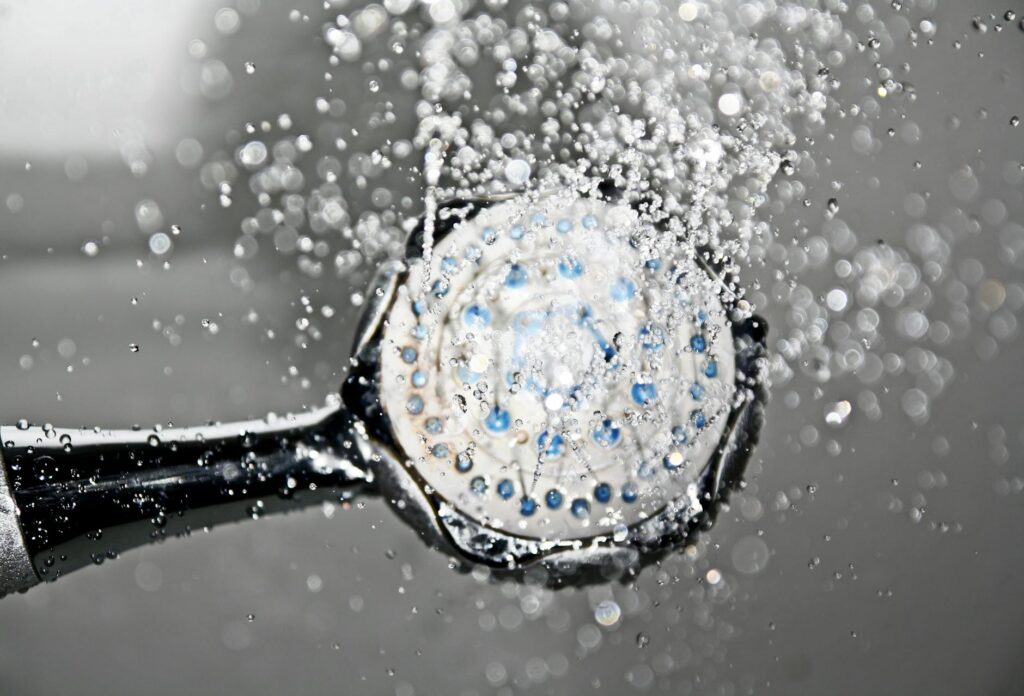
Showerhead Mineral Buildup Bathroom Guide Part 1
Introduction
If you’ve noticed a decrease in water flow or unsightly white spots on your showerhead, you’re likely dealing with mineral buildup. This common issue can impact your shower experience and even lead to more significant plumbing problems if left untreated. In this guide, we’ll delve into the causes of mineral buildup, how to fix it, and ways to prevent it in the future.
What Causes Bathroom Mineral Buildup?
Mineral buildup typically occurs due to hard water. Hard water contains high levels of minerals, particularly calcium and magnesium. When water evaporates, these minerals are left behind, accumulating over time. This can clog the nozzles of your showerhead, resulting in reduced water flow and pressure. Various factors contribute to the severity of mineral buildup:
- Water Source: Municipal water supplies often have varying hardness levels.
- Water Temperature: Hot water can exacerbate mineral deposits.
- Usage: Frequent use without regular cleaning leads to more buildup.
- Evaporation: As water evaporates, it leaves behind minerals that crystallize and form deposits.
- Static Charge: Some surfaces attract minerals more than others, leading to quicker accumulation.
- Neglect: Regular cleaning can help, but if you don’t maintain your showerhead, buildup can occur rapidly.
- White vinegar or lemon juice
- A plastic bag
- Rubber bands or string
- A soft brush (like an old toothbrush)
- A cloth or sponge
- Water
- Carefully place the bag over the showerhead, ensuring the showerhead is submerged in the solution.
- Secure the bag with a rubber band or string to keep it in place.
- Mix: Combine equal parts baking soda and vinegar in a bowl.
- Apply: Use a soft brush to apply the mixture to the showerhead.
- Scrub: Let it sit for 10-15 minutes before rinsing.
Why This Problem Happens
Understanding why mineral buildup occurs is key to effective cleaning. The primary reasons include:
How to Fix Bathroom Mineral Buildup (Step-by-Step)
Cleaning a showerhead to remove mineral buildup is straightforward. Here’s a step-by-step guide:
Step 1: Gather Your Supplies
You’ll need:
Step 2: Prepare the Vinegar Solution
Fill a plastic bag with enough white vinegar or lemon juice to submerge the showerhead. These acids help dissolve mineral deposits.
Step 3: Attach the Bag
Step 4: Soak
Leave the showerhead to soak for at least 30 minutes. For heavy buildup, consider soaking for up to an hour.
Step 5: Scrub the Showerhead
After soaking, remove the bag and use a soft brush to scrub the nozzles. Pay attention to any stubborn spots.
Step 6: Rinse Thoroughly
Turn on the shower to rinse away the vinegar or lemon juice and dissolved minerals. Check for any remaining buildup.
Step 7: Wipe Down
Use a cloth or sponge to wipe down the showerhead, ensuring it’s clean and shiny.
Best Cleaning Methods
While the vinegar method is effective, there are other cleaning methods to consider:
Baking Soda and Vinegar
Commercial Cleaners
If natural methods aren’t effective, consider a commercial descaler. Follow the instructions on the product label for the best results.
Boiling Water
If your showerhead is removable, boil water and dip it into the hot water for a few minutes. This can help loosen mineral deposits.
Common Mistakes to Avoid
When tackling mineral buildup, avoid these common mistakes:
Ignoring Regular Maintenance
Don’t wait until the problem is severe. Regular cleaning will prevent buildup from becoming unmanageable.
Using Abrasive Materials
Avoid using steel wool or harsh scrubbers, as they can scratch and damage the showerhead surface.
Not Rinsing Properly
Always ensure the showerhead is thoroughly rinsed to remove any cleaning solution residues.
Prevention Tips
Preventing mineral buildup is easier than dealing with it. Here are some effective strategies:
Install a Water Softener
If hard water is a consistent problem, consider installing a water softener to reduce mineral content.
Regular Cleaning
Make it a habit to clean your showerhead every month. A simple soak in vinegar can prevent buildup before it starts.
Use a Shower Filter
Shower filters can reduce mineral content and help maintain water quality. They can be a worthwhile investment for your home.
Wipe Down After Use
Consider wiping down the showerhead with a soft cloth after each use to minimize water spots.
Frequently Asked Questions
1. How often should I clean my showerhead?
It’s advisable to clean your showerhead every month to prevent mineral buildup.
2. Can I use bleach to clean my showerhead?
No, bleach can damage the finish of your showerhead and isn’t effective against mineral buildup.
3. What if my showerhead is still clogged after cleaning?
If mineral buildup persists, consider soaking it for longer or using a commercial descaler.
4. Are there specific showerhead materials that are more prone to buildup?
Yes, metal showerheads may accumulate minerals faster than plastic ones due to their surface texture.
5. Can I prevent mineral buildup completely?
While it’s challenging to prevent buildup entirely, using a softener and regular cleaning can greatly minimize it.
6. Is mineral buildup harmful to my plumbing?
While not immediately harmful, persistent mineral buildup can lead to decreased water flow and pressure, potentially causing plumbing issues over time.
By following these steps and tips, you can effectively tackle and prevent mineral buildup in your bathroom. Regular maintenance and the right cleaning methods will ensure your showerhead remains in optimal condition, enhancing your shower experience.