
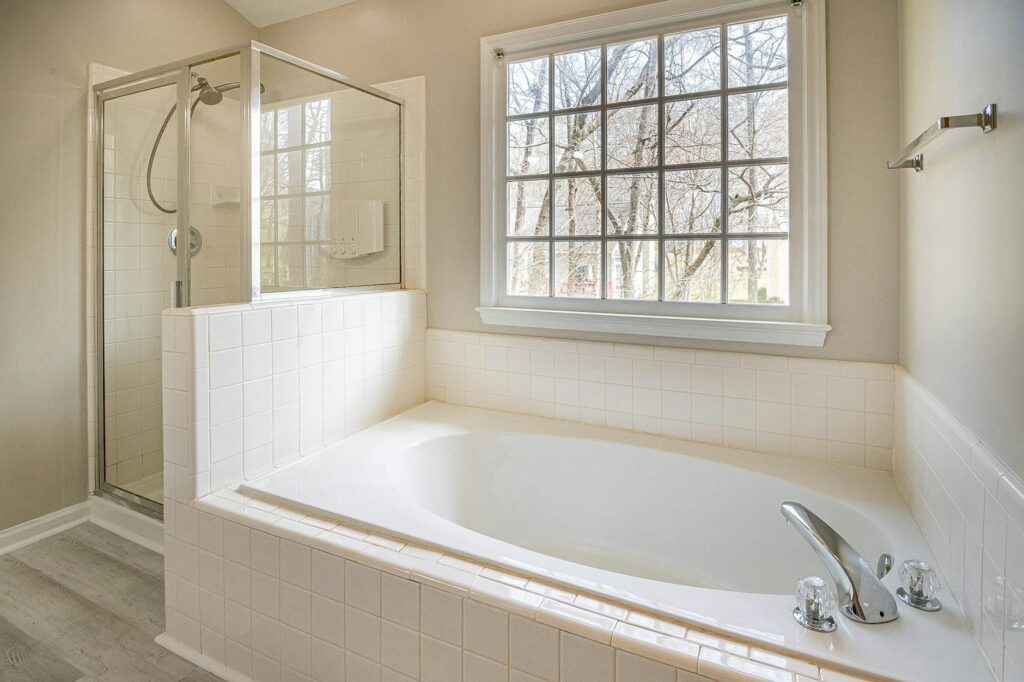
Shower Tile Stains Odours Guide Part 1
Introduction
Dealing with unpleasant odours in your shower can be frustrating. Not only can they ruin your bathing experience, but they can also indicate underlying cleanliness issues. This guide will break down the causes of these odours, why they occur, and provide step-by-step solutions to eliminate them effectively.
What Causes Odours?
Shower tile odours can stem from various sources:
1. Mold and Mildew: These fungi thrive in damp environments, often leaving a musty smell.
2. Soap Scum and Residue: Accumulation of soap and body oils can create a breeding ground for bacteria, leading to foul smells.
3. Hard Water: Minerals from hard water can leave deposits that contribute to odours.
4. Dirty Grout: Grout can absorb moisture and bacteria, leading to unpleasant smells.
5. Clogged Drains: A buildup in your drain can create stagnant water, leading to foul odours.
Why This Problem Happens
Understanding why these odours occur can help you address them effectively. The shower environment is inherently moist, making it a perfect habitat for mold, mildew, and bacteria.
- Humidity: High humidity levels promote the growth of mold and mildew.
- Infrequent Cleaning: Regular cleaning is essential to prevent soap scum and grime buildup.
- Poor Ventilation: Lack of airflow can trap moisture, exacerbating odour issues.
- Water Quality: If your water is hard or contains impurities, it can leave behind residue that fosters bacteria.
- White vinegar
- Baking soda
- Spray bottle
- Scrub brush or sponge
- Old toothbrush (for grout)
- Microfiber cloth
- Rubber gloves
How to Fix Odours (Step-by-Step)
Step 1: Gather Your Supplies
To tackle shower tile odours, you’ll need:
Step 2: Ventilate the Area
Open a window or turn on the bathroom fan to improve airflow. This will help reduce humidity and dry out surfaces.
Step 3: Apply Vinegar
1. Fill a spray bottle with equal parts white vinegar and water.
2. Spray the affected areas of your tiles and grout generously.
3. Let it sit for 10-15 minutes to break down soap scum and kill bacteria.
Step 4: Scrub the Tiles
Using a scrub brush or sponge, scrub the tiles and grout. Focus on areas with visible stains. For grout, use an old toothbrush to reach into crevices.
Step 5: Use Baking Soda
1. After scrubbing, sprinkle baking soda over the damp areas.
2. This will help absorb any remaining odours.
3. Let it sit for another 10-15 minutes.
Step 6: Rinse Thoroughly
Rinse the tiles and grout with warm water. Ensure all vinegar and baking soda residues are washed away.
Step 7: Dry the Area
Use a microfiber cloth to dry the tiles and grout. This step is crucial to prevent the return of moisture and odours.
Best Cleaning Methods
1. Vinegar and Baking Soda
This duo is effective for breaking down soap scum and killing mold. The chemical reaction between vinegar and baking soda helps lift stains.
2. Hydrogen Peroxide
For tougher stains, use hydrogen peroxide. Apply it directly to the stains and let it sit for 30 minutes before scrubbing.
3. Commercial Cleaners
If natural solutions don’t work, consider using a commercial tile cleaner designed for mold and mildew. Always follow the manufacturer’s instructions.
Common Mistakes to Avoid
1. Neglecting Grout: Many homeowners focus only on tiles, forgetting that grout can trap odours and stains.
2. Using Abrasive Cleaners: Avoid harsh chemicals that can damage tiles and grout.
3. Infrequent Cleaning: Skipping regular cleaning allows odours to build up over time.
4. Ignoring Ventilation: Not addressing humidity can lead to recurring odour problems.
Prevention Tips
1. Regular Cleaning: Clean your shower weekly to prevent soap scum and mold buildup.
2. Use a Squeegee: After each shower, use a squeegee to remove excess water from tiles.
3. Improve Ventilation: Use an exhaust fan or keep windows open to reduce humidity.
4. Seal Grout: Apply a grout sealer every 6-12 months to prevent moisture absorption.
5. Check for Leaks: Regularly inspect your pipes and fixtures for leaks that could contribute to moisture buildup.
Frequently Asked Questions
1. How often should I clean my shower to prevent odours?
Aim to clean your shower once a week. This frequency helps prevent soap scum and mold buildup.
2. Can I use bleach to clean my shower tiles?
While bleach can kill mold, it can also damage tiles and grout. It’s best to use gentler methods like vinegar and baking soda.
3. Why does my shower smell even after cleaning?
Persistent odours may be due to clogged drains or underlying plumbing issues. Consider checking your drain for buildup.
4. Is it safe to mix vinegar and baking soda?
Yes, it’s safe to mix them for cleaning purposes. They create a chemical reaction that helps lift stains and odours.
5. What should I do if the odours return?
If odours persist, check for leaks, improve ventilation, and consider a deeper cleaning or professional service.
6. How can I make my shower smell good after cleaning?
Use essential oils in a diffuser or mix a few drops with water in a spray bottle to lightly mist after cleaning for a fresh scent.
By following these steps and tips, you can effectively address and prevent unpleasant odours in your shower. Keep your space clean, fresh, and inviting for every shower experience.