
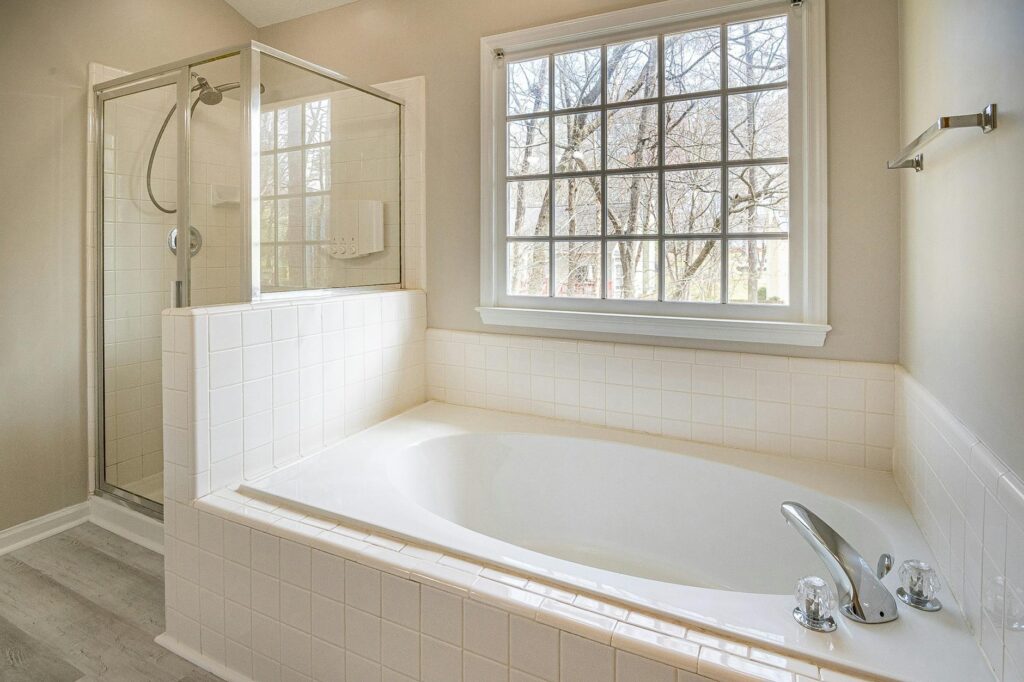
Shower Tile Stains Laundry Guide Part 1
Introduction
Shower tiles can accumulate stubborn stains from soap scum, mold, and mildew, making them look unsightly. This guide will help you understand the causes of these stains, why they occur, and how to effectively remove them. We’ll also cover common mistakes to avoid and preventive measures to keep your shower tiles looking pristine.
What Causes Laundry?
Laundry refers to the process of cleaning textiles, but the term can also apply to the stains that accumulate on shower tiles as a result of poor cleaning habits. The most common culprits include:
1. Soap Scum: A combination of soap residue, hard water minerals, and body oils can create a cloudy film on tiles.
2. Mold and Mildew: The damp environment of a shower is perfect for these fungi to thrive, leading to dark stains.
3. Hard Water: Minerals like calcium and magnesium can leave unsightly deposits on tiles.
4. Body Products: Shampoo, conditioner, and body wash can leave behind residues, especially if not rinsed properly.
Why This Problem Happens
Understanding why stains develop is the first step in preventing them. Here are some key reasons:
- Moisture: Showers are consistently wet environments, promoting the growth of mold and mildew.
- pH Levels: High pH levels in soap can lead to soap scum formation on tiles.
- Infrequent Cleaning: Neglecting regular maintenance allows stains to build up over time.
- Hard Water: If your home has hard water, minerals can crystallize and stick to surfaces, making stains more prominent.
- White vinegar
- Baking soda
- Spray bottle
- Soft-bristle brush or sponge
- Microfiber cloth
- Rubber gloves
How to Fix Laundry (Step-by-Step)
Here’s a straightforward method to remove stains from your shower tiles:
Step 1: Gather Your Supplies
You’ll need:
Step 2: Prepare the Cleaning Solution
1. Vinegar Spray: Fill a spray bottle with equal parts of white vinegar and water. This solution will effectively cut through soap scum and kill mold spores.
2. Baking Soda Paste: In a small bowl, mix baking soda and water to create a paste. This will act as a gentle abrasive to scrub away tough stains.
Step 3: Apply the Vinegar Solution
1. Spray the vinegar solution generously onto the stained areas of the tiles.
2. Let it sit for 10-15 minutes to break down the stains.
Step 4: Scrub the Tiles
1. Using a soft-bristle brush or sponge, gently scrub the tiles in a circular motion.
2. Focus on areas with heavy staining to ensure thorough cleaning.
Step 5: Rinse Thoroughly
1. Rinse the tiles with warm water to remove all cleaning solution and loosened stains.
2. Use a microfiber cloth to dry the tiles, preventing water spots.
Step 6: Apply Baking Soda Paste
1. For persistent stains, apply the baking soda paste directly to the affected areas.
2. Let it sit for an additional 10-15 minutes before scrubbing again with the brush.
Step 7: Final Rinse
1. Rinse the tiles one last time with warm water.
2. Ensure no residue remains, as this can lead to further staining.
Best Cleaning Methods
Different cleaning methods can be effective depending on the type of stain:
1. Vinegar and Baking Soda: The combination is effective for soap scum and mold.
2. Bleach Solution: For severe mold stains, a diluted bleach solution (1 part bleach to 10 parts water) can be used. Ensure proper ventilation and wear gloves.
3. Commercial Tile Cleaners: There are many effective products on the market designed specifically for tile cleaning. Always follow the manufacturer’s instructions.
Common Mistakes to Avoid
1. Using Abrasive Tools: Avoid steel wool or rough scrubbers that can scratch tiles. Stick to soft-bristle brushes.
2. Neglecting Regular Maintenance: Clean your tiles regularly to prevent stains from building up.
3. Using Too Much Product: More cleaner doesn’t always mean better results. Use the recommended amounts.
4. Rinsing Inadequately: Residue from cleaners can lead to new stains, so ensure thorough rinsing.
Prevention Tips
To minimize the occurrence of stains on your shower tiles, consider the following:
1. Ventilation: Keep the bathroom well-ventilated to reduce moisture. Use an exhaust fan or leave a window open.
2. Regular Cleaning: Establish a cleaning routine, ideally once a week, to keep stains at bay.
3. Squeegee After Use: Use a squeegee after each shower to remove excess water and soap residue.
4. Choose the Right Products: Opt for low-residue soaps and shampoos that are less likely to leave stains.
Frequently Asked Questions
1. How often should I clean my shower tiles?
Aim to clean your shower tiles at least once a week to prevent stains from building up.
2. Can I use vinegar on all types of tiles?
While vinegar is safe for many tiles, avoid using it on natural stone surfaces like marble or granite, as it can damage the finish.
3. What’s the best way to remove mold from shower tiles?
A vinegar solution or diluted bleach solution can effectively remove mold. Always wear gloves and ensure proper ventilation when using bleach.
4. Is it necessary to use a commercial cleaner?
While many commercial cleaners are effective, homemade solutions like vinegar and baking soda can be just as efficient for most stains.
5. How can I prevent hard water stains?
Consider installing a water softener to reduce hard water mineral deposits that cause stains.
6. What should I do if stains persist after cleaning?
If stains remain, consider using a stronger commercial cleaner or consult a professional cleaning service for specialized treatments.
By following this guide, you can effectively tackle and prevent shower tile stains, ensuring your bathroom remains clean and inviting. Keep this guide handy for quick reference during your cleaning routine!