
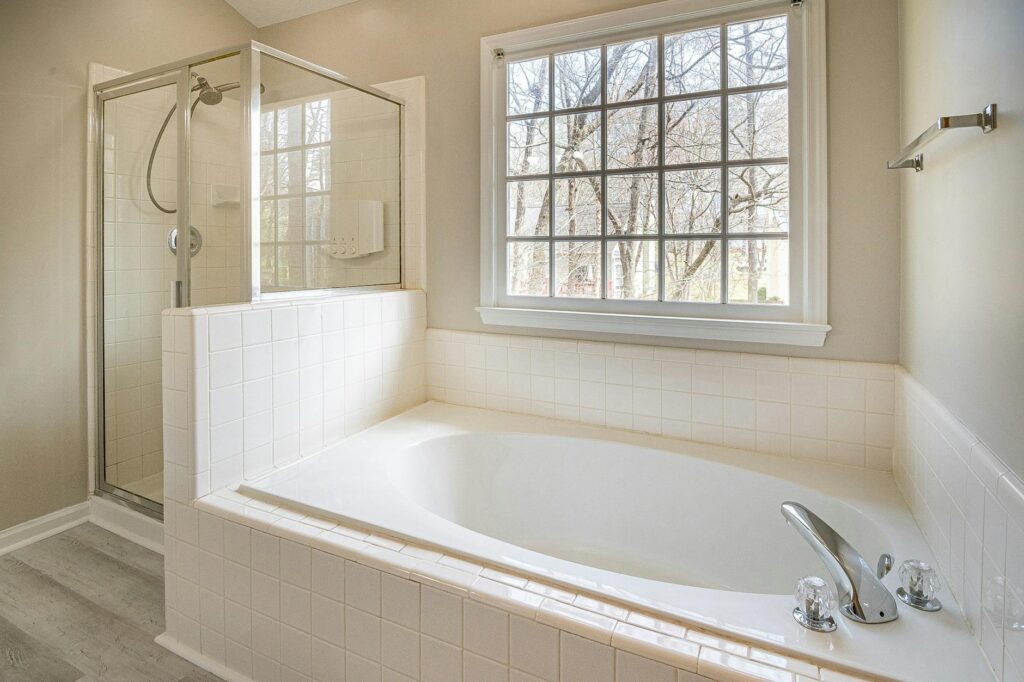
Shower Tile Stains Kitchen Guide Part 1
Introduction
Shower tile stains can be a major annoyance in any kitchen. They not only detract from the overall appearance but can also lead to more significant issues if left untreated. In this guide, we’ll explore the causes of kitchen shower tile stains, provide actionable steps on how to fix them, and offer preventive measures to keep your tiles looking pristine.
What Causes Kitchen Shower Tile Stains?
Kitchen shower tiles can develop stains from various sources:
1. Hard Water: Mineral deposits from hard water can leave unsightly stains on tiles.
2. Soap Scum: Soap residue can accumulate, particularly if used frequently.
3. Mold and Mildew: Kitchens with high humidity can become breeding grounds for mold, which can lead to dark, unsightly stains.
4. Food Splatter: Oils, sauces, and other food residues can leave marks on tiles, especially if not cleaned promptly.
5. Cleaning Products: Some harsh chemicals can cause discoloration over time.
Understanding these causes will help you tackle the problem more effectively.
Why This Problem Happens
The kitchen is often a hub of activity, which means shower tiles can be exposed to a range of stains. High humidity from cooking or cleaning can exacerbate issues like mold growth. Additionally, if proper cleaning routines aren’t established, stains can build up over time, making them harder to remove.
Factors Contributing to Stains:
- Poor Ventilation: A lack of airflow encourages moisture retention, leading to mold and mildew growth.
- Infrequent Cleaning: Neglecting regular cleaning allows stains to set in.
- Improper Cleaning Techniques: Using the wrong products or methods can worsen existing stains.
- Baking soda
- White vinegar
- Spray bottle
- Soft brush or cloth
- Sponge
- Rubber gloves
- Bucket
- Use hydrogen peroxide to treat mold and mildew stains. Apply it directly to the stains, let it sit for 10 minutes, then scrub and rinse.
- Look for a pH-balanced tile cleaner that is safe for your specific tile type. Always follow manufacturer instructions.
- A steam cleaner can effectively remove stubborn stains and kill bacteria without the need for chemicals.
Awareness of these factors can help you improve your cleaning strategy.
How to Fix Kitchen Shower Tile Stains (Step-by-Step)
Removing stains from shower tiles can seem daunting, but it doesn’t have to be. Follow these step-by-step instructions for effective results.
Step 1: Gather Your Supplies
Step 2: Prepare the Cleaning Solution
1. Baking Soda Paste: Mix baking soda with a small amount of water to create a thick paste.
2. Vinegar Spray: Fill a spray bottle with equal parts of white vinegar and water.
Step 3: Apply the Paste
1. Apply the baking soda paste generously over the stained areas.
2. Let it sit for 10–15 minutes to break down the stains.
Step 4: Spray with Vinegar
1. After the paste has set, spray the vinegar solution over the baking soda.
2. You’ll notice fizzing as the two react. This is normal and helps lift the stains.
Step 5: Scrub the Area
1. Using a soft brush or cloth, scrub the stained tiles in circular motions.
2. Pay extra attention to grout lines, as these can trap stains.
Step 6: Rinse and Dry
1. Rinse the area thoroughly with warm water.
2. Wipe down with a sponge to remove any residue.
3. Dry the tiles with a clean cloth to prevent water spots.
Best Cleaning Methods
While the baking soda and vinegar method is effective, there are other cleaning methods you can consider:
1. Hydrogen Peroxide
2. Commercial Tile Cleaners
3. Steam Cleaning
Common Mistakes to Avoid
1. Using Abrasive Cleaners: Avoid scouring pads or harsh chemicals that can scratch or damage tiles.
2. Neglecting Grout: Don’t ignore the grout; it often holds onto stains more than tiles.
3. Skipping Rinsing: Always rinse off cleaning solutions thoroughly to avoid residue build-up.
4. Cleaning Without Gloves: Protect your skin when using cleaning agents, even natural ones.
Prevention Tips
Keeping your kitchen shower tiles stain-free requires consistent maintenance. Here are some practical tips:
1. Regular Cleaning: Establish a weekly cleaning schedule to tackle stains before they set in.
2. Improve Ventilation: Use exhaust fans or open windows to reduce humidity.
3. Use a Squeegee: After showering or cleaning, use a squeegee on tiles to remove excess water.
4. Seal Grout: Consider sealing grout lines to make them more resistant to stains.
Frequently Asked Questions
1. How often should I clean my kitchen shower tiles?
Aim to clean your kitchen shower tiles at least once a week to prevent stains from building up.
2. Can I use bleach to clean shower tiles?
While bleach can kill mold, it can also discolor tiles and grout. It’s best to use gentler solutions like vinegar or hydrogen peroxide.
3. What type of tiles are easiest to clean?
Porcelain and glass tiles are generally easier to clean than natural stone tiles, which may require special care.
4. How do I know if my grout needs sealing?
If water absorbs into the grout rather than beading on top, it’s time to reseal.
5. Are there any natural alternatives to commercial cleaners?
Yes, baking soda, vinegar, and lemon juice are effective natural alternatives for cleaning stains.
6. What should I do if the stains persist?
If stains remain after cleaning, consider consulting a professional cleaning service or exploring specialized cleaning products designed for your tile type.
By following this comprehensive guide, you can effectively tackle shower tile stains in your kitchen, ensuring a clean and inviting space for cooking and entertaining. Stay tuned for Part 2, where we’ll cover more advanced techniques for stubborn stains and deep cleaning strategies!