
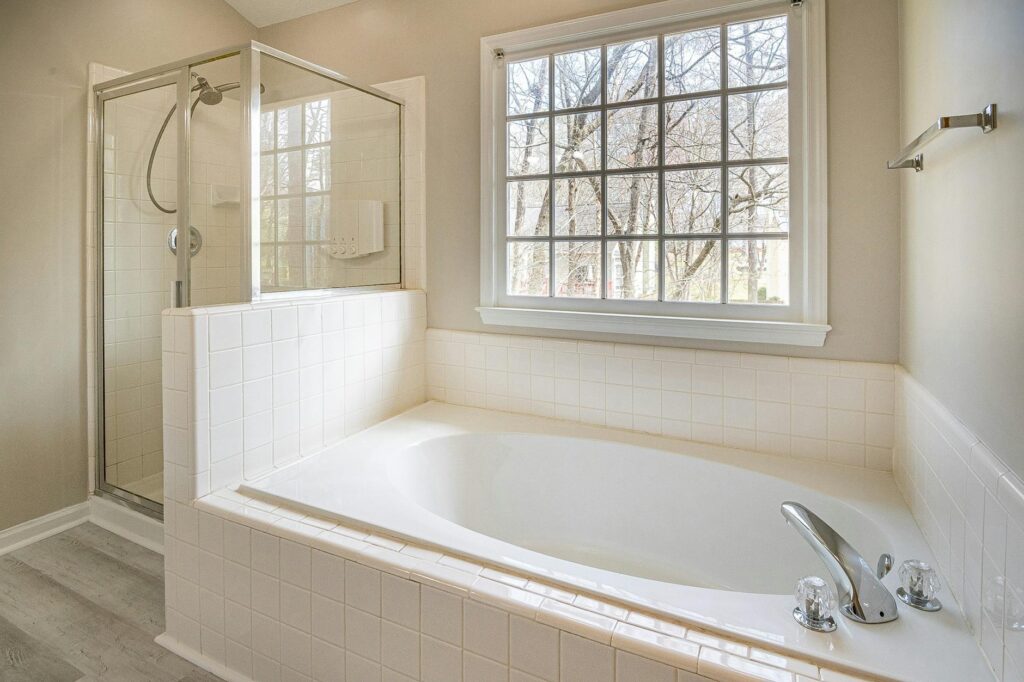
Shower Tile Stains Cleaning Guide Part 1
Introduction
Shower tiles can easily become stained and grimy over time, creating an unsightly appearance that can detract from the overall look of your bathroom. These stains not only make your shower less inviting but can also harbor mold and mildew if left untreated. In this guide, we will explore common causes of shower tile stains, effective cleaning methods, and tips for preventing future stains.
What Causes Shower Tile Stains?
Stains on shower tiles often arise from a combination of factors:
1. Hard Water: Minerals like calcium and magnesium can leave behind deposits, resulting in unsightly stains.
2. Soap Scum: Residue from soaps and shampoos can build up, especially if you’re using products with high fatty acid content.
3. Mold and Mildew: These fungi thrive in damp environments, leading to dark spots and stains.
4. Body Oils: Natural oils from your skin can mix with soap and water, contributing to stains.
5. Dirt and Grime: Everyday dirt can accumulate, especially in corners and grout lines.
Understanding these causes will help you tackle the problem effectively.
Why This Problem Happens
Shower tiles are exposed to moisture and various substances daily. The combination of humidity, soap residues, and body oils creates a perfect breeding ground for stains. Additionally, porous materials, like certain types of ceramic or natural stone, can absorb stains more easily. Over time, if not cleaned regularly, these stains can become ingrained, making them harder to remove.
How to Fix Shower Tile Stains (Step-by-Step)
Step 1: Gather Your Supplies
Before you begin, gather the following cleaning supplies:
- A bucket
- Warm water
- A scrub brush or sponge
- White vinegar
- Baking soda
- Dish soap
- A spray bottle
- A mop or cloth for drying
Step 2: Prepare the Area
Clear out any personal items from your shower. This will give you a clear space to work and prevent items from getting wet or damaged.
Step 3: Create a Cleaning Solution
For general stains, mix equal parts vinegar and warm water in a spray bottle. For tougher stains, create a paste using baking soda and a few drops of dish soap.
Step 4: Apply the Solution
Spray the vinegar solution onto the stained areas and let it sit for about 10-15 minutes. For stubborn stains, apply the baking soda paste directly to the stain and allow it to sit for 20-30 minutes.
Step 5: Scrub the Stains
Using a scrub brush or sponge, scrub the stained areas. Pay special attention to grout lines and corners, where stains often accumulate.
Step 6: Rinse Thoroughly
After scrubbing, rinse the tiles thoroughly with warm water to remove all cleaning solutions and residues.
Step 7: Dry the Area
Wipe down the tiles with a clean cloth or mop to prevent new stains from forming due to lingering moisture.
Best Cleaning Methods
Several effective cleaning methods can help you tackle shower tile stains:
1. Vinegar and Baking Soda: This combination is great for breaking down soap scum and mineral deposits.
2. Commercial Tile Cleaners: If natural methods fail, consider using a commercially available tile cleaner that targets specific types of stains.
3. Steam Cleaning: A steam cleaner can effectively remove dirt, grime, and even mold without harsh chemicals.
4. Hydrogen Peroxide: For mildew stains, applying hydrogen peroxide can help brighten and disinfect the area.
Common Mistakes to Avoid
1. Using Abrasive Cleaners: Avoid using steel wool or harsh scrubbing pads that can scratch tile surfaces.
2. Not Rinsing Thoroughly: Leaving cleaning solutions on tiles can lead to further staining or damage.
3. Ignoring Grout: Failing to clean grout can lead to a build-up of stains and mold, making it harder to clean in the long run.
4. Cleaning Only Occasionally: Regular maintenance is key. Waiting too long between cleanings can allow stains to set in.
Prevention Tips
1. Squeegee After Use: Use a squeegee to remove excess water from tiles after each shower.
2. Regular Cleaning: Incorporate a weekly cleaning routine to prevent build-up.
3. Use Soap-Free Products: Opt for soap-free body washes that reduce soap scum.
4. Install a Water Softener: If hard water is a problem, consider installing a water softener to reduce mineral deposits.
5. Ventilation: Ensure your bathroom is well-ventilated to minimize humidity and mold growth.
Frequently Asked Questions
1. How often should I clean my shower tiles?
Aim to clean your shower tiles at least once a week to prevent build-up and stains.
2. Can I use bleach to clean shower tiles?
While bleach can disinfect, it may not effectively remove stains. Additionally, it can damage grout and should be used cautiously.
3. What’s the best way to clean grout?
A mixture of baking soda and water or vinegar can effectively clean grout. Scrub with a toothbrush for best results.
4. How do I remove mold from shower tiles?
Apply a mixture of vinegar and water or hydrogen peroxide directly to the moldy area, let it sit, then scrub and rinse.
5. Are there any natural alternatives to commercial cleaners?
Yes, vinegar, baking soda, and lemon juice are effective natural alternatives for cleaning shower tiles.
6. What should I do if stains persist after cleaning?
If stains remain, consider consulting a professional cleaner or using a specialized stain remover designed for your tile type.
By following this comprehensive cleaning guide, you can keep your shower tiles looking their best and maintain a clean, inviting bathroom space. Stay tuned for Part 2, where we will dive deeper into specific cleaning products and techniques for stubborn stains!