
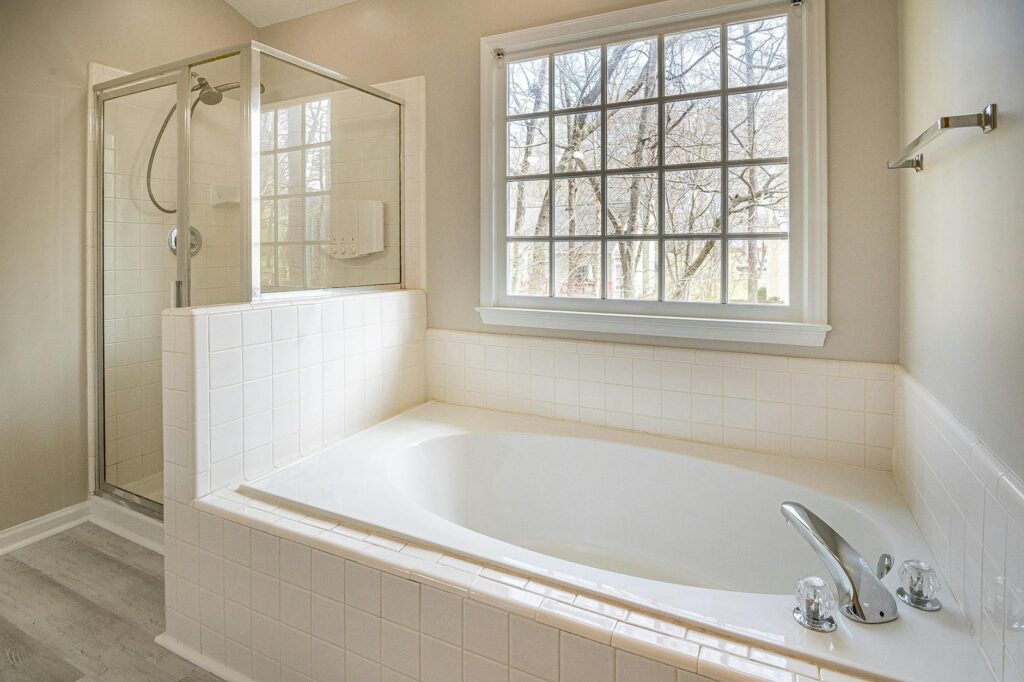
Shower Tile Stains Bathroom Guide Part 1
Introduction
Shower tile stains can be an eyesore, turning your once-pristine bathroom into a dull space. These stains not only affect the aesthetics of your shower but can also lead to long-term damage if left untreated. In this guide, we will explore the causes of shower tile stains, effective cleaning methods, and how to prevent them from returning. Let’s get started!
What Causes Bathroom Stains?
Shower tile stains can arise from various sources, including:
1. Hard Water: Mineral deposits from hard water can leave unsightly stains on tiles and grout.
2. Soap Scum: Over time, soap residue can build up, especially in areas with poor drainage.
3. Mold and Mildew: Excess moisture creates an ideal environment for mold and mildew to thrive, leading to dark spots and staining.
4. Body Oils and Products: Oils from skin and hair products can accumulate, creating a film that attracts dirt and grime.
Understanding these causes helps in selecting the right cleaning approach to tackle the stains effectively.
Why This Problem Happens
The bathroom is a unique environment that promotes the growth of stains. Factors contributing to this include:
1. High Humidity: Bathrooms are often humid, especially after showers, which encourages mold and mildew growth.
2. Infrequent Cleaning: Regular cleaning is crucial. Neglecting the shower for long periods allows stains to become entrenched.
3. Poor Ventilation: Lack of airflow can trap moisture, leading to a buildup of soap scum and mold.
4. Tile Material: Some tiles are more porous than others, making them more susceptible to staining.
Addressing these underlying issues is essential for maintaining a clean shower.
How to Fix Bathroom Stains (Step-by-Step)
Step 1: Gather Your Supplies
Before you begin, gather the necessary supplies:
- White vinegar
- Baking soda
- Scrub brush or sponge
- Spray bottle
- Microfiber cloths
- Grout cleaner (if needed)
- Rubber gloves
Step 2: Prepare the Area
Remove any items from the shower, including toiletries and mats. This ensures you have a clear workspace and prevents any cleaning products from damaging personal items.
Step 3: Apply a Vinegar Solution
1. Create a Vinegar Solution: Fill a spray bottle with equal parts white vinegar and water.
2. Spray Stained Areas: Generously spray the stained tiles and grout.
3. Let it Sit: Allow the solution to sit for 10-15 minutes. This helps to break down mineral deposits and soap scum.
Step 4: Scrub
Using a scrub brush or sponge, scrub the stained areas in circular motions. For tough stains, you may need to apply more vinegar solution and let it sit longer.
Step 5: Rinse Thoroughly
Rinse the tiles with warm water to remove any remaining vinegar and loosened debris. Make sure all cleaning solution is washed away to prevent residue buildup.
Step 6: Deal with Grout Stains
For stubborn grout stains, make a paste using baking soda and water. Apply it directly to the grout lines, let it sit for 10 minutes, then scrub and rinse.
Step 7: Dry the Area
Use a microfiber cloth to dry the tiles and grout completely. This step helps prevent further moisture buildup, which can lead to new stains.
Best Cleaning Methods
1. Vinegar and Baking Soda
A combination of vinegar and baking soda is effective for breaking down mineral deposits and soap scum. The fizzing reaction helps lift stains.
2. Commercial Tile Cleaners
If natural solutions don’t work, consider using a commercial tile cleaner specifically designed for your tile type. Always follow the manufacturer’s instructions.
3. Hydrogen Peroxide for Mold
For mold and mildew, hydrogen peroxide is an excellent option. Spray it on the affected areas, let it sit for a few minutes, then scrub and rinse.
4. Steam Cleaning
For a more thorough clean, consider using a steam cleaner. The high temperature helps sanitize and remove stubborn stains without harsh chemicals.
Common Mistakes to Avoid
1. Using Abrasive Cleaners: Avoid harsh chemicals and abrasive pads that can scratch the tile surface.
2. Not Rinsing Properly: Failing to rinse thoroughly can leave residue, leading to more stains.
3. Neglecting Grout: Grout is porous and can easily trap stains. Regular cleaning is essential.
4. Using Too Much Product: More product doesn’t always mean better cleaning; it can lead to buildup.
Prevention Tips
1. Regular Cleaning: Clean your shower at least once a week to prevent stains from forming.
2. Use a Squeegee: After each use, squeegee the tiles to remove excess water and soap.
3. Improve Ventilation: Use an exhaust fan or open a window to reduce humidity levels.
4. Choose the Right Products: Opt for soap-free cleansers that are less likely to leave residue.
Frequently Asked Questions
1. How often should I clean my shower tiles?
Aim to clean your shower tiles at least once a week to prevent buildup and staining.
2. Can I use bleach to clean my shower?
While bleach can be effective, it should be used cautiously as it may discolor some tile types and can be harmful to breathe in.
3. What’s the best way to remove mold from grout?
Hydrogen peroxide or a commercial mold remover works well. Apply, let sit, scrub gently, and rinse thoroughly.
4. Are there any eco-friendly cleaners I can use?
Yes, vinegar and baking soda are great eco-friendly options for cleaning shower tiles.
5. How can I tell if my tiles are porous?
If water beads on the surface, your tiles are likely non-porous. If water soaks in quickly, they may be porous and require more careful cleaning.
6. What should I do if stains persist?
If stains are persistent, consider hiring a professional cleaning service or using specialized tile and grout restoration products.
By following these guidelines, you can effectively tackle shower tile stains and maintain a clean, inviting bathroom environment. Keep your cleaning routine consistent, and your shower will always look its best!