
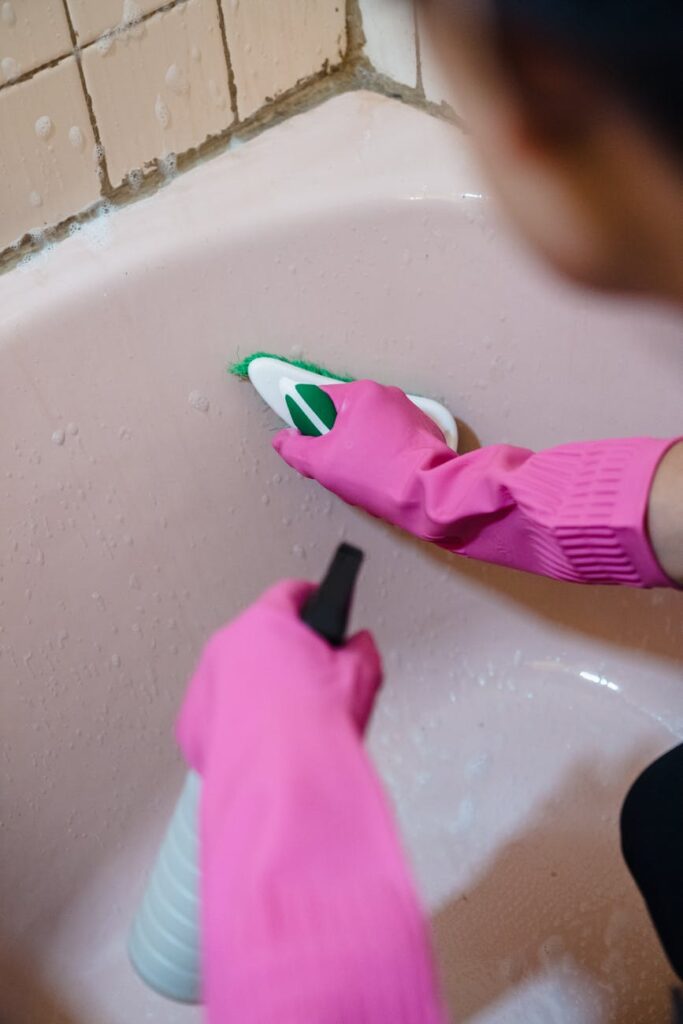
Shower Tile Odor Stains Guide Part 1
Introduction
Shower tiles can often accumulate unsightly stains and odors, creating an uninviting atmosphere in your bathroom. Whether you’re dealing with mold, mildew, or soap scum, understanding how to effectively manage and eliminate these issues is crucial for maintaining a clean, fresh shower space. This guide will provide you with practical solutions to tackle shower tile odor stains, ensuring your bathroom remains a pleasant retreat.
What Causes Stains?
Stains on shower tiles primarily stem from the following factors:
1. Mold and Mildew: These fungi thrive in humid environments. They leave dark stains and can emit a musty odor.
2. Soap Scum: A combination of soap residue and hard water minerals can create a filmy layer that not only looks bad but can also trap odors.
3. Hard Water Deposits: Minerals from hard water can leave behind white or yellow stains on your tiles.
4. Body Oils and Skin Products: Oils from skin and hair products may accumulate over time, leading to discoloration and unpleasant smells.
Why This Problem Happens
The bathroom is a prime environment for stains and odors due to its warm, damp conditions. Showers are frequently used, generating moisture that encourages mold and mildew growth. Furthermore, soap scum and hard water deposits can accumulate if tiles are not cleaned regularly.
Understanding these causes is essential for effective cleaning and prevention.
How to Fix Stains (Step-by-Step)
Step 1: Gather Your Supplies
Before you start, collect the following cleaning supplies:
- Baking soda
- White vinegar
- Dish soap
- Hydrogen peroxide
- Scrub brush or sponge
- Microfiber cloths
- Spray bottle
- Rubber gloves
- Mix one part hydrogen peroxide with two parts water in a spray bottle.
- Combine equal parts vinegar and dish soap.
- Create a paste using baking soda and water.
Step 2: Identify the Stain Type
Different stains require different cleaning methods. Identify whether you’re dealing with mold, soap scum, or hard water deposits.
Step 3: Prepare Cleaning Solutions
For Mold and Mildew:
For Soap Scum:
For Hard Water Deposits:
Step 4: Apply the Solution
1. Mold and Mildew: Spray the affected area and let it sit for 10-15 minutes. Scrub with a brush or sponge and rinse with warm water.
2. Soap Scum: Apply the vinegar and dish soap mixture to the tiles. Allow it to sit for about 10 minutes. Scrub and rinse thoroughly.
3. Hard Water Deposits: Apply the baking soda paste to the stained areas. Let it sit for 5-10 minutes, then scrub and rinse.
Step 5: Dry the Area
After cleaning, use a microfiber cloth to dry the tiles. This step is crucial as it helps prevent future stains and odors.
Best Cleaning Methods
1. Regular Maintenance: Regularly wipe down shower tiles after each use to prevent buildup.
2. Weekly Deep Cleaning: Dedicate one day each week to deep clean your shower. Use the methods outlined above for different types of stains.
3. Use Natural Cleaners: Vinegar and baking soda are effective and safe alternatives to harsh chemicals. They can tackle most types of stains and odors.
4. Steam Cleaning: If available, a steam cleaner can be very effective in eliminating mold and soap scum without chemicals.
Common Mistakes to Avoid
1. Ignoring the Grout: Often, the grout between tiles absorbs stains and odors. Make sure to clean the grout lines as part of your routine.
2. Using Abrasive Cleaners: Avoid harsh chemical cleaners that can damage tile surfaces.
3. Not Rinsing Thoroughly: Residue from cleaning solutions can contribute to odors if not rinsed away completely.
4. Neglecting Ventilation: A damp bathroom encourages mold growth. Ensure proper ventilation by using exhaust fans or opening windows.
Prevention Tips
1. Install a Squeegee: Keep a squeegee in your shower to wipe down tiles after each use.
2. Increase Airflow: Use exhaust fans during and after showers to reduce humidity.
3. Choose the Right Products: Opt for soap products that are less likely to contribute to scum buildup.
4. Seal Grout Lines: Regularly seal grout to make it more resistant to stains and moisture.
5. Use Anti-Mold Products: Consider using mold-resistant paint or tile sealants to prevent future growth.
Frequently Asked Questions
1. How often should I clean my shower tiles?
Aim to clean your shower tiles at least once a week to maintain their appearance and prevent odors.
2. Can I use bleach to clean stains?
While bleach can eliminate mold, it can also discolor some tile surfaces. Use it with caution and ensure proper ventilation.
3. What’s the best way to clean grout?
A mixture of baking soda and water can effectively clean grout. For stubborn stains, consider using a toothbrush to scrub the area gently.
4. How can I remove hard water stains without damaging tiles?
Baking soda and vinegar are effective and gentle options for removing hard water stains.
5. Is it safe to use vinegar on all types of tiles?
Vinegar is safe for most tiles but can damage natural stone. Always check your tile’s material before using vinegar.
6. How do I prevent mold from returning?
Improving ventilation, using mold-resistant products, and regularly cleaning your shower can help prevent mold from returning.
By following these guidelines, you can effectively tackle shower tile odor stains and maintain a clean, fresh bathroom environment. This is the first part of our comprehensive guide; stay tuned for more tips and tricks on keeping your shower in top condition.